DARPA’s AI-Powered Biology Engine
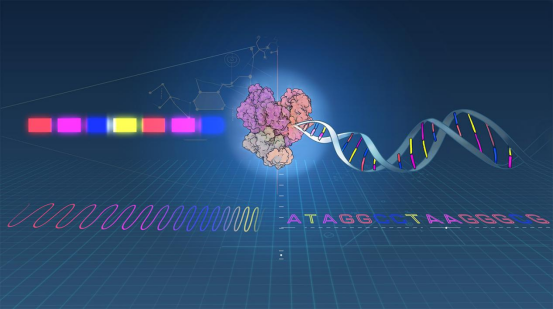
See how DARPA is turning biology into an AI-designed, programmable, and distributed manufacturing platform.
30-Second TL;DR
What Changed
BTO focuses on biological data factories that use AI to learn life-system rules, automate experiments, and predict biological functions.
Why It Matters
BTO’s approach could accelerate the convergence of AI, synthetic biology, neuroscience, and manufacturing. For AI practitioners, it signals growing demand for biological foundation models, automated labs, and reliable systems that connect prediction with physical production.
What To Do Next
Review DARPA BTO’s biological data and RPM programs, then prototype an AI workflow that combines sequence prediction with automated experiment feedback.
Key Points
- •BTO focuses on biological data factories that use AI to learn life-system rules, automate experiments, and predict biological functions.
- •Battlefield programs target rapid diagnostics, biochemical threat detection, trauma care, anesthesia, and safer alertness enhancement under sleep deprivation.
- •Distributed biomanufacturing aims to produce medicines, proteins, and materials on demand in remote locations or near the frontline.
- •Representative programs include brain-computer interfaces, AI-assisted cancer research, RPM protein manufacturing, Ag×BTO, AMPHORA, and Arcadia.
Deep Insight
AI-generated analysis for this event — not the original article.
Enhanced Key Takeaways
- •DARPA's BTO is increasingly leveraging 'Generative Biology' to move beyond descriptive models, aiming to create de novo proteins and genetic circuits that do not exist in nature.
- •The 'Biological Technologies Office' has shifted focus toward 'Bio-Security by Design,' integrating AI-driven screening tools to prevent the synthesis of harmful pathogens during the biomanufacturing process.
- •BTO programs are actively utilizing 'Digital Twins' of biological systems to simulate complex physiological responses to trauma before conducting physical experiments.
- •The office is investing in 'Foundry' models that standardize biological data collection, addressing the 'reproducibility crisis' in synthetic biology by automating laboratory workflows.
- •Recent BTO initiatives emphasize 'Edge Biology,' focusing on the development of portable, ruggedized bioreactors capable of operating in austere, non-laboratory environments.
Technical Deep Dive
- Utilization of Transformer-based architectures adapted for protein sequence modeling, often referred to as Protein Language Models (PLMs).
- Implementation of automated 'closed-loop' systems where AI models suggest experimental parameters, robotic platforms execute them, and data is fed back into the model for iterative refinement.
- Integration of microfluidic 'lab-on-a-chip' technologies with AI-driven diagnostic algorithms for real-time pathogen detection.
- Use of synthetic gene circuits that function as biological logic gates (AND, OR, NOT) to control cellular behavior in response to environmental stimuli.
Future ImplicationsAI analysis grounded in cited sources
Timeline
- 2014-04DARPA officially establishes the Biological Technologies Office (BTO) to consolidate and expand biological research.
- 2017-07Launch of the Living Foundries program to create a predictable engineering framework for biological systems.
- 2020-03BTO pivots resources to address COVID-19, accelerating rapid diagnostic and therapeutic development platforms.
- 2023-09Expansion of the Synergistic Discovery and Design (SD2) program to integrate AI across diverse biological research domains.
Weekly AI Recap
Read this week's curated digest of top AI events →
AI-curated news aggregator. All content rights belong to original publishers.
Original source: 虎嗅 ↗
This is a summary, not the original. Read the source, or get the weekly briefing.
The weekly digest
One email a week. Unsubscribe anytime.