Dario Warns AI Talent May Be Chasing Money
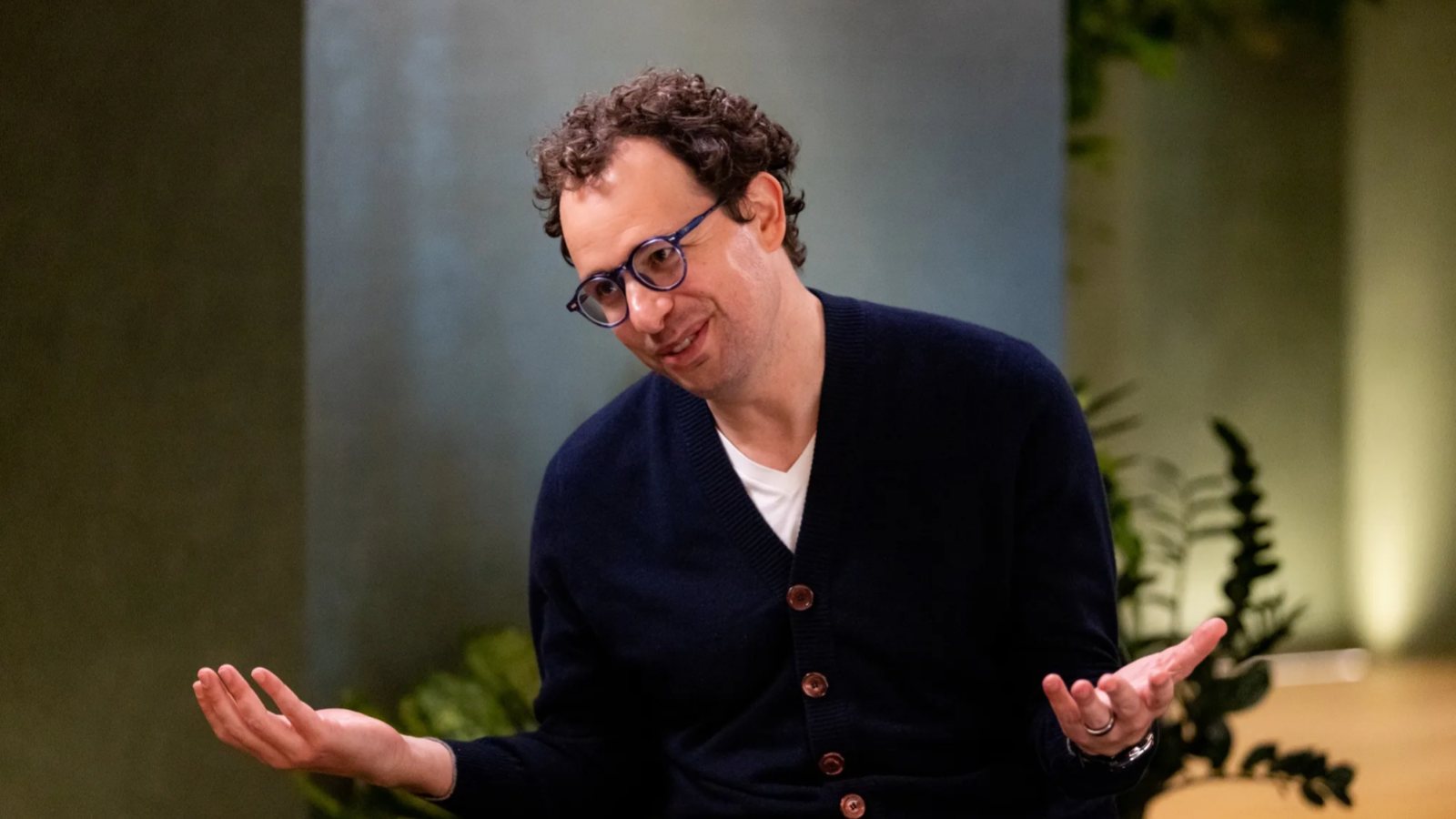
AI lab talent is moving fast—Dario’s warning highlights the retention challenge behind frontier-model development.
30-Second TL;DR
What Changed
Anthropic founder Dario is concerned that compensation may be the main reason employees join.
Why It Matters
Persistent talent mobility could make retention and institutional knowledge major competitive factors for AI labs. Companies may need to balance aggressive compensation with stronger research culture and long-term incentives.
What To Do Next
Review your AI team’s retention plan and add non-cash incentives such as research ownership, publication support, or clear technical career paths.
Key Points
- •Anthropic founder Dario is concerned that compensation may be the main reason employees join.
- •AI researchers are moving frequently between Google, Anthropic, and OpenAI.
- •The United States has banned non-compete restrictions in the relevant industry, making job changes easier.
Deep Insight
AI-generated analysis for this event — not the original article.
Enhanced Key Takeaways
- •The FTC's final rule banning non-compete agreements nationwide officially took effect in September 2024, significantly lowering the barrier for AI researchers to move between top-tier labs.
- •Anthropic has increasingly utilized 'compute-based' equity packages, where compensation is tied to the massive capital expenditure requirements of training frontier models like Claude.
- •Industry data indicates that total compensation packages for top-tier AI research scientists at labs like Anthropic and OpenAI have reached annual figures exceeding $1 million to $5 million, including stock grants.
- •Dario Amodei has publicly advocated for a 'safety-first' culture, fearing that employees motivated solely by financial gain may prioritize rapid deployment over the rigorous safety testing Anthropic claims as its differentiator.
- •The 'revolving door' phenomenon is exacerbated by the concentration of AI talent in the San Francisco Bay Area, where venture capital firms often facilitate talent poaching to protect their portfolio investments.
Competitor Analysis
- Anthropic (Claude)
- Constitutional AI / Safety
- OpenAI (GPT)
- AGI / Ecosystem
- Google (Gemini)
- Multimodal / Integration
- Anthropic (Claude)
- High equity/compute-linked
- OpenAI (GPT)
- High cash/compute-linked
- Google (Gemini)
- Large base/RSU/Bonus
- Anthropic (Claude)
- Research-heavy/Safety-focused
- OpenAI (GPT)
- Product-heavy/Scale-focused
- Google (Gemini)
- Research/Engineering hybrid
| Feature | Anthropic (Claude) | OpenAI (GPT) | Google (Gemini) |
|---|---|---|---|
| Primary Focus | Constitutional AI / Safety | AGI / Ecosystem | Multimodal / Integration |
| Compensation Model | High equity/compute-linked | High cash/compute-linked | Large base/RSU/Bonus |
| Talent Strategy | Research-heavy/Safety-focused | Product-heavy/Scale-focused | Research/Engineering hybrid |
Future ImplicationsAI analysis grounded in cited sources
Timeline
- 2021-01Anthropic is founded by former OpenAI executives including Dario Amodei.
- 2023-03Anthropic releases Claude, emphasizing the 'Constitutional AI' safety framework.
- 2024-04The FTC announces the final rule to ban non-compete agreements across the United States.
- 2024-09The FTC non-compete ban officially goes into effect, impacting labor mobility in the tech sector.
- 2025-06Anthropic reports significant scaling of its research team amid intense industry competition for talent.
Weekly AI Recap
Read this week's curated digest of top AI events →
Related Updates
AI-curated news aggregator. All content rights belong to original publishers.
Original source: cnBeta (Full RSS) ↗
This is a summary, not the original. Read the source, or get the weekly briefing.
The weekly digest
One email a week. Unsubscribe anytime.