CXMT Memory Breaks DDR5-8800 Barrier
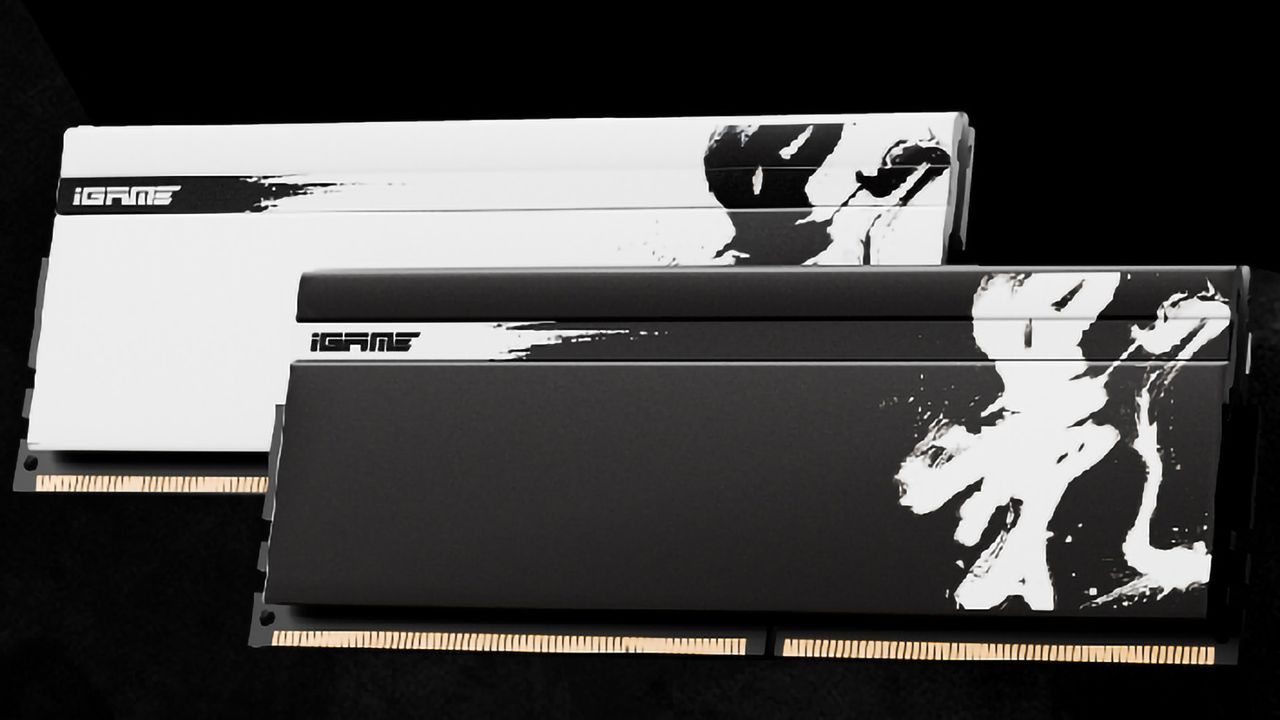
DDR5-8800 on CXMT chips could reshape memory sourcing for AI workstations—if stability matches the headline.
30-Second TL;DR
What Changed
Colorful demonstrated CXMT-equipped kits at DDR5-8800
Why It Matters
Higher-performing domestic memory could broaden supply options for AI workstations and servers, especially where memory availability and sourcing resilience matter. However, an overclocking demonstration does not yet establish production-grade stability, pricing, or broad system compatibility.
What To Do Next
Before using CXMT DDR5 in an AI workstation, validate it with MemTest86 and benchmark your inference workload under sustained memory pressure.
Key Points
- •Colorful demonstrated CXMT-equipped kits at DDR5-8800
- •The overclocking test used an AMD platform
- •CXMT chips are closing the performance gap with SK hynix
Deep Insight
AI-generated analysis for this event — not the original article.
Enhanced Key Takeaways
- •CXMT (ChangXin Memory Technologies) has historically focused on DDR4 and LPDDR4/5, making this DDR5-8800 achievement a significant shift toward high-performance desktop (HEDT) and enthusiast-grade memory segments.
- •The demonstration utilized Colorful's 'iGame' series memory modules, which are typically positioned as premium gaming hardware, signaling CXMT's intent to compete in the high-end retail market rather than just entry-level OEM channels.
- •This milestone is achieved despite ongoing geopolitical restrictions that limit CXMT's access to advanced EUV lithography equipment, highlighting their progress in process optimization and yield management on DUV systems.
- •The AMD platform used for the demonstration likely leveraged the latest AGESA firmware updates, which have been critical in stabilizing high-frequency DDR5 memory training on AM5 motherboards.
- •Industry analysts note that CXMT's ability to reach these speeds suggests they are successfully implementing advanced signal integrity techniques and refined die-stacking processes previously dominated by the 'Big Three' (Samsung, SK hynix, Micron).
Competitor Analysis
- CXMT (DDR5-8800)
- Emerging/Value-Performance
- SK hynix (A-Die/M-Die)
- Premium/Enthusiast
- Samsung (B-Die/DDR5)
- Mainstream/Enterprise
- CXMT (DDR5-8800)
- Rapidly Improving
- SK hynix (A-Die/M-Die)
- Industry Standard (High)
- Samsung (B-Die/DDR5)
- Moderate
- CXMT (DDR5-8800)
- Cost/Geopolitical Independence
- SK hynix (A-Die/M-Die)
- Proven Stability/High Binning
- Samsung (B-Die/DDR5)
- High Volume/Legacy Support
- CXMT (DDR5-8800)
- Aggressive/Lower
- SK hynix (A-Die/M-Die)
- Premium
- Samsung (B-Die/DDR5)
- Competitive/Variable
| Feature | CXMT (DDR5-8800) | SK hynix (A-Die/M-Die) | Samsung (B-Die/DDR5) |
|---|---|---|---|
| Market Positioning | Emerging/Value-Performance | Premium/Enthusiast | Mainstream/Enterprise |
| Overclocking Headroom | Rapidly Improving | Industry Standard (High) | Moderate |
| Primary Advantage | Cost/Geopolitical Independence | Proven Stability/High Binning | High Volume/Legacy Support |
| Typical Pricing | Aggressive/Lower | Premium | Competitive/Variable |
Technical Deep Dive
- The DDR5-8800 speed is achieved using a 1.4V+ DRAM voltage profile, necessitating robust heat spreaders for thermal management.
- CXMT is utilizing a refined 1x nm or 1y nm process node, optimized specifically for high-frequency signal stability.
- The modules utilize a standard PMIC (Power Management Integrated Circuit) configuration, likely sourced from third-party vendors to ensure compatibility with high-speed XMP/EXPO profiles.
- The memory training process on the AMD platform relies on optimized sub-timing adjustments to maintain stability at 8800 MT/s, as standard JEDEC profiles are significantly lower.
Future ImplicationsAI analysis grounded in cited sources
Timeline
- 2016-05CXMT is founded in Hefei, China, with a focus on DRAM manufacturing.
- 2019-09CXMT begins mass production of its first-generation 8Gb DDR4 memory chips.
- 2023-04CXMT officially enters the DDR5 market, expanding its product portfolio beyond DDR4.
- 2025-02Reports emerge of CXMT successfully scaling LPDDR5 production for mobile devices.
- 2026-08Colorful demonstrates CXMT-based DDR5-8800 memory kits on an AMD platform.
Weekly AI Recap
Read this week's curated digest of top AI events →
AI-curated news aggregator. All content rights belong to original publishers.
Original source: Tom's Hardware ↗
This is a summary, not the original. Read the source, or get the weekly briefing.
The weekly digest
One email a week. Unsubscribe anytime.