CXMT-Apple Memory Deal Faces Supply Hurdles
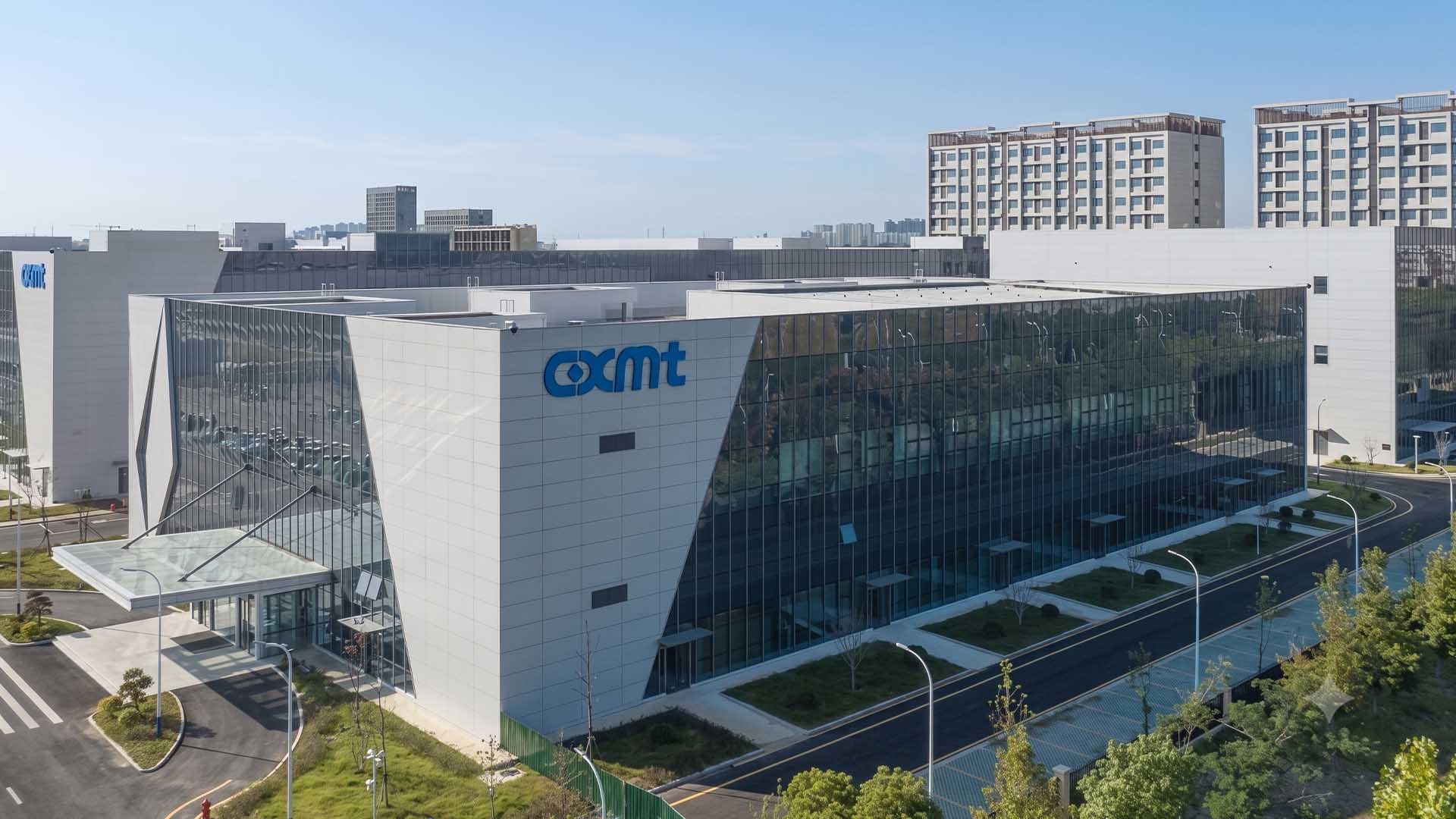
AI demand is reshaping DRAM supply—and Apple’s CXMT alternative may not scale.
30-Second TL;DR
What Changed
Apple is evaluating CXMT’s DRAM products as it diversifies its memory supply chain.
Why It Matters
AI demand is tightening global memory availability, making alternative DRAM suppliers strategically important. If CXMT cannot scale reliably, AI hardware builders and device makers may continue depending on a small group of established suppliers.
What To Do Next
Add CXMT DRAM to your AI-server qualification matrix and benchmark capacity, yield, performance, and supply continuity against Samsung, SK hynix, and Micron.
Key Points
- •Apple is evaluating CXMT’s DRAM products as it diversifies its memory supply chain.
- •Samsung, SK hynix, and Micron are prioritizing large AI-related orders.
- •CXMT’s capacity constraints and manufacturing issues could prevent deeper commercial cooperation.
- •Any initial Apple-CXMT transactions may remain limited despite ongoing product testing.
Deep Insight
AI-generated analysis for this event — not the original article.
Enhanced Key Takeaways
- •CXMT has been subject to U.S. Department of Commerce Entity List restrictions, complicating Apple's ability to integrate their components into products destined for the U.S. market.
- •The potential partnership is driven by Apple's 'China-for-China' strategy, aiming to utilize local components for devices sold within the Chinese domestic market to mitigate geopolitical supply chain risks.
- •CXMT has been aggressively expanding its 19nm and 17nm DRAM production lines, though it remains several generations behind the leading-edge 10nm-class (1a/1b) nodes used by Samsung and SK hynix.
- •Industry analysts suggest that Apple's testing of CXMT memory is primarily focused on legacy or lower-bandwidth applications, such as IoT devices or entry-level accessories, rather than flagship iPhone or Mac hardware.
- •The Chinese government has provided significant state-backed subsidies to CXMT, which has allowed the company to rapidly scale production despite lacking access to advanced EUV lithography equipment.
Competitor Analysis
- CXMT (DRAM)
- 17nm / 19nm
- Samsung (DRAM)
- 10nm-class (1a/1b)
- Micron (DRAM)
- 10nm-class (1a/1b)
- CXMT (DRAM)
- Limited
- Samsung (DRAM)
- High (HBM3E/LPDDR5X)
- Micron (DRAM)
- High (HBM3E/LPDDR5X)
- CXMT (DRAM)
- Domestic/Legacy
- Samsung (DRAM)
- Global/Flagship
- Micron (DRAM)
- Global/Flagship
- CXMT (DRAM)
- High (U.S. Sanctions)
- Samsung (DRAM)
- Low
- Micron (DRAM)
- Low
| Feature | CXMT (DRAM) | Samsung (DRAM) | Micron (DRAM) |
|---|---|---|---|
| Process Node | 17nm / 19nm | 10nm-class (1a/1b) | 10nm-class (1a/1b) |
| AI Optimization | Limited | High (HBM3E/LPDDR5X) | High (HBM3E/LPDDR5X) |
| Market Focus | Domestic/Legacy | Global/Flagship | Global/Flagship |
| Geopolitical Risk | High (U.S. Sanctions) | Low | Low |
Technical Deep Dive
- CXMT utilizes a proprietary DRAM architecture that relies on DUV (Deep Ultraviolet) lithography, necessitating multi-patterning techniques to achieve density targets.
- The company's current product portfolio focuses heavily on DDR4 and LPDDR4X, with limited mass-production capabilities for LPDDR5 or LPDDR5X.
- CXMT's manufacturing process is optimized for cost-efficiency and yield in legacy nodes rather than the extreme power-efficiency required for high-end mobile computing.
- Integration with Apple's ecosystem would require CXMT to meet stringent JEDEC standards and Apple's internal reliability testing, which often exceeds standard industry benchmarks.
Future ImplicationsAI analysis grounded in cited sources
Timeline
- 2016-05CXMT (ChangXin Memory Technologies) is founded in Hefei, China.
- 2019-09CXMT begins mass production of its first 8Gb DDR4 memory chips.
- 2022-12U.S. Department of Commerce adds CXMT to the Entity List, restricting access to U.S. semiconductor manufacturing equipment.
- 2024-04Reports emerge indicating CXMT is accelerating efforts to develop LPDDR5 memory to compete with international suppliers.
- 2026-06Apple initiates formal validation testing of CXMT DRAM samples for potential supply chain diversification.
Weekly AI Recap
Read this week's curated digest of top AI events →
Related Updates


AI-curated news aggregator. All content rights belong to original publishers.
Original source: cnBeta (Full RSS) ↗
This is a summary, not the original. Read the source, or get the weekly briefing.
The weekly digest
One email a week. Unsubscribe anytime.