Cross-border sellers build a browser giant
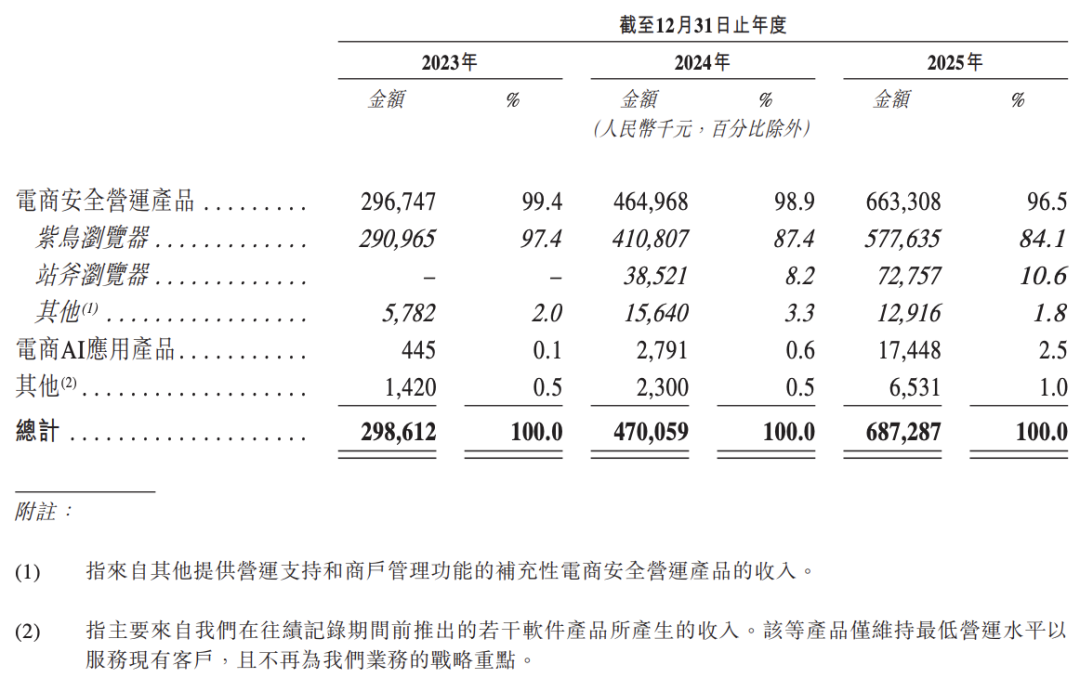
💡Learn how niche browser tools monetize traffic to reach 700M revenue, a blueprint for AI tool distribution.
⚡ 30-Second TL;DR
What Changed
Browser business model for cross-border e-commerce
Why It Matters
Highlights how specialized browser tools can capture significant market share in the e-commerce ecosystem.
What To Do Next
Analyze the browser's user retention mechanics to identify potential integration points for AI-driven shopping assistants.
Key Points
- •Browser business model for cross-border e-commerce
- •Achieved nearly 700 million in annual revenue
- •Leveraging niche traffic for browser monetization
🧠 Deep Insight
AI-generated analysis for this event — not the original article.
🔑 Enhanced Key Takeaways
- •The browser in question is widely identified as AdsPower, a specialized anti-detect browser designed to manage multiple e-commerce accounts without triggering platform bans.
- •The business model relies on a SaaS subscription structure, charging users for multi-profile management, team collaboration features, and automation capabilities rather than traditional ad-based browser monetization.
- •The core technical value proposition is the ability to simulate unique browser fingerprints (Canvas, WebGL, AudioContext, etc.) to prevent cross-border e-commerce platforms like Amazon, TikTok, and eBay from linking multiple accounts to a single user.
- •The company has expanded its revenue streams by integrating RPA (Robotic Process Automation) tools that allow sellers to automate repetitive tasks like product listing, order processing, and review management.
- •The rapid growth is attributed to the 'account matrix' strategy prevalent in Chinese cross-border e-commerce, where sellers operate hundreds of accounts to mitigate the risk of platform-wide account suspensions.
📊 Competitor Analysis▸ Show
| Feature | AdsPower | Multilogin | Dolphin{anty} |
|---|---|---|---|
| Primary Focus | E-commerce/Affiliate | Enterprise/Privacy | Affiliate/Media Buying |
| Fingerprinting | Advanced/Custom | Industry Standard | High-speed/Lightweight |
| Pricing Model | Tiered SaaS | Enterprise/High-end | Freemium/Tiered |
| Automation | Native RPA/Local API | API-focused | Built-in Automation |
🛠️ Technical Deep Dive
- Fingerprint Masking: Utilizes modified Chromium and Firefox cores to inject randomized or consistent hardware/software identifiers including User-Agent, WebGL vendor, and screen resolution.
- Local Data Isolation: Implements a containerized architecture where cookies, local storage, and cache are encrypted and stored locally to prevent cross-account data leakage.
- RPA Engine: Employs a visual workflow builder that executes browser-level scripts to simulate human interaction patterns, reducing the likelihood of bot detection by platforms.
- Proxy Integration: Supports seamless integration with residential, datacenter, and mobile proxy providers to rotate IP addresses per browser profile.
🔮 Future ImplicationsAI analysis grounded in cited sources
⏳ Timeline
Weekly AI Recap
Read this week's curated digest of top AI events →
👉Related Updates



AI-curated news aggregator. All content rights belong to original publishers.
Original source: 钛媒体 ↗
This is a summary, not the original. Read the source, or get the weekly briefing.
Weekly AI briefing
One email a week. Unsubscribe anytime.