Crayfish Symbol Evolves to AI Icon
💡OpenClaw's viral Chinese name reveals AI reshaping entertainment culture.
⚡ 30-Second TL;DR
What Changed
2015 SIFF nicknamed 'Shrimp Film Fest' for seasonal partying and offline bonding.
Why It Matters
Highlights AI's cultural 'seizure' of entertainment, from symbols to tools, accelerating shift to algorithm-driven content creation.
What To Do Next
Deploy OpenClaw on local server to test AI content generation workflows.
Key Points
- •2015 SIFF nicknamed 'Shrimp Film Fest' for seasonal partying and offline bonding.
- •Post-2018, short dramas and AI manhua fill content vacuum via algorithms.
- •OpenClaw as 'xiaolongxia' embodies AI efficiency anxiety replacing old media.
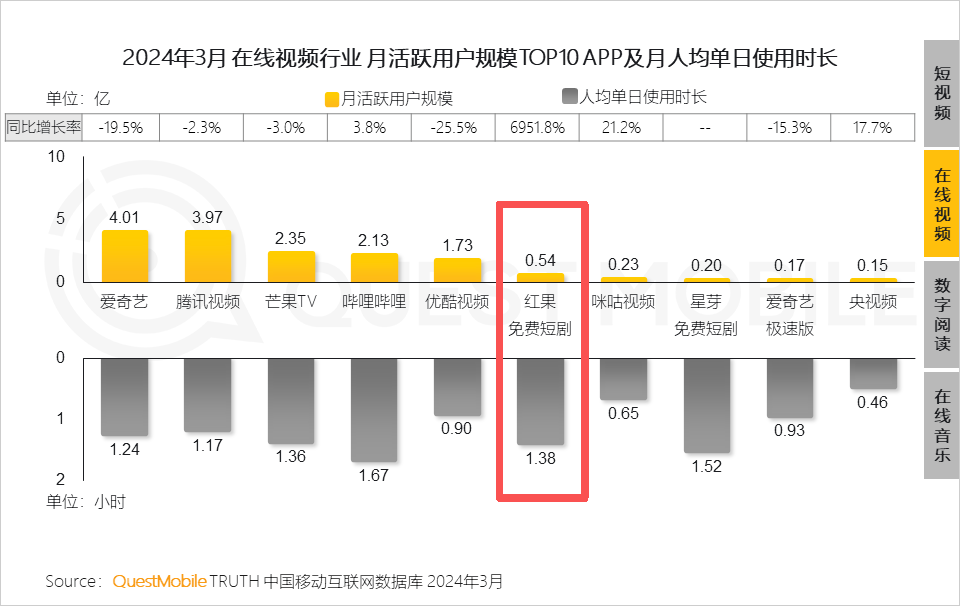
- •Red Fruit app hits 1.38hr daily use, signaling ByteDance's AI content push.
🧠 Deep Insight
Background and context from public sources — not the original article. 7 sources cited.
🔑 Enhanced Key Takeaways
- •OpenClaw, released on GitHub in November 2025 by Austrian developer Peter Steinberger, functions as an 'agentic harness' that decomposes user goals into subtasks, integrates tools like email and calendars, and includes persistent memory, requiring users to supply their own LLM[2][3][4].
- •In China, OpenClaw achieved explosive adoption with nearly half of 142,000 tracked agents originating there, becoming GitHub's most-starred repository in 100 days, outpacing Linux's 30-year record according to local media[3].
- •Major Chinese tech firms including Tencent Cloud, Alibaba (CoPaw), Baidu (Red Finger Operator), ByteDance's Volcano Engine (ArkClaw), Xiaomi (miclaw), Moonshot (Kimi Claw), and MiniMax (MaxClaw) launched hosted or localized versions since late January 2026 to capitalize on the trend[3][5][6].
- •In March 2026, the Chinese government restricted state agencies and enterprises from using OpenClaw due to security concerns, amid broader scrutiny over data and IP issues in China's AI ecosystem[2][4].
🛠️ Technical Deep Dive
- •OpenClaw is an agentic harness, not an LLM itself; it provides instructions for goal decomposition into subtasks, protocols for tool integration (e.g., messaging apps like Slack/WeChat, email, calendars, browsers), and a memory system to retain task history[1][2][3].
- •Runs locally on user devices via API calls to external LLMs, supports multi-step autonomous execution including web browsing, code writing/debugging, file access, and 24/7 operation with hundreds of daily model calls[3][7].
- •Features session management, long-term memory, tool sandboxing, and access controls, treating AI agents as an infrastructure layer akin to an operating system[1][7].
🔮 Future ImplicationsAI analysis grounded in cited sources
⏳ Timeline
📎 Sources (7)
Factual claims are grounded in the sources below. Forward-looking analysis is AI-generated interpretation.
- binance.com — 300366028933489
- fortune.com — Openclaw China AI Agent Boom Open Source Lobster Craze Minimax Qwen
- hellochinatech.com — Openclaw China AI Stack
- en.wikipedia.org — Openclaw
- bastillepost.com — 5695944 Bastilles Report Openclaw Unleashes AI Frenzy Mainland Tech Titans Vie for AI Markets Share
- technode.com — Openclaw Sparks Boom As Chinese Firms Race Into the AI Agent Era
- ppaolo.substack.com — Openclaw System Architecture Overview
Weekly AI Recap
Read this week's curated digest of top AI events →
👉Related Updates
AI-curated news aggregator. All content rights belong to original publishers.
Original source: 虎嗅 ↗
This is a summary, not the original. Read the source, or get the weekly briefing.
Weekly AI briefing
One email a week. Unsubscribe anytime.