Core capabilities for professional growth in the AI era
💡Understand the mindset required to stay relevant as AI automates traditional professional workflows.
⚡ 30-Second TL;DR
What Changed
Shift from static knowledge to dynamic adaptability
Why It Matters
For AI practitioners, this highlights that technical skills alone are insufficient; the ability to adapt to rapidly changing model capabilities and industry shifts is the true core competency.
What To Do Next
Practice 'active learning' by building a small project with a new framework every month to train your adaptability.
Key Points
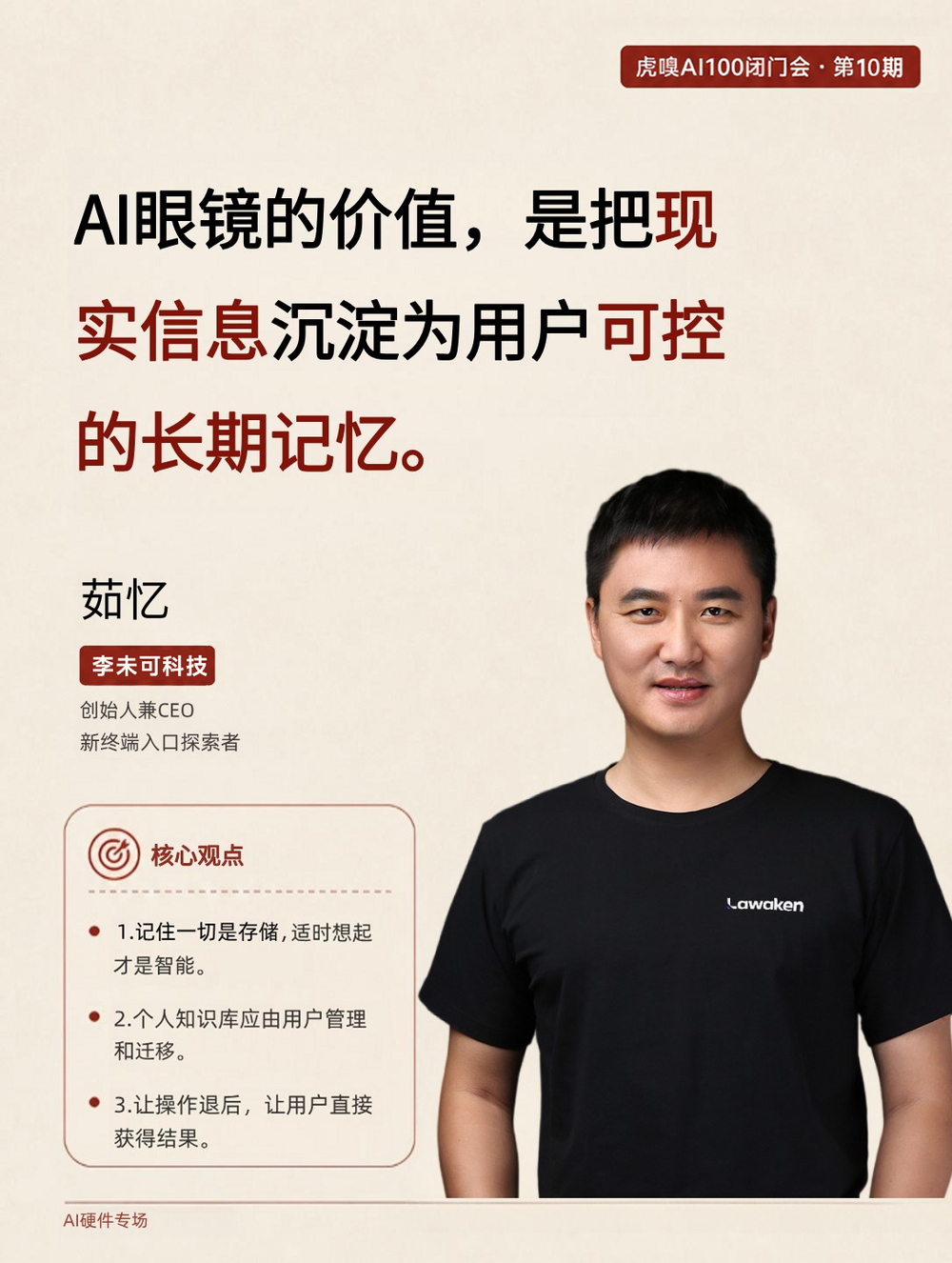
- •Shift from static knowledge to dynamic adaptability
- •Importance of 'self-driven' learning over passive information consumption
- •The necessity of making high-stakes decisions and owning the outcomes
- •Developing a 'muscle memory' for navigating professional changes
🧠 Deep Insight
AI-generated analysis for this event — not the original article.
🔑 Enhanced Key Takeaways
- •The rise of 'AI-augmented cognitive offloading' requires professionals to master prompt engineering and iterative refinement as a core competency rather than a technical skill.
- •Economic data from 2025-2026 indicates a 'skill half-life' reduction, where professional knowledge becomes obsolete in under 24 months, necessitating continuous micro-credentialing.
- •Human-in-the-loop (HITL) oversight is becoming a primary job function, shifting the professional focus from content creation to content verification and ethical auditing.
- •Cross-disciplinary synthesis—the ability to connect AI-generated insights across disparate fields—is now a higher-value skill than domain-specific technical execution.
- •The 'AI-native' workforce is increasingly prioritizing 'soft-skill' dominance, such as complex stakeholder management and emotional intelligence, which remain difficult for current LLMs to replicate.
🔮 Future ImplicationsAI analysis grounded in cited sources
Weekly AI Recap
Read this week's curated digest of top AI events →
👉Related Updates

AI-curated news aggregator. All content rights belong to original publishers.
Original source: 虎嗅 ↗
This is a summary, not the original. Read the source, or get the weekly briefing.
The weekly digest
One email a week. Unsubscribe anytime.