Copilot CLI /fleet Enables Multi-Agent Parallel Runs
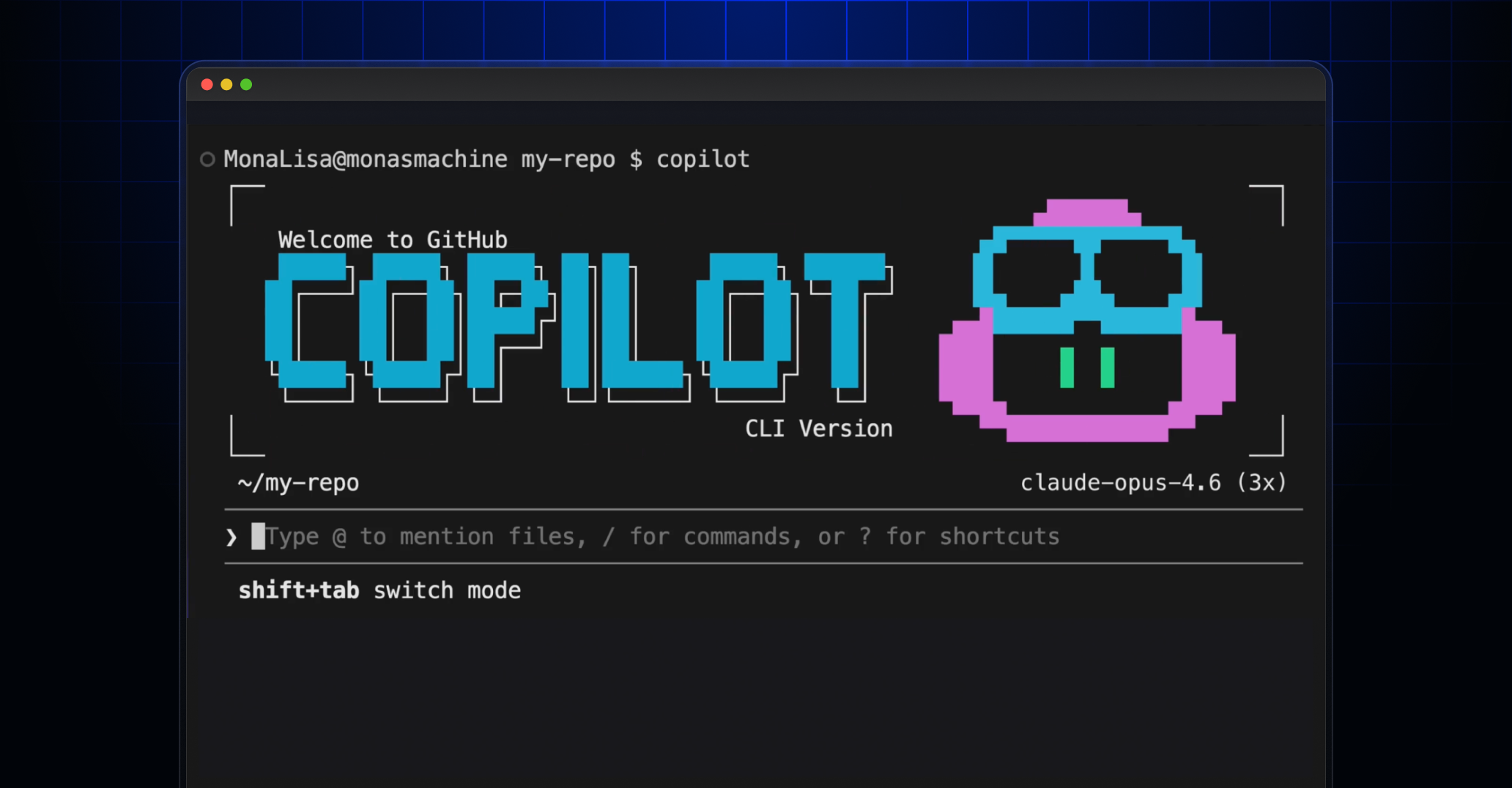
💡Parallel multi-agent CLI boosts complex coding workflows—perfect for AI builders.
⚡ 30-Second TL;DR
What Changed
Introduces /fleet for parallel multi-agent dispatch
Why It Matters
This feature scales AI agent usage in CLI environments, boosting developer productivity for multi-step coding tasks. It positions GitHub Copilot as a more powerful tool for agentic workflows.
What To Do Next
Update Copilot CLI and test /fleet with a prompt splitting a project across multiple agent tasks.
Key Points
- •Introduces /fleet for parallel multi-agent dispatch
- •Supports prompts splitting work across files
- •Enables dependency declarations between agents
- •Guides on avoiding common pitfalls
🧠 Deep Insight
AI-generated analysis for this event — not the original article.
🔑 Enhanced Key Takeaways
- •The /fleet command utilizes a hierarchical orchestration layer that manages state synchronization between agents to prevent race conditions during concurrent file modifications.
- •Integration with GitHub Actions allows /fleet configurations to be version-controlled as YAML files, enabling reproducible multi-agent workflows across CI/CD pipelines.
- •The system implements a 'conflict resolution protocol' that automatically merges changes from parallel agents using semantic analysis rather than simple line-based diffs.
📊 Competitor Analysis▸ Show
| Feature | GitHub Copilot /fleet | Cursor Composer | Windsurf Cascade |
|---|---|---|---|
| Parallel Execution | Native /fleet command | Limited (sequential focus) | Limited (sequential focus) |
| Dependency Management | Explicit declaration | Implicit/Context-based | Implicit/Context-based |
| CI/CD Integration | Deep (GitHub Actions) | Low | Low |
| Pricing | Included in Copilot Business/Enterprise | Pro/Business tiers | Pro/Business tiers |
🛠️ Technical Deep Dive
- •Orchestration Engine: Uses a Directed Acyclic Graph (DAG) to map agent dependencies and execution order.
- •Communication Protocol: Agents communicate via a shared context buffer with read-write locks on specific file segments to ensure atomicity.
- •Conflict Resolution: Employs an AST-aware (Abstract Syntax Tree) merging strategy to resolve semantic overlaps between parallel agent outputs.
- •Resource Management: Implements token-budgeting per agent to prevent runaway costs during large-scale fleet operations.
🔮 Future ImplicationsAI analysis grounded in cited sources
⏳ Timeline
Weekly AI Recap
Read this week's curated digest of top AI events →
👉Related Updates
AI-curated news aggregator. All content rights belong to original publishers.
Original source: GitHub Blog ↗
This is a summary, not the original. Read the source, or get the weekly briefing.
Weekly AI briefing
One email a week. Unsubscribe anytime.