Cook Hands Baton to Ternus: AI Era Test Begins
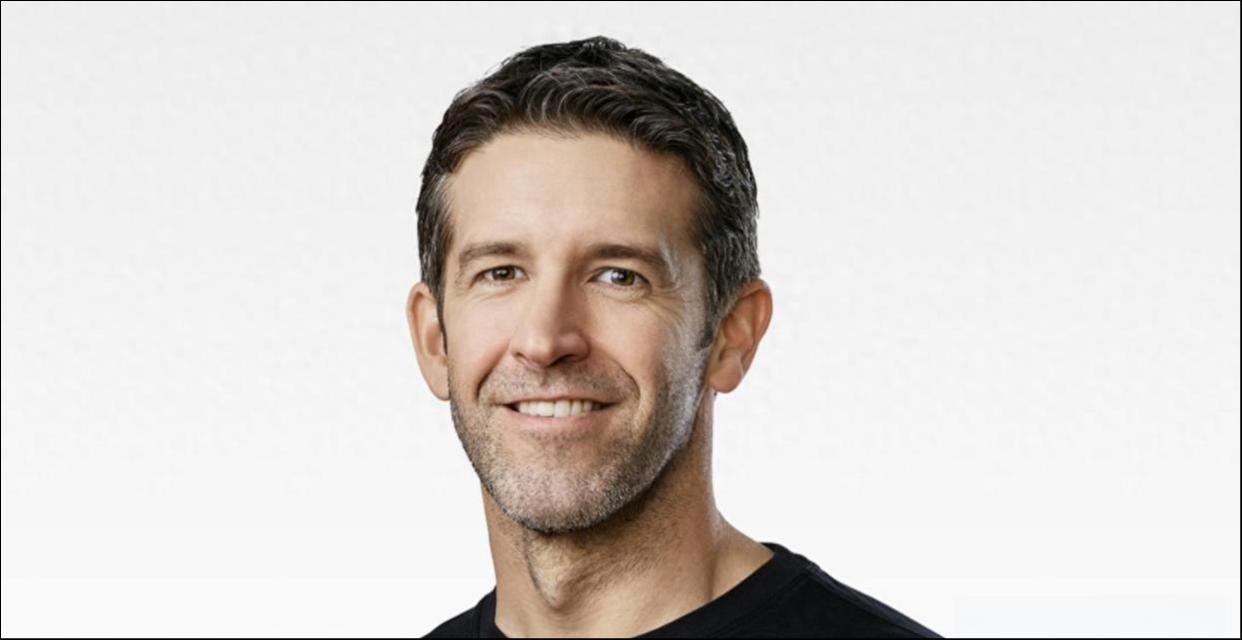
💡Apple's AI future under new hardware chief—vital for iOS ML builders eyeing ecosystem shifts.
⚡ 30-Second TL;DR
What Changed
Tim Cook transitioning CEO role to John Ternus
Why It Matters
The leadership shift could accelerate Apple's AI push like Apple Intelligence, influencing iOS AI app developers and competition with rivals like Google. AI practitioners may see new on-device tools emerge.
What To Do Next
Benchmark your models against Apple Silicon NPUs for potential iOS AI integration shifts.
Key Points
- •Tim Cook transitioning CEO role to John Ternus
- •Apple managing $4 trillion market cap empire
- •AI era presenting major upcoming tests for Apple
- •Apple fully committing future to AI strategy
🧠 Deep Insight
AI-generated analysis for this event — not the original article.
🔑 Enhanced Key Takeaways
- •John Ternus, previously Senior Vice President of Hardware Engineering, was selected for his pivotal role in overseeing the transition of the Mac lineup to Apple Silicon, a move seen as critical for the company's current AI-integrated hardware strategy.
- •The leadership transition follows a multi-year succession planning process initiated by the Apple Board of Directors to ensure stability as the company pivots from a mobile-first to an AI-native ecosystem.
- •Market analysts highlight that Ternus faces the immediate challenge of integrating Apple's proprietary 'Apple Intelligence' models more deeply into the hardware stack to maintain the company's premium pricing power against aggressive AI-focused competitors.
📊 Competitor Analysis▸ Show
| Feature | Apple (Ternus Era) | Microsoft (Nadella) | Google (Pichai) |
|---|---|---|---|
| Primary AI Strategy | On-device privacy-first | Cloud-integrated Copilot | Multimodal Gemini ecosystem |
| Hardware Integration | Tight vertical integration | OEM-dependent | Pixel/Cloud hybrid |
| Market Focus | Premium consumer/Pro | Enterprise/Cloud | Search/Ads/Cloud |
🛠️ Technical Deep Dive
- •Apple's AI architecture relies on the 'Private Cloud Compute' (PCC) framework, which extends the security and privacy of on-device processing to the cloud.
- •The transition emphasizes the 'Neural Engine' performance scaling, with recent iterations focusing on transformer model optimization for low-latency inference on A-series and M-series chips.
- •Implementation involves a hybrid model approach: smaller, quantized models run locally on the NPU, while larger, more complex requests are routed to Apple's custom silicon-based server clusters.
🔮 Future ImplicationsAI analysis grounded in cited sources
⏳ Timeline
Weekly AI Recap
Read this week's curated digest of top AI events →
👉Related Updates



AI-curated news aggregator. All content rights belong to original publishers.
Original source: 钛媒体 ↗
This is a summary, not the original. Read the source, or get the weekly briefing.
The weekly digest
One email a week. Unsubscribe anytime.