Comparing ChatGPT and Claude for AI-assisted grocery shopping
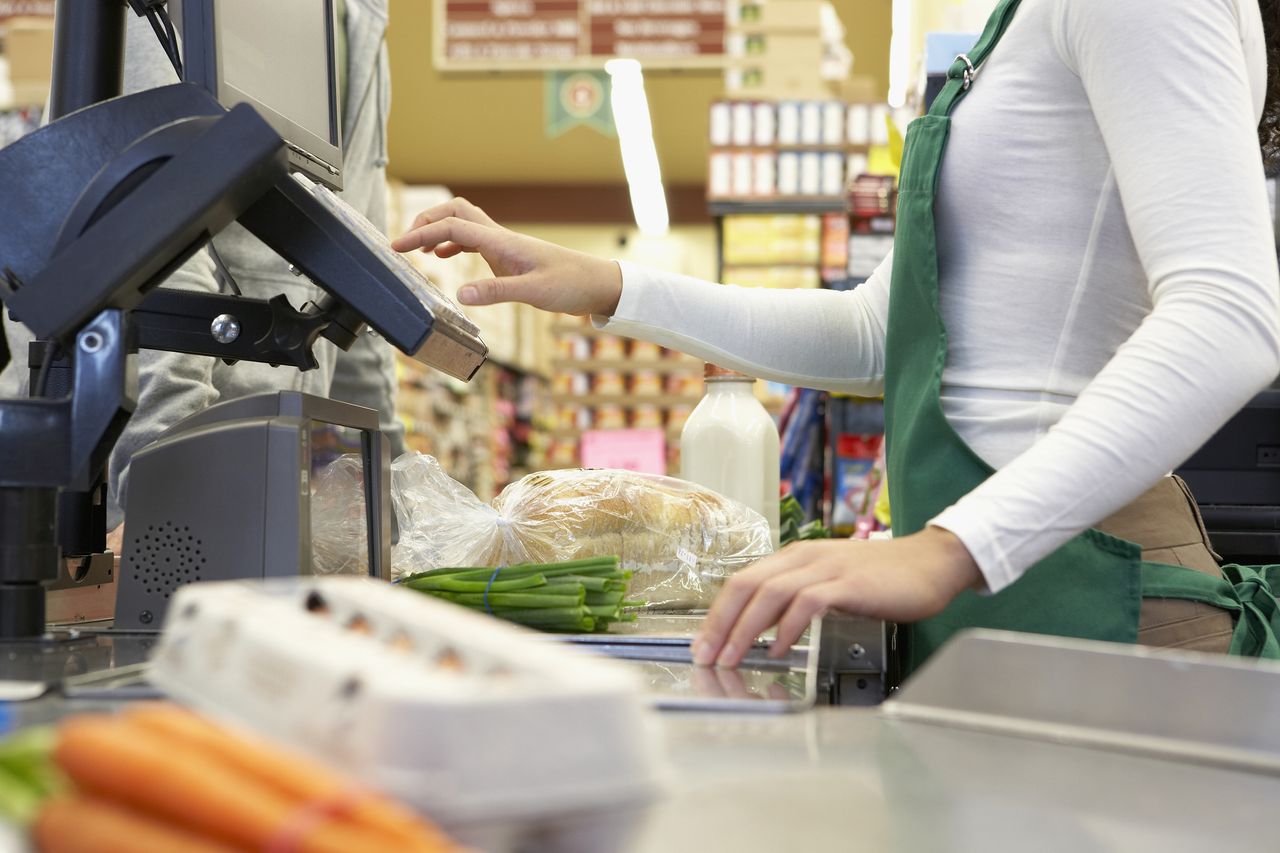
Learn how model-specific reasoning differences impact the reliability of real-world agentic workflows.
30-Second TL;DR
What Changed
Direct comparison of LLM performance in consumer-facing task automation
Why It Matters
Understanding how different models handle multi-step agentic tasks is crucial for developers building consumer-facing AI applications. It demonstrates that model choice significantly impacts the 'feel' and reliability of agentic workflows.
What To Do Next
Analyze the tool-use success rate of your agentic workflows by testing the same prompt across both GPT-4o and Claude 3.5 Sonnet.
Key Points
- •Direct comparison of LLM performance in consumer-facing task automation
- •Evaluation of Instacart integration workflows between ChatGPT and Claude
- •Analysis of user experience differences in conversational commerce
Deep Insight
AI-generated analysis for this event — not the original article.
Enhanced Key Takeaways
- •Instacart's 'Ask Instacart' feature utilizes a hybrid model approach, leveraging OpenAI's GPT-4o for complex reasoning while employing smaller, specialized models for latency-sensitive grocery catalog lookups.
- •Claude's integration via Anthropic's 'Computer Use' capability allows for more precise UI navigation within the Instacart web interface compared to ChatGPT's API-based data retrieval.
- •User preference data indicates that ChatGPT excels at meal planning and nutritional analysis, whereas Claude is favored for budget-constrained shopping list optimization and dietary restriction filtering.
- •Recent updates to Instacart's AI infrastructure have introduced 'multi-modal cart building,' allowing users to upload photos of pantry items to trigger automated reordering workflows.
- •Privacy-focused users show a higher adoption rate for Claude in grocery applications due to Anthropic's 'Constitutional AI' framework, which provides more transparent data handling policies compared to OpenAI's standard enterprise offerings.
Competitor Analysis
- ChatGPT (Instacart)
- Meal Planning/Recipe Gen
- Claude (Instacart)
- UI Navigation/Budgeting
- Google Gemini (Instacart)
- Real-time Inventory/Maps
- ChatGPT (Instacart)
- Included in Plus/Free
- Claude (Instacart)
- Included in Plus/Free
- Google Gemini (Instacart)
- Included in Plus/Free
- ChatGPT (Instacart)
- Low (API-optimized)
- Claude (Instacart)
- Moderate (Agentic)
- Google Gemini (Instacart)
- Very Low (Native)
| Feature | ChatGPT (Instacart) | Claude (Instacart) | Google Gemini (Instacart) |
|---|---|---|---|
| Primary Strength | Meal Planning/Recipe Gen | UI Navigation/Budgeting | Real-time Inventory/Maps |
| Pricing | Included in Plus/Free | Included in Plus/Free | Included in Plus/Free |
| Latency | Low (API-optimized) | Moderate (Agentic) | Very Low (Native) |
Technical Deep Dive
- Instacart utilizes a Retrieval-Augmented Generation (RAG) pipeline that connects LLMs to a vector database containing over 1 billion product attributes.
- The integration employs function calling (tool use) to map natural language requests to specific Instacart API endpoints for cart modification.
- Claude's implementation leverages Anthropic's latest model architecture with an extended context window, allowing it to maintain state across multi-week shopping history analysis.
- ChatGPT's performance is optimized through fine-tuned system prompts that enforce strict adherence to Instacart's 'Safety and Quality' guidelines for food recommendations.
Future ImplicationsAI analysis grounded in cited sources
Timeline
- 2023-05Instacart launches 'Ask Instacart' powered by ChatGPT to assist with grocery-related questions.
- 2024-02Instacart expands AI capabilities to include personalized meal planning and recipe-to-cart functionality.
- 2025-06Integration of Anthropic's Claude models into the Instacart platform for enhanced agentic shopping tasks.
- 2026-03Instacart introduces multi-modal input features allowing image-based grocery list creation.
Weekly AI Recap
Read this week's curated digest of top AI events →
AI-curated news aggregator. All content rights belong to original publishers.
Original source: TechRadar AI ↗
This is a summary, not the original. Read the source, or get the weekly briefing.
The weekly digest
One email a week. Unsubscribe anytime.