Coffee Robots Aim to Scale Beyond Cafés
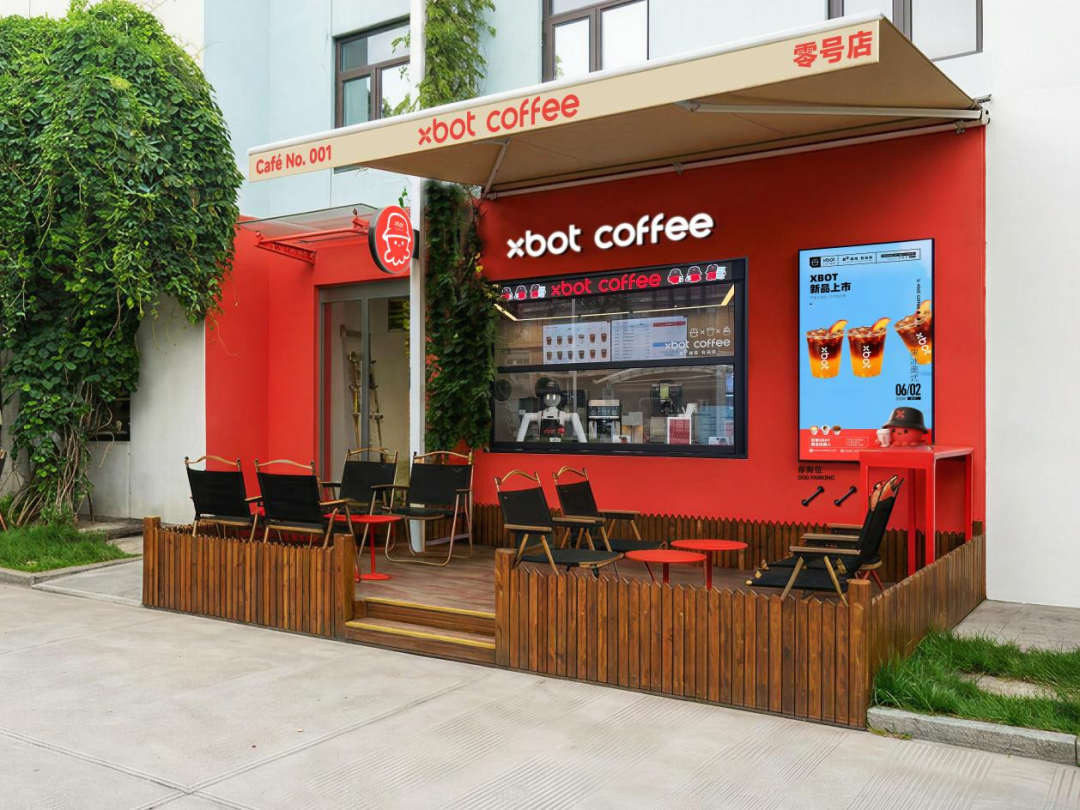
A 100,000-store rollout could make robotic food service a serious automation market—not just a café novelty.
30-Second TL;DR
What Changed
A former Xiaomi executive is investing in the coffee-robot sector.
Why It Matters
If the deployment model works, coffee robots could lower labor dependence and make standardized beverage production more scalable. The key business risk is whether the robots can deliver consistent quality, maintenance economics, and customer experience across a very large store network.
What To Do Next
Request a pilot with measurable KPIs for drink-throughput time, error rate, uptime, cleaning labor, and maintenance cost before committing to deployment.
Key Points
- •A former Xiaomi executive is investing in the coffee-robot sector.
- •The expansion target is as many as 100,000 stores.
- •Automation is being presented as a way to improve barista productivity and compete with major coffee chains.
Deep Insight
AI-generated analysis for this event — not the original article.
Enhanced Key Takeaways
- •The venture is identified as COFE+, a Shanghai-based robotics company founded by Han Rui, a former executive at Xiaomi and other major tech firms.
- •COFE+ robots utilize a 'store-in-a-box' model, requiring only 2.5 square meters of space, which significantly lowers real estate and labor overhead compared to traditional brick-and-mortar cafes.
- •The company has successfully deployed units in high-traffic transit hubs, office buildings, and universities, focusing on 24/7 autonomous operation without human intervention.
- •The robotic systems are integrated with AI-driven supply chain management that monitors ingredient levels and performs automated cleaning cycles to maintain food safety standards.
- •COFE+ has secured multiple rounds of financing from venture capital firms, emphasizing a business model that prioritizes rapid scalability through unmanned retail kiosks rather than traditional franchise models.
Competitor Analysis
- COFE+ (Robotic Kiosk)
- Near Zero (Maintenance only)
- Luckin Coffee (Human-Staffed)
- High (Barista wages)
- Traditional Cafes (e.g., Starbucks)
- Very High (Service staff)
- COFE+ (Robotic Kiosk)
- ~2.5 sqm
- Luckin Coffee (Human-Staffed)
- 20-50 sqm
- Traditional Cafes (e.g., Starbucks)
- 100+ sqm
- COFE+ (Robotic Kiosk)
- 24/7
- Luckin Coffee (Human-Staffed)
- Limited by staff shifts
- Traditional Cafes (e.g., Starbucks)
- Limited by staff shifts
- COFE+ (Robotic Kiosk)
- High (Algorithmic)
- Luckin Coffee (Human-Staffed)
- Moderate (Human-dependent)
- Traditional Cafes (e.g., Starbucks)
- Moderate (Human-dependent)
| Feature | COFE+ (Robotic Kiosk) | Luckin Coffee (Human-Staffed) | Traditional Cafes (e.g., Starbucks) |
|---|---|---|---|
| Labor Cost | Near Zero (Maintenance only) | High (Barista wages) | Very High (Service staff) |
| Footprint | ~2.5 sqm | 20-50 sqm | 100+ sqm |
| Operating Hours | 24/7 | Limited by staff shifts | Limited by staff shifts |
| Consistency | High (Algorithmic) | Moderate (Human-dependent) | Moderate (Human-dependent) |
Technical Deep Dive
- Robotic Arm Integration: Employs high-precision multi-axis robotic arms capable of simulating barista movements including tamping, extraction, and milk frothing.
- IoT Connectivity: Real-time cloud monitoring system tracks machine health, bean freshness, and inventory levels, triggering automated alerts for restocking.
- Modular Design: The kiosk architecture is designed for rapid deployment and plug-and-play installation in diverse environments.
- Automated Sanitation: Features built-in self-cleaning protocols for milk circuits and brewing groups to meet stringent health department regulations.
Future ImplicationsAI analysis grounded in cited sources
Timeline
- 2018-05COFE+ is founded in Shanghai by Han Rui and a team of robotics engineers.
- 2020-09The first generation of COFE+ robotic coffee kiosks completes pilot testing in Shanghai office parks.
- 2022-11COFE+ receives strategic investment to accelerate the mass production of its fifth-generation robotic units.
- 2024-06COFE+ announces a major expansion plan targeting thousands of units across major Chinese metropolitan areas.
Weekly AI Recap
Read this week's curated digest of top AI events →
AI-curated news aggregator. All content rights belong to original publishers.
Original source: 钛媒体 ↗
This is a summary, not the original. Read the source, or get the weekly briefing.
The weekly digest
One email a week. Unsubscribe anytime.