Cloudflare Organizations Public Beta Launch
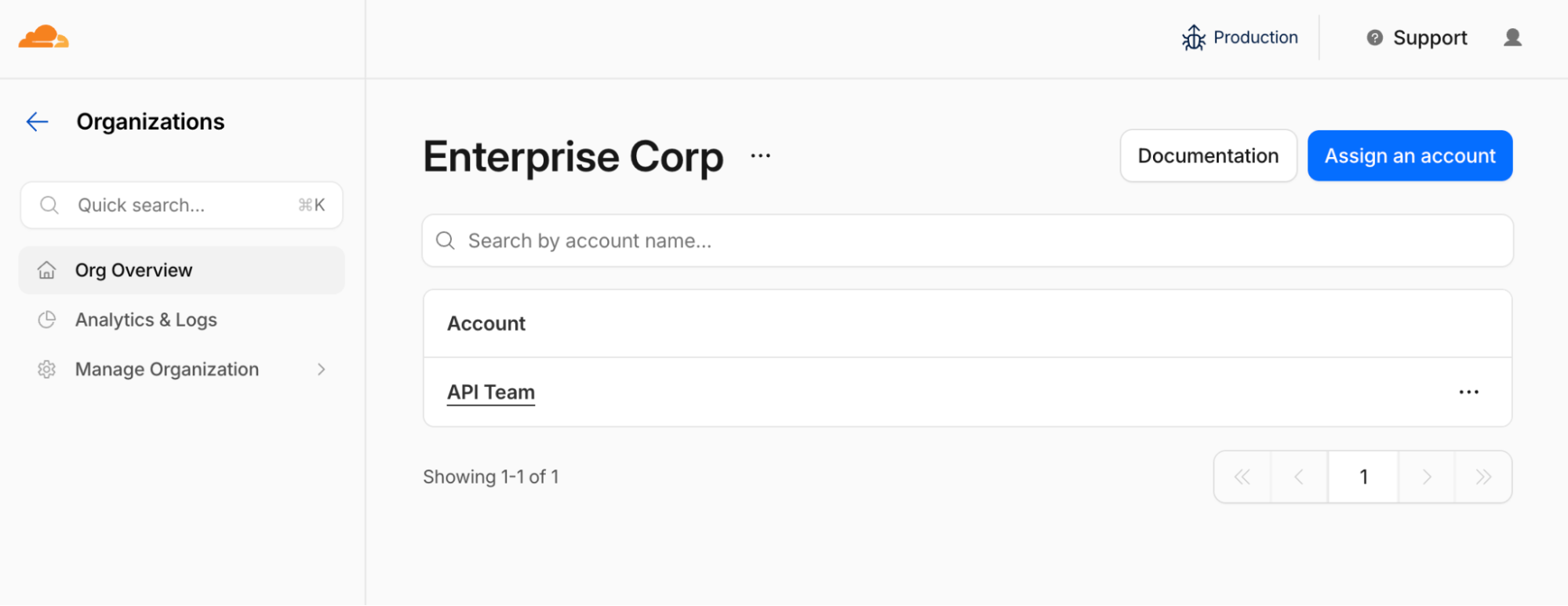
💡Enterprise tool to scale Cloudflare mgmt—vital for AI infra at edge
⚡ 30-Second TL;DR
What Changed
Public beta release of Organizations feature
Why It Matters
Enterprises can now centrally manage multiple accounts, reducing complexity for large-scale operations including edge AI services. Improves security and efficiency in authorization handling.
What To Do Next
Join Cloudflare Organizations public beta to unify management of your multi-account AI edge deployments.
Key Points
- •Public beta release of Organizations feature
- •Targets enterprises with multiple Cloudflare accounts
- •Consolidates authorization for org-wide management
- •Simplifies scaling Cloudflare deployments
🧠 Deep Insight
AI-generated analysis for this event — not the original article.
🔑 Enhanced Key Takeaways
- •Cloudflare Organizations integrates with existing Identity Providers (IdP) via SCIM (System for Cross-domain Identity Management), allowing automated user provisioning and de-provisioning across all child accounts.
- •The feature introduces a centralized 'Organization' dashboard that provides a unified view of billing, audit logs, and security posture, replacing the need for manual cross-account switching.
- •It utilizes a hierarchical Role-Based Access Control (RBAC) model, enabling administrators to define granular permissions at the organization level that propagate down to specific accounts or zones.
📊 Competitor Analysis▸ Show
| Feature | Cloudflare Organizations | Okta (Workflows/Groups) | AWS Organizations |
|---|---|---|---|
| Primary Focus | Network/Security Management | Identity/Access Management | Cloud Infrastructure |
| Pricing Model | Enterprise-tier bundle | Per-user/Per-feature | Free (Management layer) |
| Key Strength | Edge-native policy enforcement | Ecosystem integrations | Resource hierarchy/Billing |
🛠️ Technical Deep Dive
- SCIM Integration: Supports automated synchronization of user identities from enterprise directories (e.g., Azure AD, Okta) to the Cloudflare Organization layer.
- Hierarchical RBAC: Implements a parent-child permission inheritance model where organization-level roles override or augment account-level permissions.
- Unified Audit Logging: Aggregates logs from all child accounts into a single stream, supporting export to SIEM tools via Logpush.
- API-First Design: All organization management tasks, including account creation and user assignment, are exposed via a new set of Organization-scoped API endpoints.
🔮 Future ImplicationsAI analysis grounded in cited sources
⏳ Timeline
Weekly AI Recap
Read this week's curated digest of top AI events →
👉Related Updates

AI-curated news aggregator. All content rights belong to original publishers.
Original source: Cloudflare Blog ↗
This is a summary, not the original. Read the source, or get the weekly briefing.
The weekly digest
One email a week. Unsubscribe anytime.