💰钛媒体•Stalecollected in 21m
Claude-mem Plugin Exposes AI Giants' Revenue Secrets
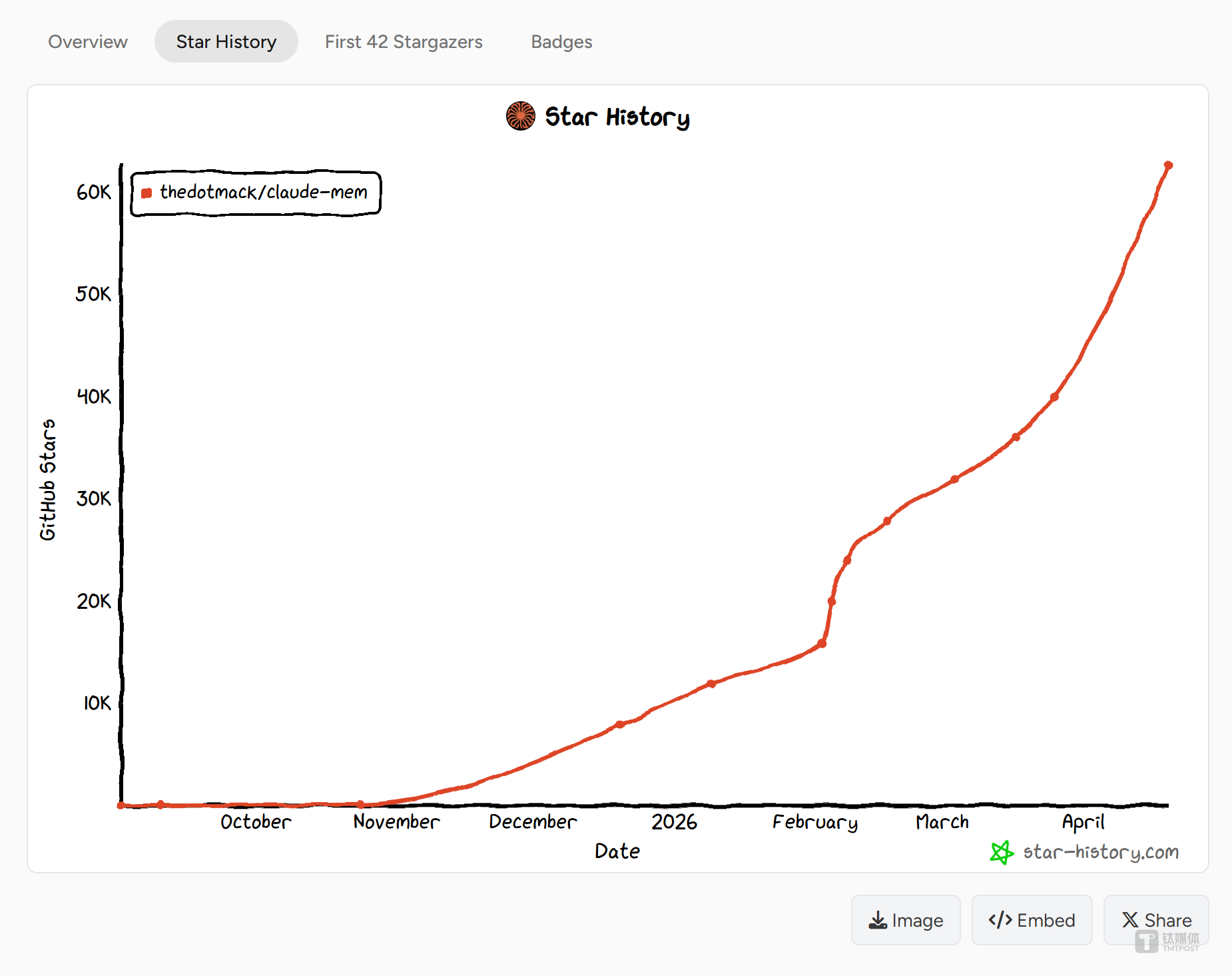
💡Viral Claude-mem cracks open AI firms' monetization – free tool changes LLM game.
⚡ 30-Second TL;DR
What Changed
Claude-mem open-source plugin goes viral
Why It Matters
Empowers developers with free memory tools, pressuring proprietary models to innovate or lower prices.
What To Do Next
Install Claude-mem via npm to add memory persistence to your Claude apps.
Who should care:Developers & AI Engineers
Key Points
- •Claude-mem open-source plugin goes viral
- •Exposes hidden revenue models of AI giants
- •Single code line threatens big model economics
🧠 Deep Insight
AI-generated analysis for this event.
🔑 Enhanced Key Takeaways
- •The Claude-mem plugin functions by intercepting and logging API calls between the Claude interface and the backend, revealing hidden 'system prompt' instructions that force models to prioritize specific affiliate links or premium service upselling.
- •Security researchers identified that the plugin exploits a vulnerability in how browser-based AI extensions handle local storage, allowing it to scrape 'memory' caches that contain proprietary user-interaction data intended for model fine-tuning.
- •Major AI providers have responded by updating their Terms of Service to explicitly ban 'memory-scraping' extensions, citing data privacy concerns while simultaneously moving to encrypt the local storage of their web-based interfaces.
🛠️ Technical Deep Dive
- •The plugin utilizes a man-in-the-middle (MITM) proxy approach within the browser environment to intercept WebSocket traffic between the client and the LLM provider's API endpoints.
- •It specifically targets the 'memory' or 'persistent context' storage objects (often stored in IndexedDB or localStorage) that AI platforms use to maintain session continuity.
- •The 'single line of code' refers to a specific hook injected into the browser's fetch API, which logs the JSON payload of the model's response before it is rendered in the UI, exposing hidden system instructions (system prompts) that dictate monetization behavior.
🔮 Future ImplicationsAI analysis grounded in cited sources
Browser-based AI extensions will face mandatory sandboxing requirements.
AI companies will lobby browser vendors to restrict extension access to the DOM and storage of specific AI-related domains to prevent similar data leakage.
AI providers will shift to server-side memory management.
To prevent client-side scraping, companies will move all persistent user memory to encrypted server-side databases, rendering local browser storage obsolete for AI context.
⏳ Timeline
2026-03
Claude-mem plugin released as an open-source project on GitHub.
2026-04
Viral spread of the plugin leads to widespread discovery of hidden monetization prompts.
📰
Weekly AI Recap
Read this week's curated digest of top AI events →
👉Related Updates

AI-curated news aggregator. All content rights belong to original publishers.
Original source: 钛媒体 ↗