Chinese Robots Take the Global Top Five
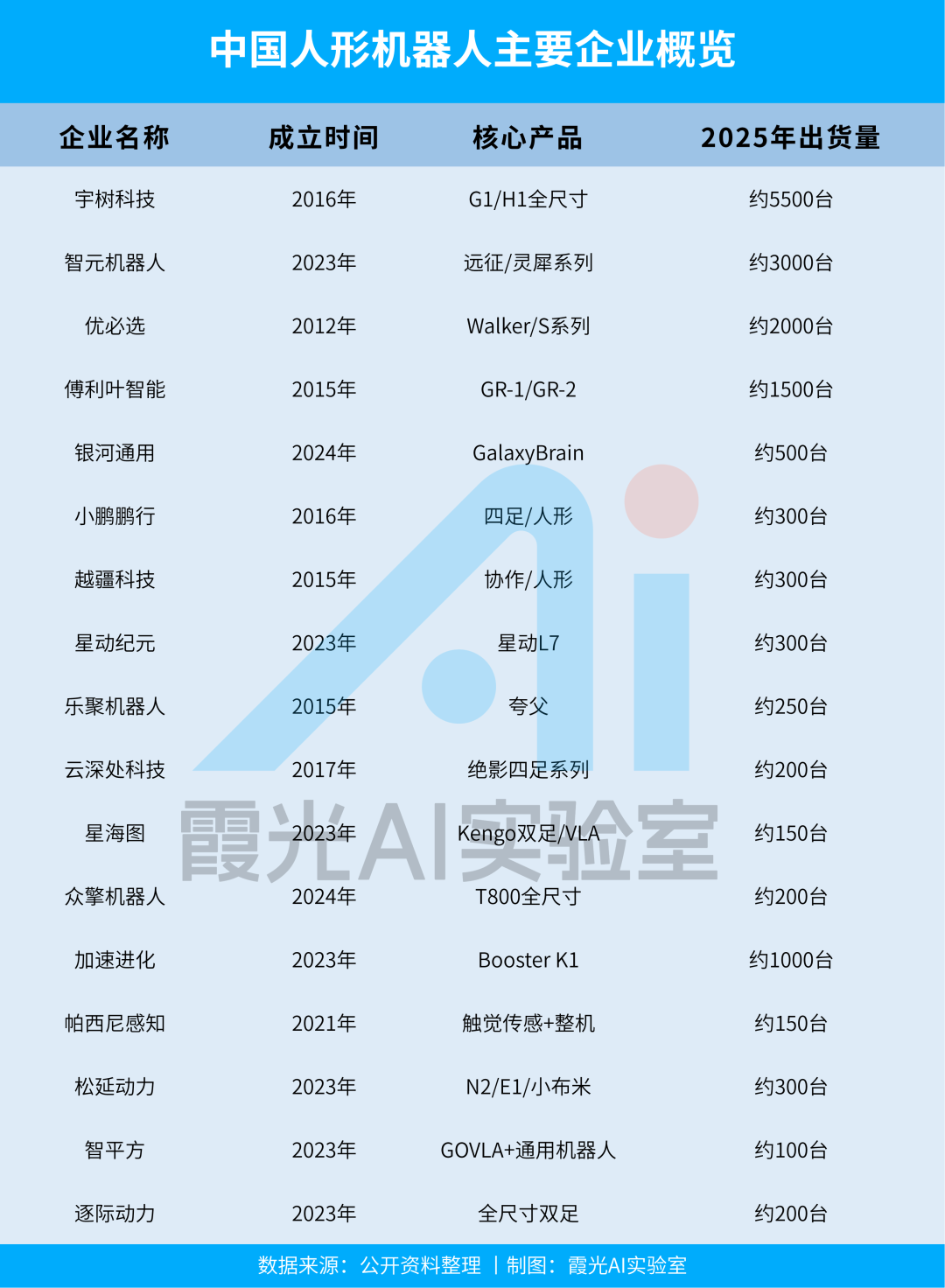
See why Chinese robotics—not Tesla's promises—may be setting the pace for embodied AI exports.
30-Second TL;DR
What Changed
Chinese robotics companies are described as occupying multiple positions among the global top five.
Why It Matters
Greater global adoption of Chinese robots could accelerate competition in embodied AI, manufacturing automation, and service robotics. AI builders should monitor hardware availability and deployment ecosystems, not only frontier-model announcements.
What To Do Next
Compare available Chinese robot platforms with Tesla's announced capabilities on manipulation, autonomy, SDK access, and deployment cost before selecting an embodied-AI partner.
Key Points
- •Chinese robotics companies are described as occupying multiple positions among the global top five.
- •Tesla's robotics progress is contrasted with the current commercial and international momentum of Chinese firms.
- •Robotics is becoming an important category in China's technology exports and industrial competition.
Deep Insight
AI-generated analysis for this event — not the original article.
Enhanced Key Takeaways
- •Chinese industrial robot manufacturers, such as Estun and Inovance, have significantly increased their market share by leveraging domestic supply chain integration to reduce costs by 20-30% compared to legacy international incumbents.
- •The surge in Chinese robotics exports is heavily supported by the 'New Three' (electric vehicles, lithium batteries, and solar products) industrial policy, which mandates high levels of automation in domestic manufacturing facilities.
- •While Tesla's Optimus project focuses on general-purpose humanoid utility, Chinese firms are prioritizing specialized 'embodied AI' for manufacturing, logistics, and hazardous environment tasks to ensure immediate commercial viability.
- •Chinese robotics companies are increasingly adopting open-source ROS 2 (Robot Operating System) frameworks and proprietary AI-driven motion control algorithms to bridge the performance gap with Japanese and European competitors.
- •Geopolitical trade restrictions and tariffs on Chinese-made industrial machinery have prompted leading Chinese robotics firms to establish assembly plants in Southeast Asia and Mexico to maintain global market access.
Competitor Analysis
- Chinese Industrial Robots (e.g., Estun)
- High-volume manufacturing
- Tesla Optimus (Humanoid)
- General-purpose labor
- Legacy Incumbents (Fanuc/ABB)
- Precision/Reliability
- Chinese Industrial Robots (e.g., Estun)
- Competitive (Mid-range)
- Tesla Optimus (Humanoid)
- TBD (Targeting <$20k)
- Legacy Incumbents (Fanuc/ABB)
- Premium
- Chinese Industrial Robots (e.g., Estun)
- Immediate (Factory floor)
- Tesla Optimus (Humanoid)
- R&D/Pilot phase
- Legacy Incumbents (Fanuc/ABB)
- Established (Global)
- Chinese Industrial Robots (e.g., Estun)
- Supply chain integration
- Tesla Optimus (Humanoid)
- AI/Neural network scaling
- Legacy Incumbents (Fanuc/ABB)
- Proven longevity
| Feature | Chinese Industrial Robots (e.g., Estun) | Tesla Optimus (Humanoid) | Legacy Incumbents (Fanuc/ABB) |
|---|---|---|---|
| Primary Focus | High-volume manufacturing | General-purpose labor | Precision/Reliability |
| Pricing | Competitive (Mid-range) | TBD (Targeting <$20k) | Premium |
| Deployment | Immediate (Factory floor) | R&D/Pilot phase | Established (Global) |
| Key Strength | Supply chain integration | AI/Neural network scaling | Proven longevity |
Technical Deep Dive
- Utilization of high-torque density frameless motors and harmonic drives manufactured domestically to bypass reliance on imported components.
- Integration of edge-computing modules for real-time path planning and collision avoidance without cloud latency.
- Adoption of vision-language models (VLMs) for semantic understanding of unstructured factory environments.
- Implementation of digital twin technology for predictive maintenance and remote fleet management.
Future ImplicationsAI analysis grounded in cited sources
Timeline
- 2021-03China's 14th Five-Year Plan identifies robotics as a core strategic industry for national manufacturing upgrades.
- 2023-01Ministry of Industry and Information Technology (MIIT) releases the 'Robot + Application' action plan to accelerate industrial integration.
- 2024-11Chinese robotics firms report record-breaking export volumes to emerging markets in Southeast Asia and Latin America.
- 2025-06Major Chinese robotics manufacturers achieve full domestic sourcing for core components like controllers and servo motors.
- 2026-02Chinese robotics industry reaches a new milestone in global market share, securing multiple spots in the top five rankings.
Weekly AI Recap
Read this week's curated digest of top AI events →
AI-curated news aggregator. All content rights belong to original publishers.
Original source: 钛媒体 ↗
This is a summary, not the original. Read the source, or get the weekly briefing.
The weekly digest
One email a week. Unsubscribe anytime.