Chinese EV brands successfully move upmarket
💡Learn how software-defined product strategies are disrupting the traditional luxury automotive market.
⚡ 30-Second TL;DR
What Changed
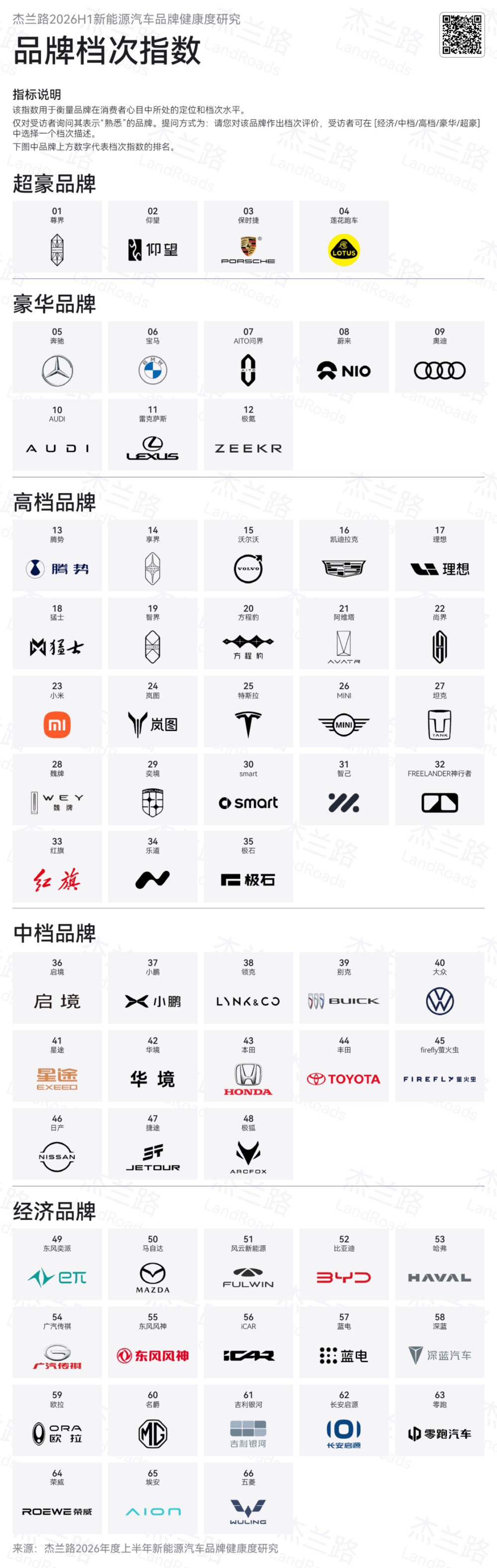
Chinese EV brands are achieving average transaction prices competitive with BBA (Mercedes, BMW, Audi).
Why It Matters
The automotive industry is undergoing a structural shift where software-defined features and user experience are replacing historical brand heritage as the primary luxury value proposition.
What To Do Next
Analyze the 'tech-stack' features (e.g., ADAS, smart cockpit) of top-selling Chinese EVs to understand the new benchmarks for luxury product differentiation.
Key Points
- •Chinese EV brands are achieving average transaction prices competitive with BBA (Mercedes, BMW, Audi).
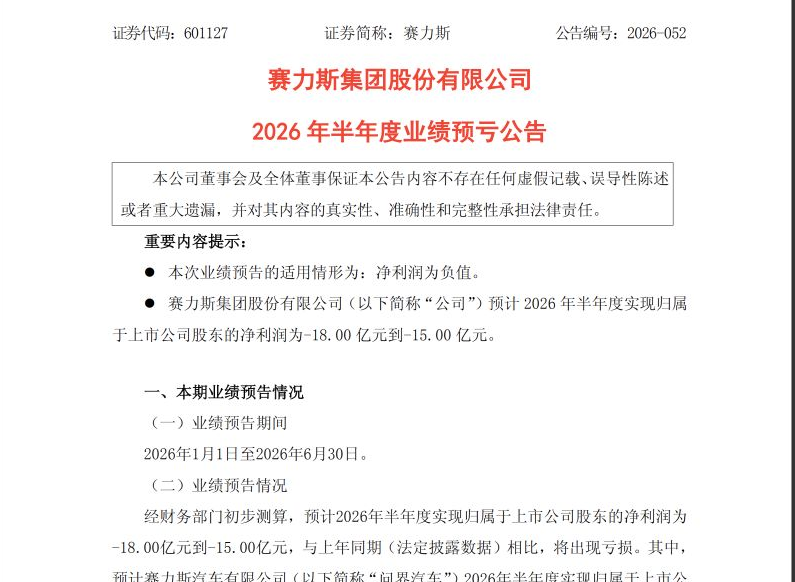
- •Traditional luxury brands are experiencing a collapse in premium pricing, exemplified by the massive discounts on Jaguar Land Rover models.
- •Success is driven by 'tech-stack' differentiation and high-end, volume-selling models like AITO M9 and NIO ES8.
- •The market is shifting from brand-prestige-driven sales to product-experience-driven sales.
🧠 Deep Insight
AI-generated analysis for this event.
🔑 Enhanced Key Takeaways
- •The 'BBA' (Benz, BMW, Audi) market share in China's premium segment dropped below 50% for the first time in 2025, signaling a permanent structural shift in consumer preference toward domestic NEVs.
- •Chinese premium EV brands are increasingly utilizing 'Software-Defined Vehicle' (SDV) architectures that allow for OTA updates that significantly improve chassis dynamics and battery management, features traditional luxury ICE vehicles cannot replicate.
- •The rise of 'Smart Cockpit' ecosystems, such as Huawei's HarmonyOS in AITO vehicles, has created a high switching cost for consumers who now prioritize smartphone-to-car integration over traditional brand heritage.
- •Chinese manufacturers are aggressively expanding into the 'ultra-luxury' segment (800k+ RMB) with models like the Yangwang U8, effectively bypassing the traditional luxury price ceiling that previously constrained domestic brands.
- •Data indicates that the resale value of premium Chinese EVs has stabilized, narrowing the gap with BBA models, which was previously the primary barrier to entry for domestic luxury vehicles.
📊 Competitor Analysis▸ Show
| Feature | AITO M9 (Huawei) | Mercedes-Benz EQS | Zeekr 009 | BMW i7 |
|---|---|---|---|---|
| Core Tech | HarmonyOS / ADS 3.0 | MBUX | ZEEKR OS / Mobileye | iDrive 8.5 |
| Pricing (RMB) | ~470k - 570k | ~800k - 1.3M | ~450k - 600k | ~900k - 1.5M |
| Key Benchmark | Smart Driving / Cabin | Brand Heritage | Luxury MPV Comfort | Driving Dynamics |
🛠️ Technical Deep Dive
- AITO M9 utilizes the Tuling Intelligent Chassis, which integrates air suspension with LiDAR-based road surface scanning to adjust damping in milliseconds.
- NIO's ES8 employs a dual-motor AWD architecture with a silicon carbide (SiC) power module, increasing powertrain efficiency by approximately 4-6% compared to traditional IGBT modules.
- Zeekr's SEA (Sustainable Experience Architecture) allows for a modular battery pack design that supports 800V high-voltage fast charging, enabling a 10-80% charge in under 15 minutes.
- Huawei ADS 3.0 (Advanced Driving System) utilizes a 'God's Eye' perception network, combining BEV (Bird's Eye View) + Transformer + Occupancy Grid to handle complex urban navigation without relying on high-definition maps.
🔮 Future ImplicationsAI analysis grounded in cited sources
⏳ Timeline
Weekly AI Recap
Read this week's curated digest of top AI events →
👉Related Updates


AI-curated news aggregator. All content rights belong to original publishers.
Original source: 虎嗅 ↗