Chinese developers file antitrust complaint against Apple App Store
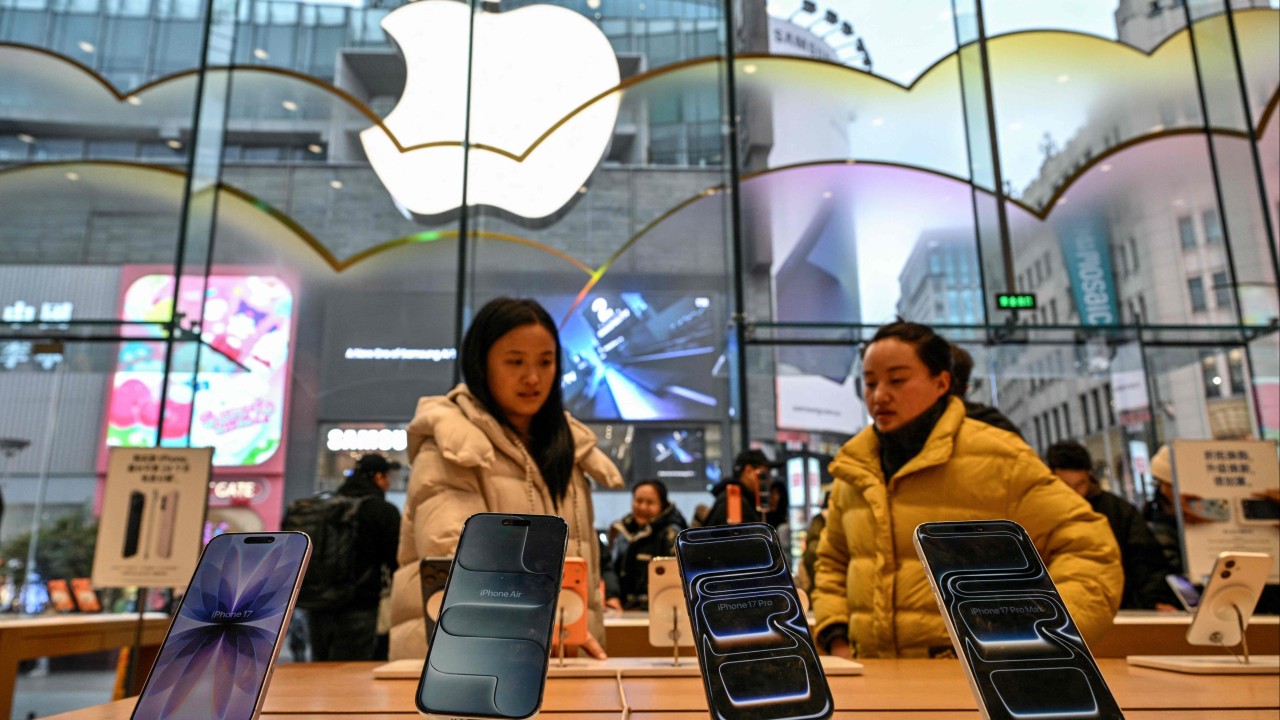
Understand how shifting antitrust regulations in China could impact your app's revenue and distribution strategy.
30-Second TL;DR
What Changed
48 Chinese iOS developers filed a formal complaint with the State Administration for Market Regulation.
Why It Matters
This complaint could lead to increased regulatory scrutiny of Apple's platform policies in China, potentially forcing changes to their revenue model. For AI developers, it highlights the ongoing friction between platform gatekeepers and third-party app ecosystems.
What To Do Next
Review your app's dependency on Apple's in-app purchase (IAP) system and evaluate alternative billing strategies if you operate in highly regulated markets.
Key Points
- •48 Chinese iOS developers filed a formal complaint with the State Administration for Market Regulation.
- •The dispute centers on allegedly unfair commission rates charged within the Apple ecosystem.
- •Developers claim Apple failed to uphold commitments regarding competitive pricing for the Chinese market.
Deep Insight
AI-generated analysis for this event — not the original article.
Enhanced Key Takeaways
- •The complaint specifically targets Apple's 'Apple Tax,' which ranges from 15% to 30% on in-app purchases, arguing it violates China's Anti-Monopoly Law.
- •Developers allege that Apple's practice of forcing the use of its proprietary In-App Purchase (IAP) system prevents them from utilizing cheaper, third-party payment gateways common in China like WeChat Pay or Alipay.
- •This legal action follows a broader trend of increased regulatory scrutiny by the State Administration for Market Regulation (SAMR) regarding 'pick one of two' practices and ecosystem lock-in.
- •The group of 48 developers includes several prominent domestic gaming and software firms that have previously voiced concerns about Apple's lack of transparency in fee structures compared to other global markets.
- •Legal experts suggest this filing is strategically timed to coincide with ongoing discussions in Beijing regarding the regulation of foreign digital platforms and data sovereignty.
Competitor Analysis
- Apple App Store
- 15% - 30%
- Google Play Store (China)
- 15% - 30%
- Domestic Android Stores (e.g., Huawei, Xiaomi)
- Typically 0% - 50% (Highly Negotiable)
- Apple App Store
- Mandatory IAP
- Google Play Store (China)
- Mandatory Billing
- Domestic Android Stores (e.g., Huawei, Xiaomi)
- Open (Supports 3rd Party)
- Apple App Store
- Closed (Walled Garden)
- Google Play Store (China)
- Restricted
- Domestic Android Stores (e.g., Huawei, Xiaomi)
- Open/Fragmented
| Feature | Apple App Store | Google Play Store (China) | Domestic Android Stores (e.g., Huawei, Xiaomi) |
|---|---|---|---|
| Commission Rate | 15% - 30% | 15% - 30% | Typically 0% - 50% (Highly Negotiable) |
| Payment System | Mandatory IAP | Mandatory Billing | Open (Supports 3rd Party) |
| Ecosystem Control | Closed (Walled Garden) | Restricted | Open/Fragmented |
Future ImplicationsAI analysis grounded in cited sources
Timeline
- 2021-04SAMR concludes its investigation into Alibaba, signaling a tougher stance on platform monopolies.
- 2023-08Apple removes thousands of unlicensed games from the China App Store to comply with local regulations.
- 2024-01Apple updates App Store guidelines in China to allow some developers to link to external payment methods under strict conditions.
- 2026-0648 Chinese iOS developers file a formal antitrust complaint with the SAMR.
Weekly AI Recap
Read this week's curated digest of top AI events →
Related Updates

AI-curated news aggregator. All content rights belong to original publishers.
Original source: SCMP Technology ↗
This is a summary, not the original. Read the source, or get the weekly briefing.
The weekly digest
One email a week. Unsubscribe anytime.