Chinese air conditioner exports to Europe surge amid heatwaves
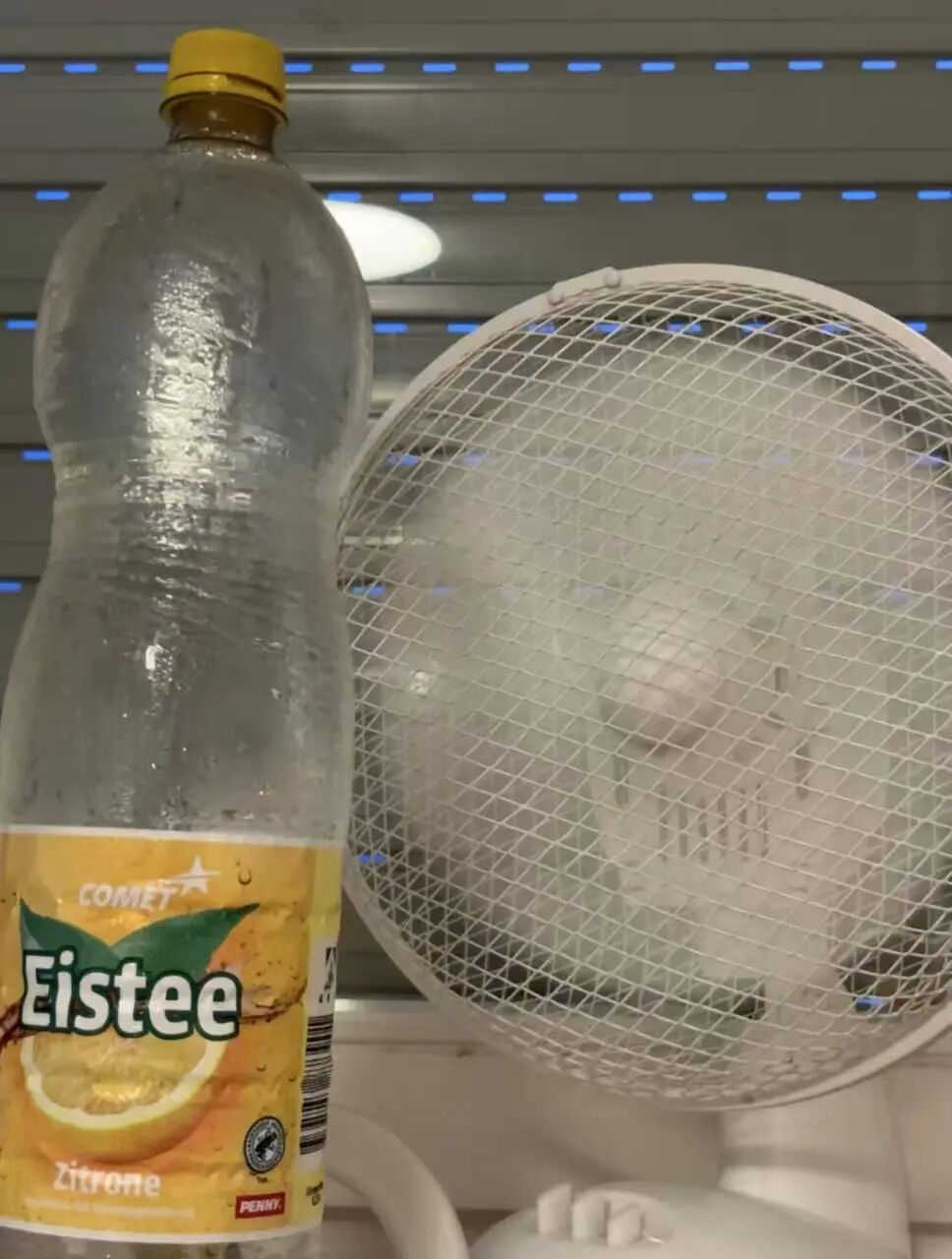
💡Learn how agile manufacturing and supply chain integration capture sudden global market shifts.
⚡ 30-Second TL;DR
What Changed
Chinese air conditioner exports to the EU grew by 43.2% in the first half of the year.
Why It Matters
This trend demonstrates the competitive advantage of Chinese manufacturing in responding to global climate-driven demand spikes through supply chain integration.
What To Do Next
Analyze how your product's supply chain can be optimized for rapid scaling during seasonal demand spikes.
Key Points
- •Chinese air conditioner exports to the EU grew by 43.2% in the first half of the year.
- •Manufacturers are utilizing automated production and optimized logistics to shorten delivery cycles.
- •European retailers are shifting procurement strategies to account for more frequent extreme weather events.
- •Product innovation, such as portable units that don't require wall drilling, is driving consumer adoption.
🧠 Deep Insight
AI-generated analysis for this event — not the original article.
🔑 Enhanced Key Takeaways
- •European regulatory bodies have tightened energy efficiency standards (Ecodesign Directive), forcing Chinese manufacturers to upgrade to high-SEER (Seasonal Energy Efficiency Ratio) inverter technology to maintain market access.
- •The surge in demand has led to a significant increase in 'near-shoring' logistics strategies, with Chinese firms establishing localized warehousing in Poland and Germany to reduce lead times from weeks to days.
- •Chinese manufacturers are increasingly integrating IoT and smart home compatibility (e.g., Matter protocol support) into entry-level portable units to differentiate themselves from legacy European HVAC brands.
- •Rising electricity costs in Europe have shifted consumer preference toward heat pump-enabled air conditioners, which provide both cooling and energy-efficient heating, a segment where Chinese firms hold a dominant cost advantage.
- •The export boom has triggered anti-dumping investigations and increased scrutiny from the European Commission regarding the carbon footprint of manufacturing processes in China.
📊 Competitor Analysis▸ Show
| Feature | Chinese Manufacturers (e.g., Midea, Gree) | European/Japanese Incumbents (e.g., Daikin, Bosch) |
|---|---|---|
| Pricing | Highly competitive (Budget/Mid-range) | Premium (High-end) |
| Supply Chain | Agile, high-volume, rapid iteration | Established, localized, service-heavy |
| Technology | Focus on smart features/portability | Focus on durability/integrated HVAC systems |
| Market Position | Rapidly gaining share in portable/split units | Dominant in commercial/centralized systems |
🛠️ Technical Deep Dive
- Adoption of R290 (Propane) refrigerant: Chinese manufacturers are rapidly transitioning to R290 to comply with EU F-gas regulations, offering lower Global Warming Potential (GWP) compared to traditional R410A.
- Inverter Compressor Optimization: Implementation of DC inverter technology allows for precise frequency control, reducing energy consumption by up to 30% during partial load conditions.
- Noise Reduction Engineering: Utilization of CFD (Computational Fluid Dynamics) to optimize fan blade geometry and airflow paths, achieving noise levels as low as 19-22 dB(A) in quiet modes.
- Smart Connectivity: Integration of Wi-Fi modules supporting cloud-based energy monitoring, allowing users to track real-time power consumption via mobile applications.
🔮 Future ImplicationsAI analysis grounded in cited sources
⏳ Timeline
Weekly AI Recap
Read this week's curated digest of top AI events →
👉Related Updates



AI-curated news aggregator. All content rights belong to original publishers.
Original source: 虎嗅 ↗
This is a summary, not the original. Read the source, or get the weekly briefing.
The weekly digest
One email a week. Unsubscribe anytime.