China's Vocational Education Sees Surge in Popularity
Understand the shifting labor landscape that will supply the technical workforce for future AI-driven industries.
30-Second TL;DR
What Changed
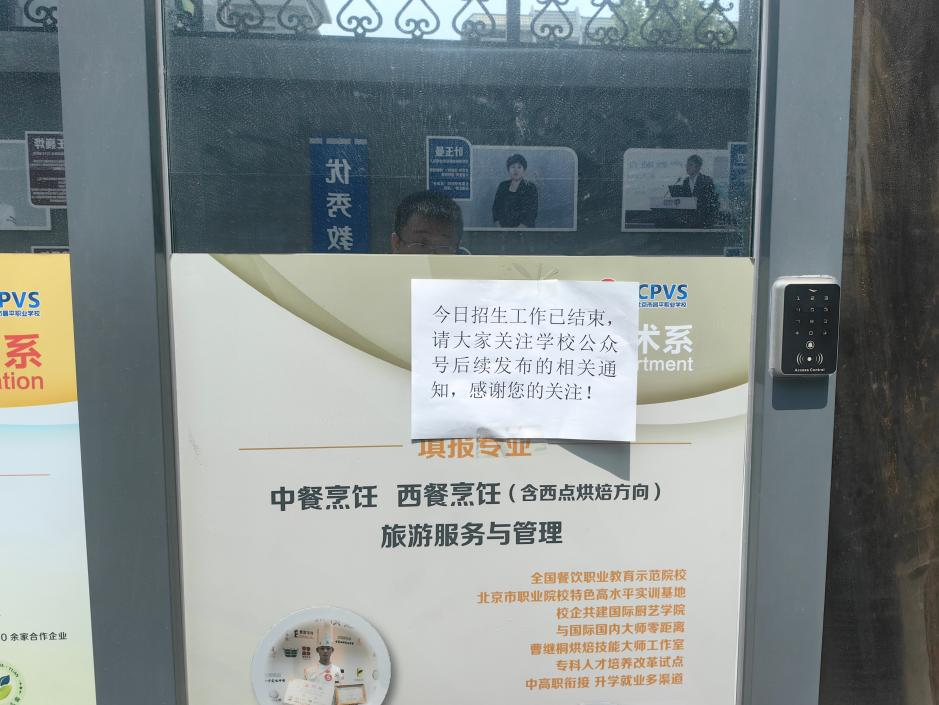
Beijing vocational schools saw enrollment targets met in a single day.
Why It Matters
The shift signals a cultural change in labor perception, potentially increasing the supply of technical talent for AI-integrated manufacturing sectors.
What To Do Next
Analyze local vocational training partnerships if you are building AI-driven industrial automation solutions.
Key Points
- •Beijing vocational schools saw enrollment targets met in a single day.
- •High transition rates to higher education (over 99% in some schools) drive parent interest.
- •National policy aims to expand vocational undergraduate programs to address a 30 million talent gap in manufacturing.
Deep Insight
AI-generated analysis for this event — not the original article.
Enhanced Key Takeaways
- •The 'Vocational Education Law' was significantly revised in 2022 to legally establish that vocational education holds the same status as general education, removing the historical stigma associated with non-academic tracks.
- •The Ministry of Education has introduced the 'Vocational Undergraduate' (Zhiben) degree, allowing students to earn four-year bachelor's degrees directly through vocational institutions, which has been a primary driver for enrollment surges.
- •Local governments are increasingly integrating vocational training with 'Industry-Education Integration' (Chanye Jiaoyu Ronghe) zones, where companies like BYD and Huawei co-design curricula to ensure immediate job placement upon graduation.
- •Data indicates a shift in demographics, with an increasing number of students holding high scores in the Zhongkao (high school entrance exam) voluntarily choosing vocational paths over lower-tier academic high schools.
- •The government has launched a 'Double High Plan' (High-level Vocational Schools and Majors Construction Plan), providing massive fiscal subsidies to top-tier vocational colleges to upgrade equipment and faculty qualifications to match international standards.
Future ImplicationsAI analysis grounded in cited sources
Timeline
- 2019-01State Council releases the National Vocational Education Reform Implementation Plan, signaling a major shift in policy focus.
- 2021-10General Office of the CPC Central Committee and State Council issue opinions on promoting high-quality development of modern vocational education.
- 2022-05The revised Vocational Education Law of the People's Republic of China takes effect, legally elevating vocational education status.
- 2023-06Ministry of Education expands the pilot program for vocational undergraduate education to address high-level technical talent shortages.
- 2025-09National enrollment data shows the first significant year-over-year increase in vocational school applications in major tier-one cities.
Weekly AI Recap
Read this week's curated digest of top AI events →
AI-curated news aggregator. All content rights belong to original publishers.
Original source: 虎嗅 ↗
This is a summary, not the original. Read the source, or get the weekly briefing.
The weekly digest
One email a week. Unsubscribe anytime.