China's rapid expansion of regional airports
Understand the infrastructure shifts in Western China that could influence future logistics and travel AI deployments.
30-Second TL;DR
What Changed
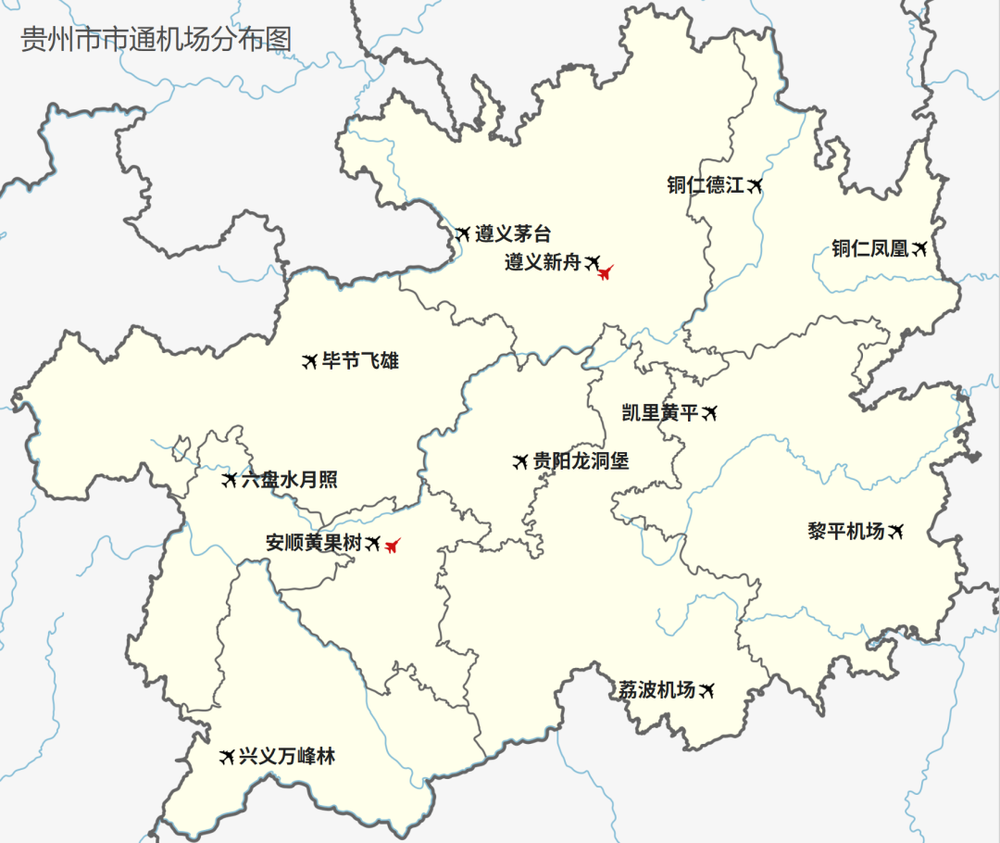
Guizhou has achieved 'airport in every city' status with 12 operating airports.
Why It Matters
The shift toward regional aviation infrastructure creates new opportunities for logistics and tourism-focused AI applications in remote areas.
What To Do Next
Analyze regional flight data to identify underserved markets for potential AI-driven logistics or travel optimization tools.
Key Points
- •Guizhou has achieved 'airport in every city' status with 12 operating airports.
- •Branch airports are prioritized in Western China due to terrain and lower investment costs compared to high-speed rail.
- •The '15th Five-Year Plan' targets further expansion of regional aviation networks to improve connectivity.
Deep Insight
Background and context from public sources — not the original article. 13 sources cited.
Enhanced Key Takeaways
- •During the 13th Five-Year Plan period (2016-2020), China invested approximately 460 billion yuan (about $68.8 billion USD) in civil airport construction, with 50 projects specifically located in western, border, or poverty-stricken regions.
- •The 14th Five-Year Plan (2021-2025) targeted an increase to over 270 civil transport airports by the end of 2025, up from 241 in 2020, and included 140 airport projects encompassing new construction, relocation, renovation, and expansion.
- •Beyond traditional airport expansion, China's 15th Five-Year Plan (2026-2030) designates the 'low-altitude economy' as a strategic priority, aiming to integrate applications like drone logistics, emergency response, and urban air mobility into the national transport system.
- •Historically, China's airport development strategy shifted significantly in 1980 when the Civil Aviation Administration of China (CAAC) was separated from military control, transferring airport operation responsibility to local governments and encouraging local investment in regional airports.
- •Guizhou Province, a key example of regional expansion, has expanded its airport network, with reports indicating 14 to 16 operating airports, surpassing the 12 mentioned in the original article.
Future ImplicationsAI analysis grounded in cited sources
Timeline
- 1980Civil Aviation Administration of China (CAAC) separated from military control, transferring airport operation responsibility to local governments.
- 1996Ninth Five-Year Plan called for the development of 41 major airports, prioritizing Beijing, Guangzhou, and Shanghai as international hubs.
- 2010-09Guiyang Longdongbao International Airport initiated an expansion project after exceeding its design capacity of 5 million passengers per year.
- 2020-12By the end of the 13th Five-Year Plan, China had 241 certified transport airports, with 460 billion yuan invested in civil airport construction during the period (2016-2020).
- 2022-01China unveiled its 14th Five-Year Plan for civil aviation development (2021-2025), targeting over 270 civil transport airports by the end of 2025.
- 2025-10The 15th Five-Year Plan (2026-2030) was approved, designating the low-altitude economy as a strategic priority.
Sources (13)
Factual claims are grounded in the sources below. Forward-looking analysis is AI-generated interpretation.
Weekly AI Recap
Read this week's curated digest of top AI events →
AI-curated news aggregator. All content rights belong to original publishers.
Original source: 虎嗅 ↗
This is a summary, not the original. Read the source, or get the weekly briefing.
The weekly digest
One email a week. Unsubscribe anytime.