China's New Supply Chain Security Investigation Measures Explained
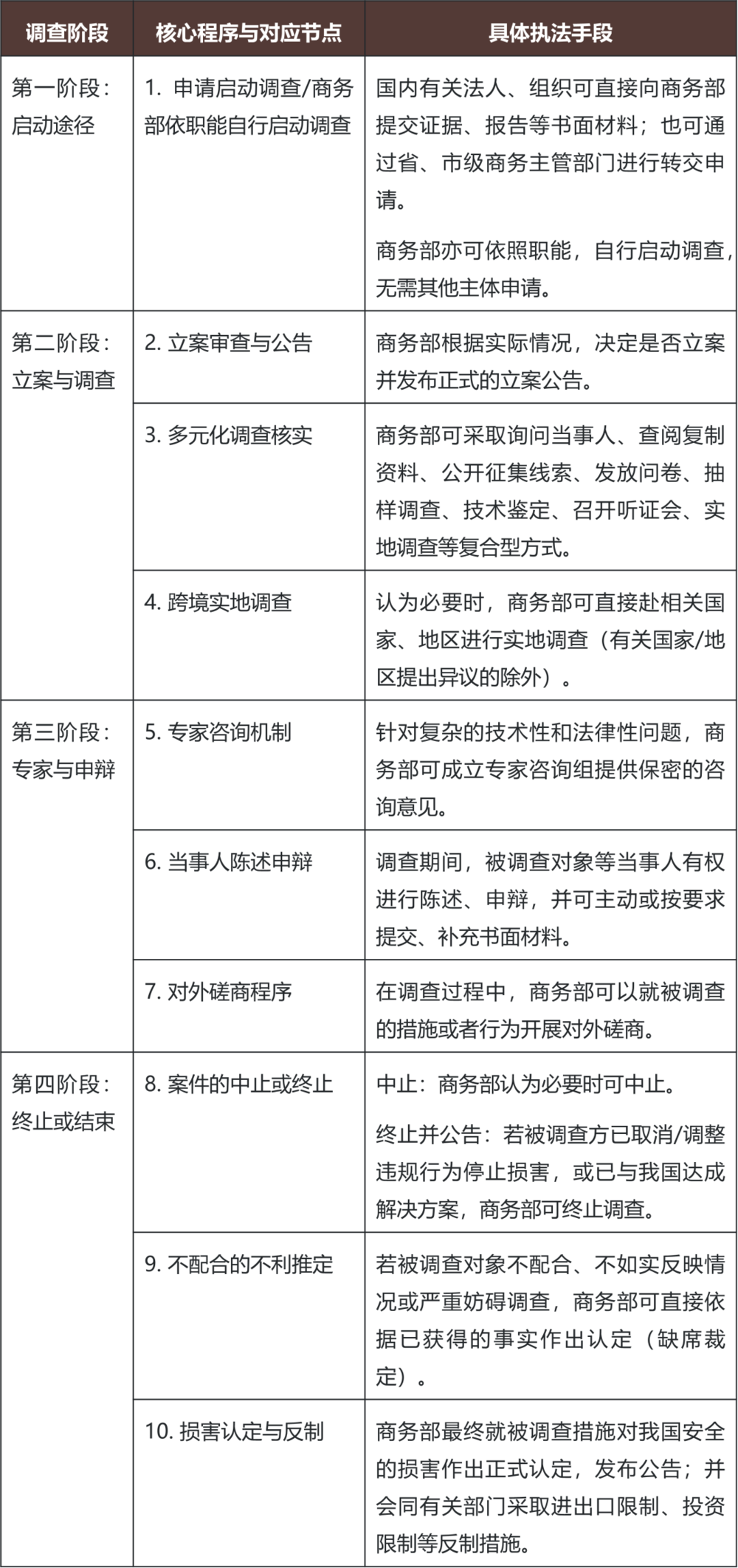
💡Critical regulatory update affecting global tech supply chains and cross-border data/tech operations in China.
⚡ 30-Second TL;DR
What Changed
Establishes a 'substantive harm' assessment system for supply chain security.
Why It Matters
This regulation significantly increases compliance risks for multinational tech companies operating in China, as supply chain disruptions could now trigger formal state investigations and potential trade restrictions.
What To Do Next
Review your cross-border data sharing and critical component sourcing contracts to ensure compliance with new Chinese supply chain security standards.
Key Points
- •Establishes a 'substantive harm' assessment system for supply chain security.
- •Targets foreign entities that disrupt market principles or block critical supply flows.
- •Includes investigative powers like on-site inspections and 'default rulings' for non-compliance.
- •Focuses on protecting core elements like data, technology, and key materials.
🧠 Deep Insight
AI-generated analysis for this event — not the original article.
🔑 Enhanced Key Takeaways
- •The measures are widely interpreted as a direct response to the US-led 'Entity List' and export control regimes, aiming to create a legal counter-leverage mechanism.
- •The regulations introduce a 'Unreliable Entity List' integration, allowing the Ministry of Commerce to restrict trade, investment, and entry for designated foreign firms.
- •The scope explicitly covers 'non-commercial' factors, meaning geopolitical compliance or adherence to foreign sanctions can be cited as grounds for investigation.
- •The framework mandates that affected entities must provide detailed internal documentation, potentially forcing the disclosure of proprietary supply chain mapping and vendor lists.
- •The policy aligns with the 'Dual Circulation' strategy, prioritizing domestic self-reliance by identifying and mitigating dependencies on foreign-controlled critical infrastructure.
🔮 Future ImplicationsAI analysis grounded in cited sources
⏳ Timeline
Weekly AI Recap
Read this week's curated digest of top AI events →
👉Related Updates

AI-curated news aggregator. All content rights belong to original publishers.
Original source: 虎嗅 ↗
This is a summary, not the original. Read the source, or get the weekly briefing.
The weekly digest
One email a week. Unsubscribe anytime.