China’s Humanoid Robots Put on a Wild Show
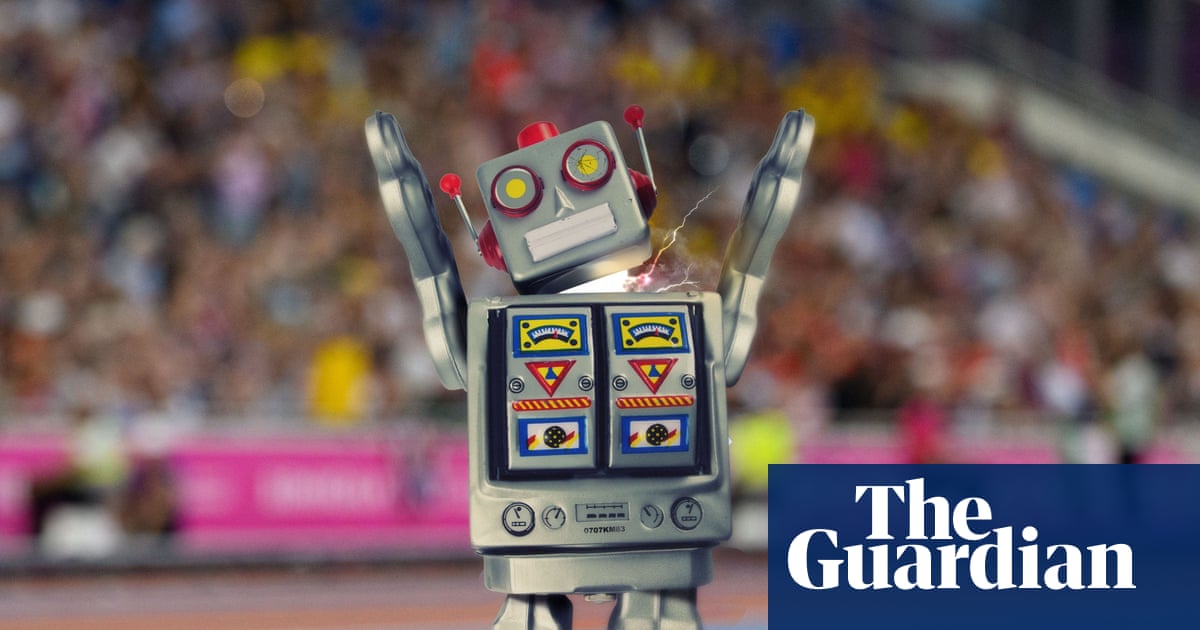
💡China’s robot games reveal both rapid embodied-AI progress and the reliability gaps developers must solve.
⚡ 30-Second TL;DR
What Changed
The games were designed to demonstrate China’s claim to leadership in humanoid robotics.
Why It Matters
For AI practitioners, the event reinforces that embodied AI progress depends on more than impressive demonstrations: balance control, hardware durability, recovery behaviors and safety are equally important. Competitive robotics showcases may accelerate investment, benchmarking and deployment, but unstable real-world performance remains a barrier to commercial adoption.
What To Do Next
Benchmark your humanoid control stack in Isaac Sim or MuJoCo using sprinting, impact recovery and fall-safety scenarios before attempting real-world deployment.
Key Points
- •The games were designed to demonstrate China’s claim to leadership in humanoid robotics.
- •Humanoid robots competed in martial arts, sprinting and team-based events.
- •Some robots reportedly ran faster than Usain Bolt before crashing into a padded wall.
- •Exploding components, sparks, flames and repeated pratfalls exposed major reliability and safety gaps.
- •The showcase suggested China has advanced quickly, while US rivals are emerging from behind.
Weekly AI Recap
Read this week's curated digest of top AI events →
👉Related Updates
AI-curated news aggregator. All content rights belong to original publishers.
Original source: The Guardian Technology ↗
This is a summary, not the original. Read the source, or get the weekly briefing.
Weekly AI briefing
One email a week. Unsubscribe anytime.