China's Digital Clusters: AI to Compute Power
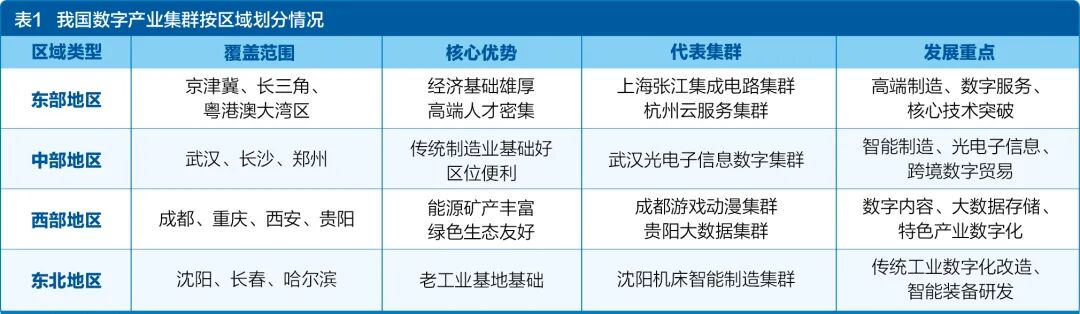
💡China's AI/IC/compute clusters framework + enterprise playbooks revealed
⚡ 30-Second TL;DR
What Changed
Clusters break spatial limits via digital networks; data-driven innovation
Why It Matters
Outlines path for China's digital economy scaling AI/IC/compute clusters, aiding coordinated growth amid global competition.
What To Do Next
Map your AI firm to nearest cluster like Haidian for data/tech collaboration.
Key Points
- •Clusters break spatial limits via digital networks; data-driven innovation
- •Key examples: Haidian AI, Shanghai/Shenzhen IC, Hubei optoelectronics, Guizhou compute
- •Dilemmas: regional non-sync, 'apply-heavy' R&D, data '不敢/不能/不會流'
- •Strategies: Invest in calc/data/tech infra, vertical solutions, cross-cluster collab
- •Regional diffs: East coast tech-led, West energy for compute
🧠 Deep Insight
AI-generated analysis for this event — not the original article.
🔑 Enhanced Key Takeaways
- •The 'East Data, West Computing' (东数西算) project has evolved into a national strategic infrastructure, with Guizhou and Gansu serving as primary hubs for training large-scale AI models, while coastal regions focus on inference and high-value data processing to minimize latency.
- •China's Ministry of Industry and Information Technology (MIIT) has recently implemented 'Digital Industry Cluster' pilot programs that mandate cross-provincial data sharing protocols to mitigate the 'data silos' identified in the article, specifically targeting the integration of industrial IoT data with AI training pipelines.
- •A significant shift in R&D funding is occurring, moving away from pure software-based AI applications toward 'hard-tech' integration, specifically focusing on domestic high-bandwidth memory (HBM) and advanced packaging technologies to bypass international supply chain restrictions.
🔮 Future ImplicationsAI analysis grounded in cited sources
⏳ Timeline
Weekly AI Recap
Read this week's curated digest of top AI events →
👉Related Updates

AI-curated news aggregator. All content rights belong to original publishers.
Original source: 虎嗅 ↗
This is a summary, not the original. Read the source, or get the weekly briefing.
The weekly digest
One email a week. Unsubscribe anytime.