China's Automotive Racing Industry Strategy
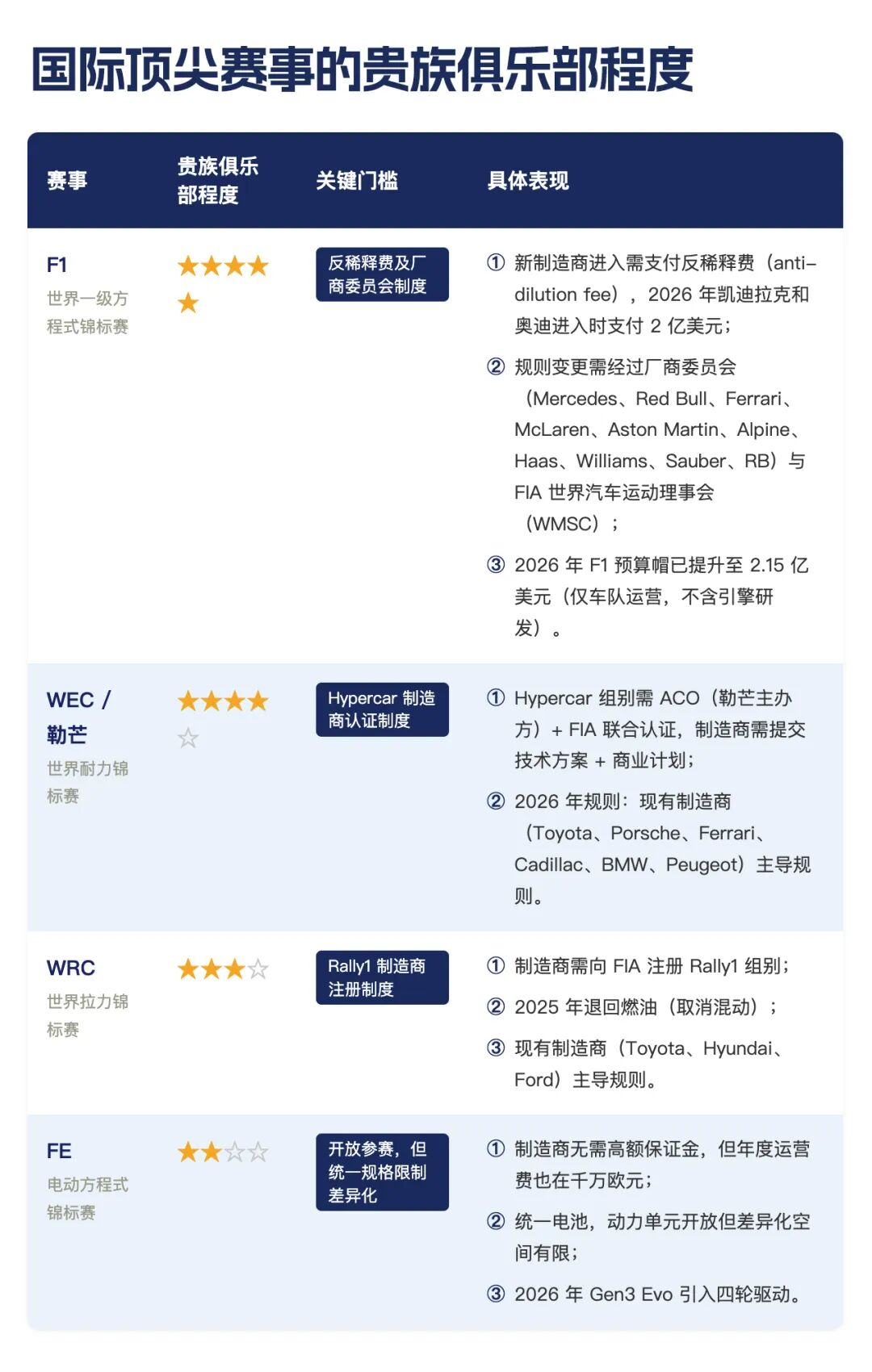
💡Understand the strategic shift in China's automotive industry as it pivots to racing for brand and market growth.
⚡ 30-Second TL;DR
What Changed
Government policy now prioritizes building 'nationally competitive' racing brands.
Why It Matters
The shift toward racing-driven marketing will force Chinese OEMs to invest heavily in specialized R&D and professional racing teams, potentially creating new demand for AI-driven performance analytics and simulation software.
What To Do Next
Explore opportunities to integrate AI-based telemetry and performance optimization tools for Chinese racing teams looking to bridge the technical gap.
Key Points
- •Government policy now prioritizes building 'nationally competitive' racing brands.
- •Structural gaps exist in monetization, car culture depth, and professional talent pipelines.
- •Chinese manufacturers lack the 'heritage' of using racing to build brand equity compared to legacy global brands.
- •The industry is currently fragmented with limited influence on international racing rule-making.
🧠 Deep Insight
AI-generated analysis for this event.
🔑 Enhanced Key Takeaways
- •The Chinese government has integrated 'Motorsport Industry Development' into the 14th Five-Year Plan, specifically targeting the conversion of industrial parks into racing-themed cultural hubs.
- •Recent regulatory shifts have eased restrictions on modifying street-legal vehicles, a critical step to foster the grassroots 'tuner' culture necessary for a sustainable racing ecosystem.
- •Chinese EV manufacturers like BYD and NIO are increasingly utilizing 'Nürburgring lap time' benchmarks as a primary marketing tool to validate high-performance electric powertrain reliability in European markets.
- •The China Automobile Federation (CAMF) has initiated a strategic push to host more FIA-sanctioned events to localize technical officiating and engineering standards.
- •Investment data indicates a pivot toward 'sim-racing' (esports) as a low-barrier entry point to cultivate a younger demographic of professional drivers, bypassing traditional karting infrastructure gaps.
🛠️ Technical Deep Dive
- Integration of high-voltage 800V architectures in Chinese racing prototypes to optimize power-to-weight ratios for endurance events.
- Utilization of proprietary AI-driven telemetry systems that analyze tire degradation and battery thermal management in real-time during track sessions.
- Development of modular chassis platforms specifically designed to accommodate interchangeable electric powertrains for multi-class racing series.
🔮 Future ImplicationsAI analysis grounded in cited sources
⏳ Timeline
Weekly AI Recap
Read this week's curated digest of top AI events →
👉Related Updates

AI-curated news aggregator. All content rights belong to original publishers.
Original source: 虎嗅 ↗