China Telecom invests US$1.7B in 40,000 domestic servers
Understand the scale of China's move toward domestic AI hardware and its impact on global supply chain strategies.
30-Second TL;DR
What Changed
China Telecom awarded a US$1.7 billion contract for 40,000 high-performance servers.
Why It Matters
This shift signals a hardening of the domestic supply chain for AI and cloud infrastructure in China. Practitioners should monitor the performance benchmarks of these domestic chips compared to Nvidia alternatives.
What To Do Next
Evaluate the compatibility of your current AI workloads with domestic Chinese server architectures to prepare for potential deployment shifts in the region.
Key Points
- •China Telecom awarded a US$1.7 billion contract for 40,000 high-performance servers.
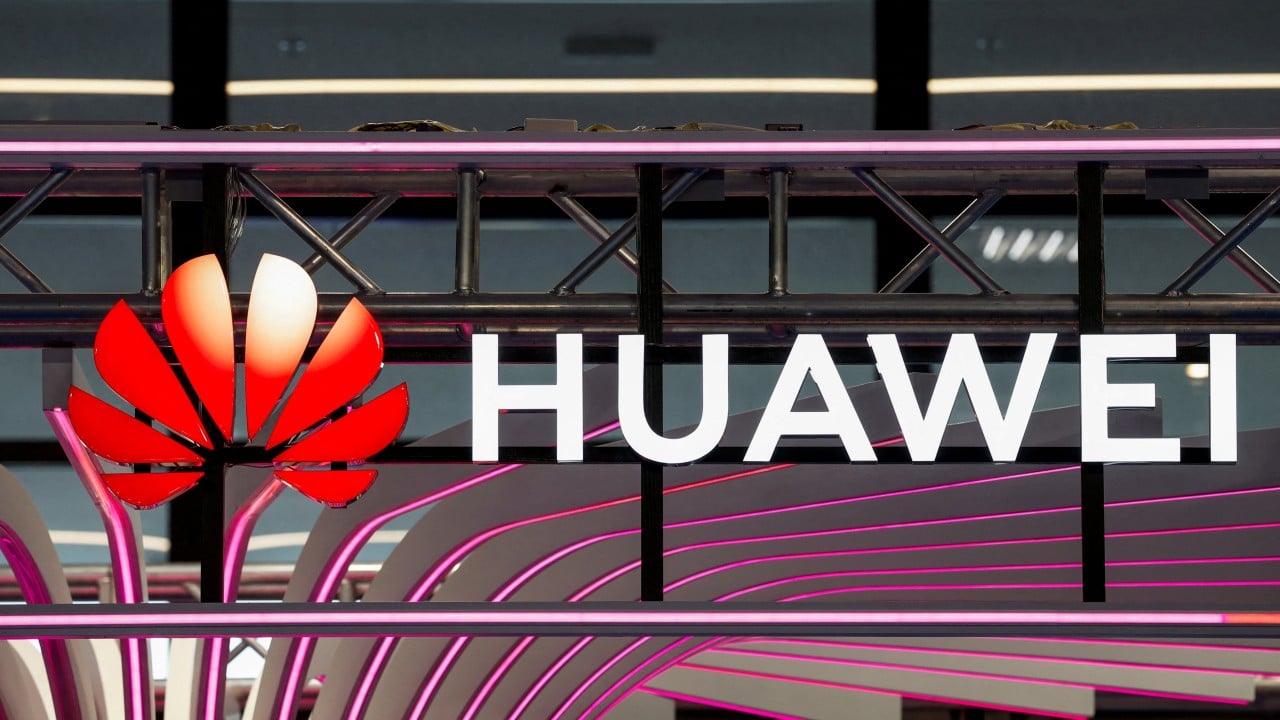
- •Huawei and other domestic CPU chip companies are the primary beneficiaries of the deal.
- •The procurement covers infrastructure needs for 2026 and 2027.
- •The initiative reflects a strategic shift to replace US technology with domestic alternatives.
Deep Insight
AI-generated analysis for this event — not the original article.
Enhanced Key Takeaways
- •The procurement is part of China Telecom's broader 'Cloud-Network Integration' strategy, which aims to transition 80% of its core infrastructure to domestic architectures by 2027.
- •This specific contract emphasizes the adoption of Kunpeng-based servers, utilizing Huawei's ARM-based processors to reduce reliance on x86 architectures from Intel and AMD.
- •The deal includes a significant focus on AI-ready infrastructure, specifically integrating NPU (Neural Processing Unit) clusters to support the training of large language models (LLMs) for state-backed enterprise applications.
- •Regulatory pressure from the State-owned Assets Supervision and Administration Commission (SASAC) has mandated that central state-owned enterprises (SOEs) complete the 'Xinchuang' (IT innovation) localization transition by the end of 2027.
- •The contract structure includes a mandatory 'local service and maintenance' clause, requiring suppliers to provide 24/7 on-site support, effectively excluding foreign vendors who cannot meet these localized operational requirements.
Competitor Analysis
- Huawei Kunpeng/Ascend
- ARMv8/v9
- Intel Xeon (Legacy)
- x86-64
- AMD EPYC (Legacy)
- x86-64
- Huawei Kunpeng/Ascend
- Integrated Ascend NPU
- Intel Xeon (Legacy)
- External GPU/FPGA
- AMD EPYC (Legacy)
- External GPU
- Huawei Kunpeng/Ascend
- Domestic (China)
- Intel Xeon (Legacy)
- US-based
- AMD EPYC (Legacy)
- US-based
- Huawei Kunpeng/Ascend
- OpenEuler/HarmonyOS
- Intel Xeon (Legacy)
- Windows/Linux/Standard
- AMD EPYC (Legacy)
- Windows/Linux/Standard
| Feature | Huawei Kunpeng/Ascend | Intel Xeon (Legacy) | AMD EPYC (Legacy) |
|---|---|---|---|
| Architecture | ARMv8/v9 | x86-64 | x86-64 |
| AI Acceleration | Integrated Ascend NPU | External GPU/FPGA | External GPU |
| Supply Chain | Domestic (China) | US-based | US-based |
| Ecosystem | OpenEuler/HarmonyOS | Windows/Linux/Standard | Windows/Linux/Standard |
Technical Deep Dive
- Servers are primarily based on the Kunpeng 920 and 930 series processors, utilizing a multi-core ARM architecture optimized for high-density cloud computing.
- Integration of Ascend 910B AI accelerators for high-bandwidth, low-latency model training and inference tasks.
- Deployment of the OpenEuler operating system, a domestic Linux distribution, to replace CentOS and other foreign-developed server OS platforms.
- Utilization of high-speed interconnects (HCCS) to facilitate cluster-level communication between server nodes, reducing bottlenecks in distributed AI training.
Future ImplicationsAI analysis grounded in cited sources
Timeline
- 2022-09SASAC issues Document 79, mandating the replacement of foreign IT hardware in state-owned enterprises.
- 2023-05China Telecom announces the 'Cloud-Network Integration 2.0' strategy, prioritizing domestic hardware procurement.
- 2024-11China Telecom completes initial pilot testing of Kunpeng-based server clusters in regional data centers.
- 2025-08China Telecom signs a strategic partnership with Huawei to co-develop AI-optimized server architectures.
Weekly AI Recap
Read this week's curated digest of top AI events →
Related Updates



AI-curated news aggregator. All content rights belong to original publishers.
Original source: SCMP Technology ↗
This is a summary, not the original. Read the source, or get the weekly briefing.
The weekly digest
One email a week. Unsubscribe anytime.