China Music Copyright Tightens on AI
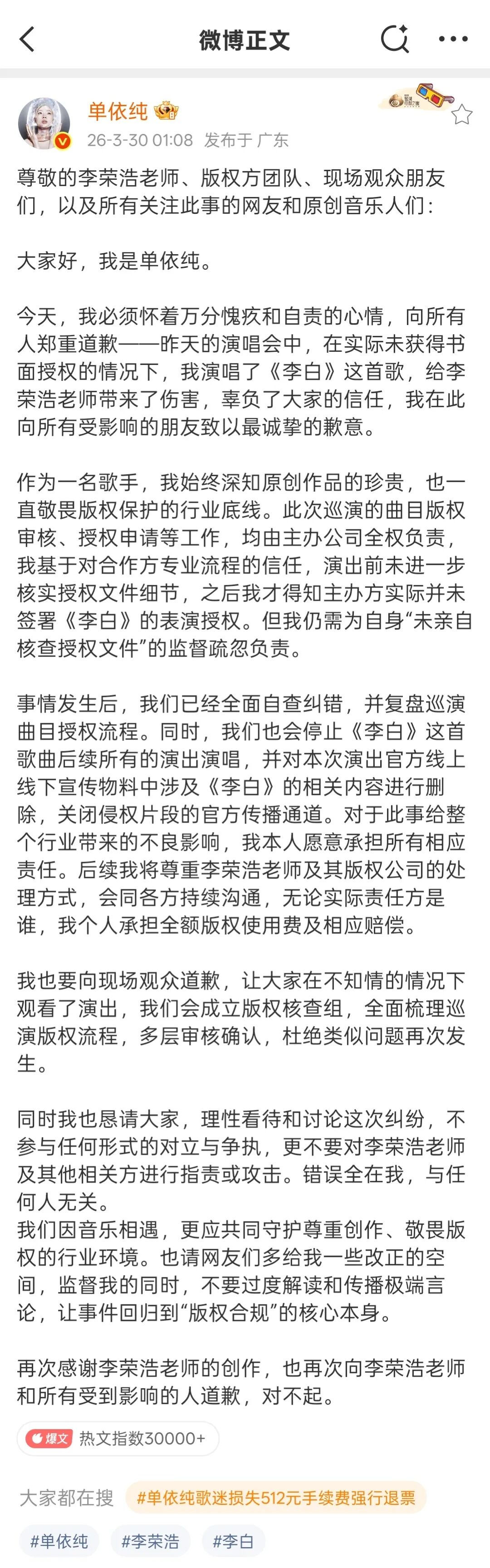
💡China's AI music copyright crackdown—must-know for gen AI audio devs
⚡ 30-Second TL;DR
What Changed
1276 music copyright cases in 2025, focusing on unauthorized flips and performances
Why It Matters
Raises compliance costs for AI music gen/training, forces licensing deals. Platforms face user churn from fee hikes; creators gain from new AI revenue streams.
What To Do Next
Review China's 2025 music copyright regs for AI training data sourcing.
Key Points
- •1276 music copyright cases in 2025, focusing on unauthorized flips and performances
- •New policies: Sword Net 2025, blockchain evidence, AI generation labeling
- •Young artists like Deng Ziqi, Chen Jingfei actively litigate for rights
- •Costs rise for AI music training; platforms add AI/commercial licenses
- •Global pressure: IFPI report notes stricter enforcement in AI/short video
🧠 Deep Insight
AI-generated analysis for this event — not the original article.
🔑 Enhanced Key Takeaways
- •The Cyberspace Administration of China (CAC) has mandated that AI-generated music must include 'watermarked' metadata, enabling automated copyright tracking and preventing unauthorized training on copyrighted catalogs.
- •Major Chinese streaming platforms, including Tencent Music and NetEase Cloud Music, have integrated 'Content ID' style systems that utilize acoustic fingerprinting to automatically block AI-generated covers that mimic specific artist vocal timbres.
- •The 2025 regulatory framework explicitly shifts legal liability from individual creators to platforms if they fail to implement 'reasonable' technical measures to prevent the hosting of infringing AI-generated content.
🛠️ Technical Deep Dive
- •Implementation of 'Acoustic Fingerprinting' (e.g., Shazam-like algorithms) to detect unauthorized vocal cloning in real-time during content ingestion.
- •Deployment of blockchain-based 'Digital Rights Management' (DRM) ledgers to provide immutable timestamps for original musical compositions, facilitating faster litigation.
- •Integration of 'Adversarial Perturbation' techniques in official music releases to make them resistant to unauthorized AI training/scraping.
🔮 Future ImplicationsAI analysis grounded in cited sources
⏳ Timeline
Weekly AI Recap
Read this week's curated digest of top AI events →
👉Related Updates




AI-curated news aggregator. All content rights belong to original publishers.
Original source: 虎嗅 ↗
This is a summary, not the original. Read the source, or get the weekly briefing.
The weekly digest
One email a week. Unsubscribe anytime.