China Leads Anti-Drone Patent Filings
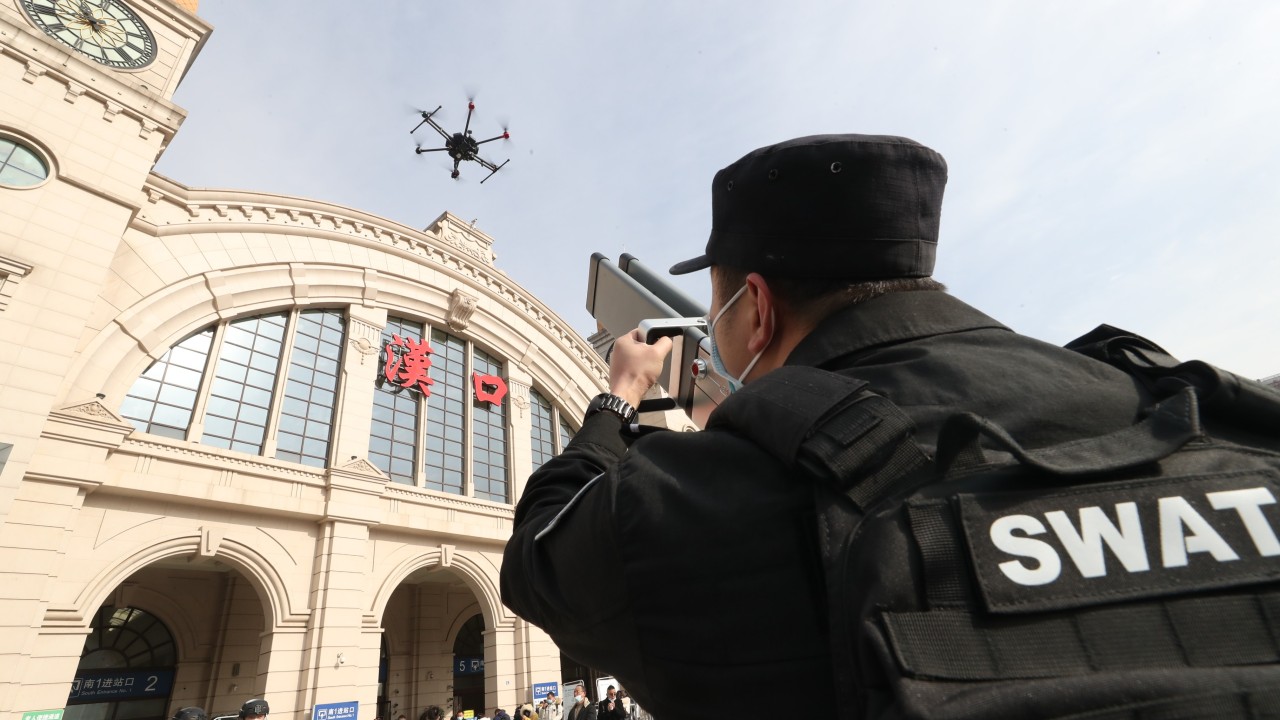
💡China's anti-drone patent lead signals boom in AI/ML for defense detection tech.
⚡ 30-Second TL;DR
What Changed
China filed 82 anti-drone patents, topping global charts.
Why It Matters
China's dominance in anti-drone patents could bolster its edge in AI-driven defense tech, influencing global supply chains and R&D investments. AI practitioners may see opportunities in computer vision and ML for drone detection amid rising geopolitical tensions.
What To Do Next
Search Espacenet for 'anti-drone AI detection' patents from China to inspire CV/ML projects.
Key Points
- •China filed 82 anti-drone patents, topping global charts.
- •US ranked second with 22 filings, South Korea third with 6.
- •Patent applications surged 27% in the past year.
- •Heightened interest from Ukraine/Iran wars and Western sightings.
- •Findings by 115-year-old UK firm Mathys & Squire.
🧠 Deep Insight
Background and context from public sources — not the original article. 7 sources cited.
🔑 Enhanced Key Takeaways
- •Interference and jamming technologies dominate counter-drone innovation with 49 patents filed in 2024-25 (up from 33 previously), representing a strategic shift toward non-kinetic countermeasures that disrupt drone communications rather than destroy them[1][2].
- •China's anti-drone market is projected to grow at 28.1% CAGR from 2025-2030, reaching USD 820.4 million by 2030, with software emerging as the fastest-growing segment despite hardware currently generating 89.7% of revenue[6].
- •European airports have experienced seven major drone-related disruptions since September 2025 (including Brussels and Munich), yet European filers significantly lag in anti-drone patent submissions, indicating a critical innovation gap in regions facing active drone threats[1][2].
- •China's government has systematically incentivized patent filings through financial incentives over the past decade, contributing to its dominance; the country's average invention patent review time has been reduced to 15 months (down from 20 months in 2020)[3][5].
- •Laser-based countermeasures (39 patents) and microwave systems (24 patents) represent the 'next generation' of anti-drone technology after jamming, with experts predicting massive growth in overall patent filings within 1-2 years[1][3].
🛠️ Technical Deep Dive
- •Interference and Jamming: Non-kinetic countermeasures designed to disrupt drone communications and navigation systems; most prevalent innovation category with 49 new patents filed in 2024-25[1][2].
- •Laser-Based Systems: 39 patents filed; example includes China Space Sanjiang Group's laser drone unveiled November 2022 with laser guiding systems capable of destroying low-flying unmanned drones[1][6].
- •Microwave Countermeasures: 24 patents filed; electromagnetic-based approach to disable or neutralize drone operations[1][2].
- •Kinetic Methods: Bullet-based (6 patents), rocket (1 patent), and target-capturing (1 patent) countermeasures represent minority approaches compared to non-kinetic technologies[1][2].
🔮 Future ImplicationsAI analysis grounded in cited sources
⏳ Timeline
📎 Sources (7)
Factual claims are grounded in the sources below. Forward-looking analysis is AI-generated interpretation.
- aerospaceglobalnews.com — China Leads Anti Drone Patents Surge
- eplaneai.com — China Leads As Counter Drone Patent Filings Increase 27
- thestar.com.my — Beijing Tops Anti Drone Patent League Study Reveals
- worldipreview.com — Drone Patents Granted Worldwide Jump 18
- english.cnipa.gov.cn — Art 3090 203578
- grandviewresearch.com — China
- macaubusiness.com — China Leads in Patents on Anti Drone Tech Study 2
Weekly AI Recap
Read this week's curated digest of top AI events →
👉Related Updates
AI-curated news aggregator. All content rights belong to original publishers.
Original source: SCMP Technology ↗
This is a summary, not the original. Read the source, or get the weekly briefing.
Weekly AI briefing
One email a week. Unsubscribe anytime.