China Buys or Steals US AI Tech in Race
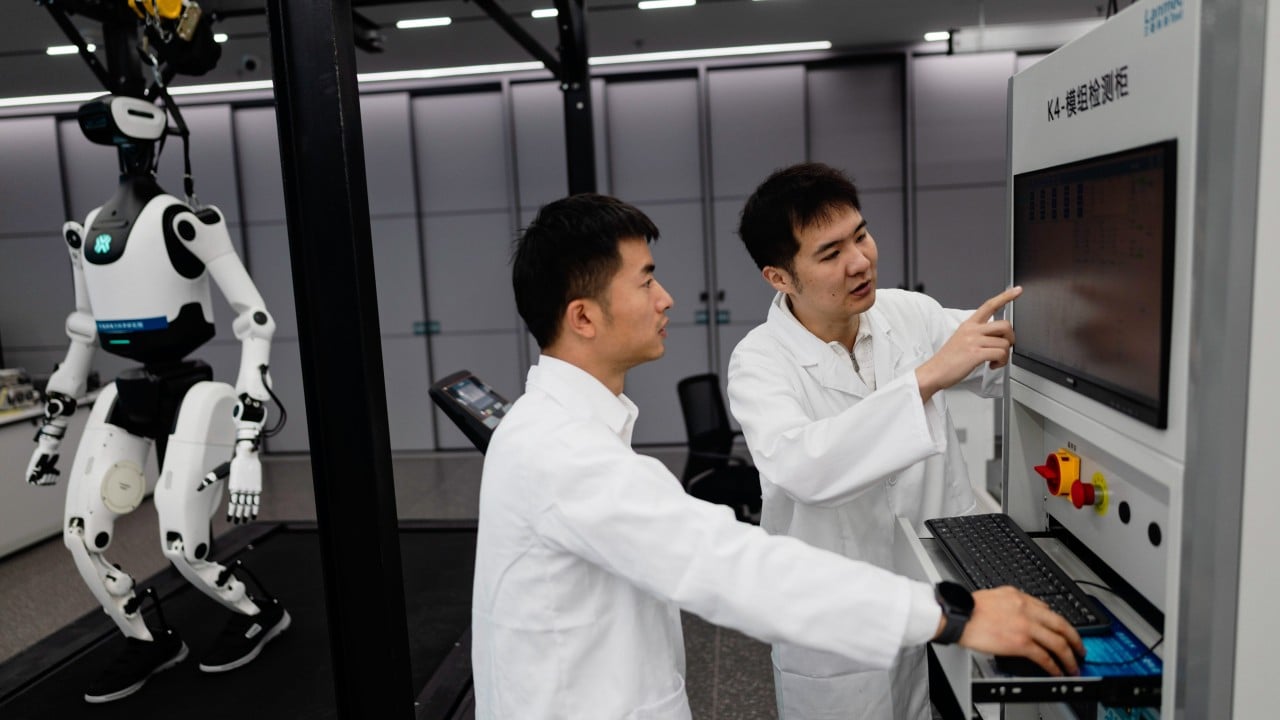
💡Congress warns China steals US AI tech—review your IP & policy risks now.
⚡ 30-Second TL;DR
What Changed
China buys what it can and steals what it cannot from US tech for AI
Why It Matters
Heightened US-China tensions may spur stricter export controls and IP enforcement, limiting global AI tool access. US practitioners could face talent shortages from immigration curbs. Companies should bolster cybersecurity against theft risks.
What To Do Next
Audit your AI project's IP exposure and implement advanced data encryption protocols.
Key Points
- •China buys what it can and steals what it cannot from US tech for AI
- •Congressional experts highlight China's dependence on US AI tech stack
- •US immigration and research policies warned to hinder innovation
🧠 Deep Insight
AI-generated analysis for this event — not the original article.
🔑 Enhanced Key Takeaways
- •The US Department of Commerce has expanded export controls on advanced AI chips, specifically targeting high-bandwidth memory (HBM) and specialized interconnects to disrupt China's ability to cluster GPUs for large-scale model training.
- •Intelligence reports indicate a shift in Chinese strategy toward 'civil-military fusion' in AI, where private research labs are increasingly mandated to share breakthroughs with state-backed defense entities to bypass civilian-use export restrictions.
- •Academic collaboration between US universities and Chinese institutions has plummeted by over 40% since 2023, as federal funding agencies implement stricter 'foreign influence' disclosure requirements, creating a talent bottleneck in foundational AI research.
🔮 Future ImplicationsAI analysis grounded in cited sources
⏳ Timeline
Weekly AI Recap
Read this week's curated digest of top AI events →
👉Related Updates
AI-curated news aggregator. All content rights belong to original publishers.
Original source: SCMP Technology ↗
This is a summary, not the original. Read the source, or get the weekly briefing.
The weekly digest
One email a week. Unsubscribe anytime.