China Builds Data Factories for Robot Intelligence
💡China’s robot race is becoming a data race—learn where embodied AI’s real bottleneck lies.
⚡ 30-Second TL;DR
What Changed
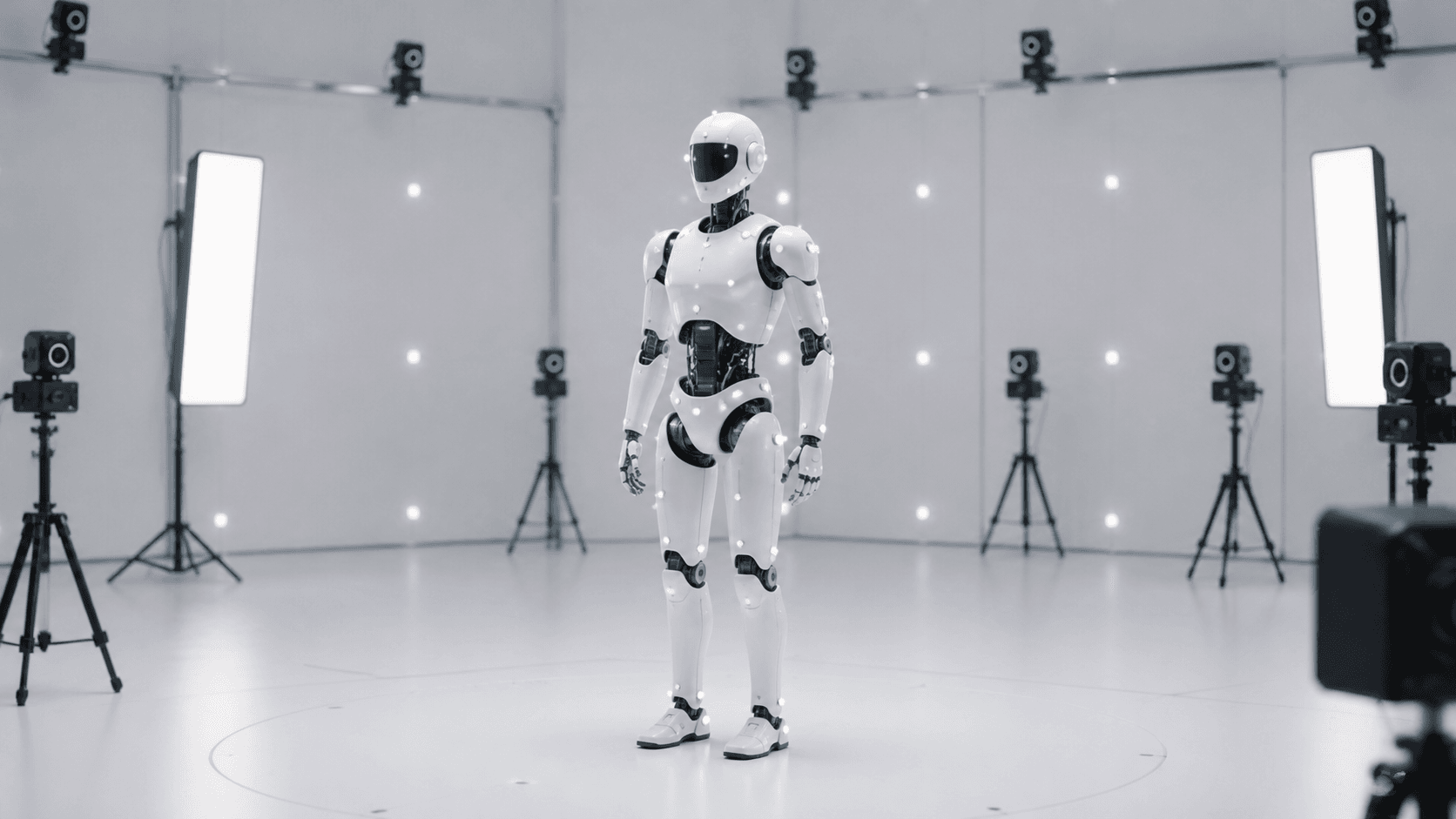
China is reportedly building approximately 90 data factories focused on embodied-intelligence training.
Why It Matters
The bottleneck for embodied AI may increasingly be data scale, diversity, and quality rather than robot hardware alone. Companies developing humanoid or general-purpose robots may need to invest in standardized data pipelines, simulation, and real-world task capture to remain competitive.
What To Do Next
Audit your robotics data pipeline now and identify which real-world tasks, sensor modalities, and failure cases are missing from your training set.
Key Points
- •China is reportedly building approximately 90 data factories focused on embodied-intelligence training.
- •The robotics industry is shifting strategic emphasis from robot hardware to data collection and model training.
- •The available data remains insufficient to train one broadly capable embodied-intelligence brain.
🧠 Deep Insight
Background and context from public sources — not the original article. 8 sources cited.
🔑 Enhanced Key Takeaways
- •Approximately 50% to 70% of all humanoid robots produced in China during 2026 are being deployed specifically for data generation rather than commercial labor.
- •China currently dominates the global humanoid market, shipping over 40,000 units in the first half of 2026, representing 97% of global volume.
- •The 2026 World Robot Conference saw a 69% increase in exhibitor participation compared to 2025, signaling rapid scaling of the domestic robotics ecosystem.
- •Unitree Robotics experienced a 629.44% surge in share price during its A-share market debut, highlighting intense investor appetite for embodied AI infrastructure.
- •Performance evaluation metrics have pivoted from athletic stunts to 21 new scenario-based contests, testing robots in complex environments like pharmacies and hotels.
🛠️ Technical Deep Dive
- Training requirements for general-purpose embodied AI are estimated to necessitate tens of millions of hours of physical-world interaction data.
- Implementation relies on a combination of teleoperation, simulation environments, and physical-world data collection at dedicated training grounds.
- Hardware cost reduction is being driven by supply chain efficiencies in sensors, actuators, and precision components, with a projected 45% cost decrease by 2030.
🔮 Future ImplicationsAI analysis grounded in cited sources
⏳ Timeline
📎 Sources (8)
Factual claims are grounded in the sources below. Forward-looking analysis is AI-generated interpretation.
Weekly AI Recap
Read this week's curated digest of top AI events →
👉Related Updates

AI-curated news aggregator. All content rights belong to original publishers.
Original source: Pandaily ↗
This is a summary, not the original. Read the source, or get the weekly briefing.
Weekly AI briefing
One email a week. Unsubscribe anytime.