🇭🇰SCMP Technology•Stalecollected in 1m
China Brakes Robotaxi Licences After Wuhan Incident
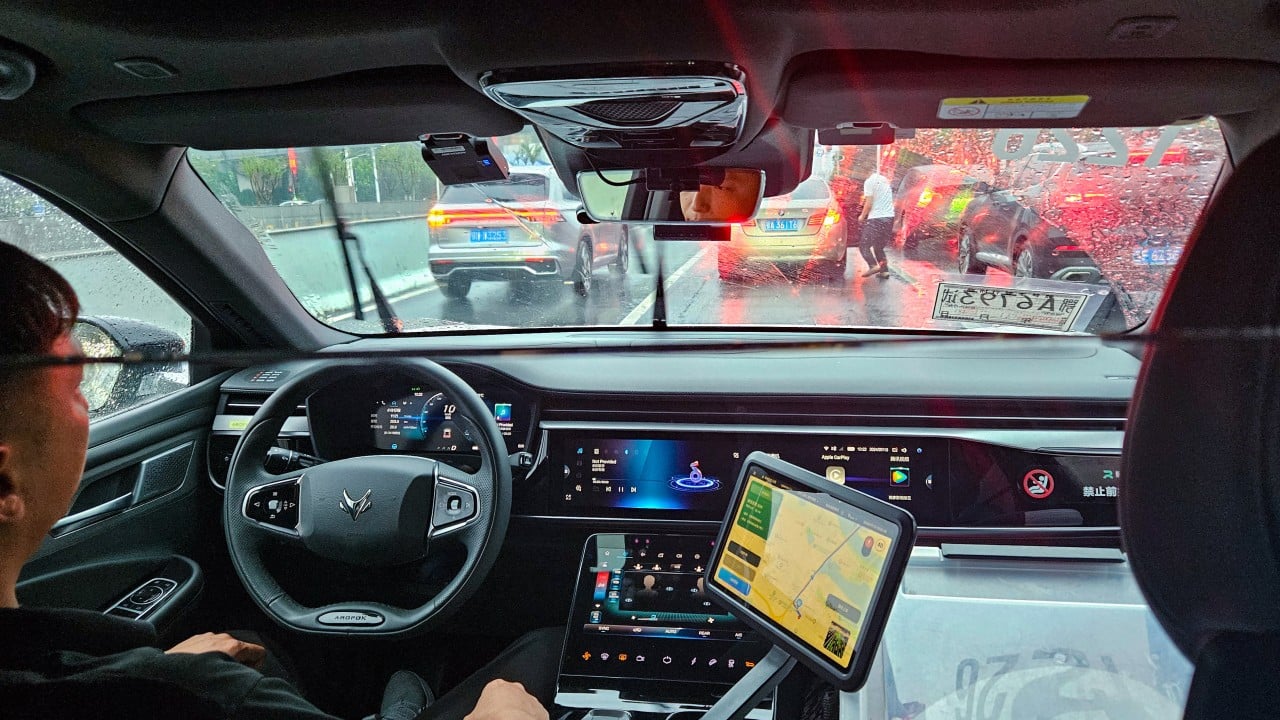
💡China tightens robotaxi rules after safety incident – critical for AV expansion plans
⚡ 30-Second TL;DR
What Changed
Regulators tightening robotaxi licences post-Wuhan incident
Why It Matters
This policy shift signals heightened safety scrutiny in China's robotaxi market, potentially delaying rollouts for operators like Baidu Apollo Go. AI/AV developers may face stricter compliance hurdles in the world's largest AV testing ground.
What To Do Next
Review your AV fleet's emergency response protocols for Chinese regulatory alignment.
Who should care:Developers & AI Engineers
Key Points
- •Regulators tightening robotaxi licences post-Wuhan incident
- •Wuhan mishap stranded passengers and jammed traffic for hours
- •Scaling back autonomous driving licence issuance
- •Curbs not a complete operational halt
- •Anonymous sources confirm ongoing review
🧠 Deep Insight
AI-generated analysis for this event.
🔑 Enhanced Key Takeaways
- •The regulatory pivot follows a broader trend of 'safety-first' governance in China, where the Ministry of Industry and Information Technology (MIIT) is shifting from rapid pilot expansion to establishing standardized national safety protocols for Level 4 autonomous vehicles.
- •Industry analysts suggest the Wuhan incident involved a 'cascading failure' of the fleet management system, where a localized network latency issue caused multiple vehicles to enter a 'fail-safe' state simultaneously, blocking major intersections.
- •Local municipal governments, previously competing to attract robotaxi firms with lax testing requirements, are now under pressure from central authorities to implement stricter real-time monitoring and mandatory human-in-the-loop intervention capabilities for all commercial fleets.
🔮 Future ImplicationsAI analysis grounded in cited sources
Robotaxi commercialization timelines will be delayed by at least 12 months.
The shift from municipal-level pilot programs to centralized national safety certification will necessitate a comprehensive re-validation of existing autonomous driving stacks.
Mandatory remote-operator ratios will be enforced.
Regulators are likely to mandate a minimum number of human remote-assist operators per active vehicle to prevent future mass-stranding events.
⏳ Timeline
2022-08
Wuhan and Chongqing grant first permits for fully driverless commercial robotaxi operations.
2024-05
Expansion of robotaxi service areas in Wuhan reaches significant scale, covering major urban districts.
2026-04
Wuhan traffic disruption incident triggers regulatory review and licensing slowdown.
📰 Event Coverage
📰
Weekly AI Recap
Read this week's curated digest of top AI events →
👉Related Updates
AI-curated news aggregator. All content rights belong to original publishers.
Original source: SCMP Technology ↗