China Big Tech Races into OpenClaw Frenzy
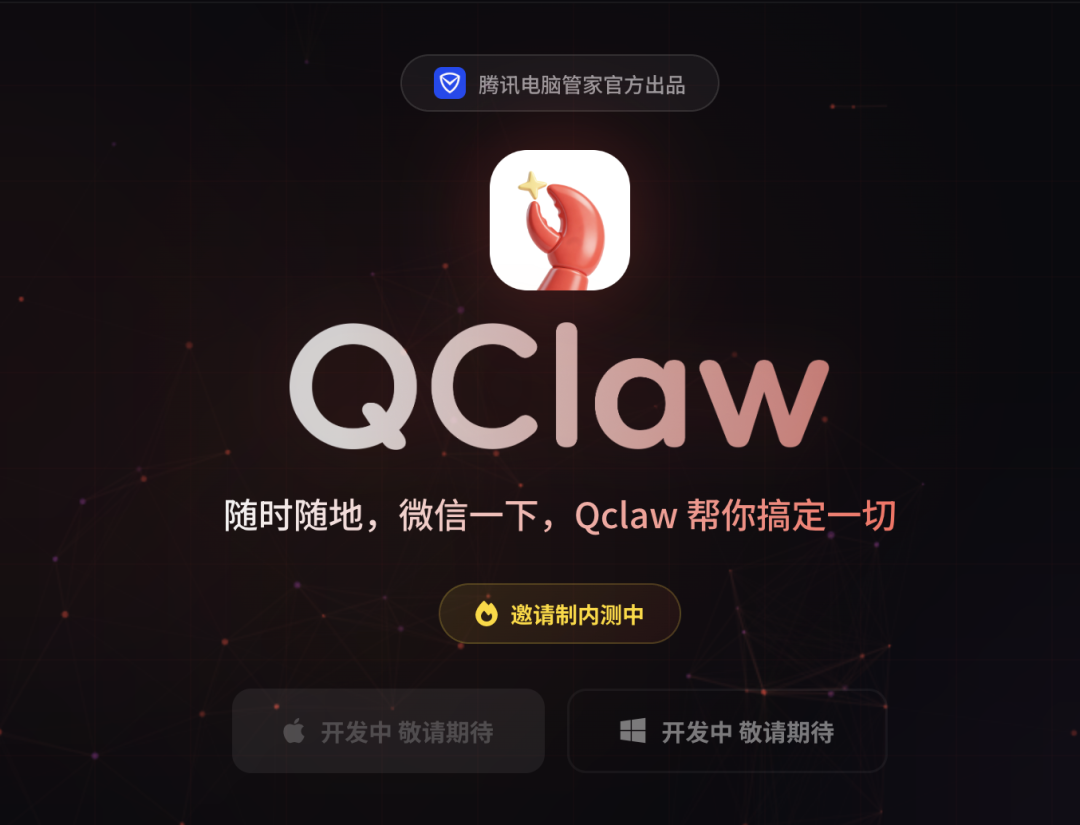
💡Tencent/ByteDance productize OpenClaw—fastest OSS growth—igniting China AI agent wars.
⚡ 30-Second TL;DR
What Changed
Tencent's WorkBuddy for enterprises: 2k internal users, integrates Hunyuan/DeepSeek models.
Why It Matters
Drives AI agent standardization in China enterprises; big tech tames open-source for controlled ecosystems, boosting dev productivity 20%. Fuels Agent+model hype with stock premiums.
What To Do Next
Deploy OpenClaw locally and integrate with Tencent WorkBuddy to prototype enterprise agents.
Key Points
- •Tencent's WorkBuddy for enterprises: 2k internal users, integrates Hunyuan/DeepSeek models.
- •QClaw for devs: 5k skills, local processing with memory.
- •OpenClaw hits massive scale; Botlearn.ai community grows to 10k agents.
- •Cloud plays: ByteDance ArkClaw, Ali CoPaw for easy deployment.
🧠 Deep Insight
Background and context from public sources — not the original article. 5 sources cited.
🔑 Enhanced Key Takeaways
- •OpenClaw was created by Austrian developer Peter Steinberger in November 2025 and rapidly became one of GitHub's fastest-growing projects, enabling tasks like booking flights and organizing email to support 'one-person companies'.[1]
- •Shenzhen's Longgang district announced draft subsidies up to 10 million yuan ($1.4 million), free computing resources, and office space for OpenClaw-based companies, despite Beijing's security concerns over data access and cross-border transfers.[1]
- •OpenAI hired creator Peter Steinberger last month to develop next-generation AI agents, while Shenzhen hosted events drawing diverse crowds including children and retirees beyond just developers.[1]
- •Major Chinese cloud providers like JD Cloud, Volcano Engine, and Baidu Intelligent Cloud launched one-click OpenClaw deployment services, with Alibaba Cloud offering a fixed monthly 'Coding Plan AI Coding Package' for API surge.[2]
🛠️ Technical Deep Dive
- •OpenClaw uses a skill-based architecture where agents are composed of modular, reusable skills for tasks like knowledge base search, PDF parsing, or trade execution, stacked to define capabilities.[3]
- •Model-agnostic design supports swapping between OpenAI, Anthropic, open-source models, or custom fine-tuned weights, configured via a dashboard with system prompts, skills, and model backends.[3]
- •Self-hosted by design with channel-native integrations for Telegram, Discord, WhatsApp, Slack, and iMessage; emphasizes local deployment for data ownership without per-seat pricing or API middlemen.[3]
- •Recently expanded support for Chinese AI models like Kimi and MiniMax, allowing users to connect them directly to OpenClaw installations.[4]
🔮 Future ImplicationsAI analysis grounded in cited sources
⏳ Timeline
📎 Sources (5)
Factual claims are grounded in the sources below. Forward-looking analysis is AI-generated interpretation.
- whbl.com — Chinas Shenzhen Backs Openclaw AI with Subsidies Despite Beijings Security Concerns
- kucoin.com — Openclaw Sparks AI Agent Frenzy but Is It the Jarvis of the AI Era
- tencentcloud.com — 140791
- trendingtopics.eu — Openclaw Expands Support of Chinese AI Models Amid Big Tech Interest
- youtube.com — Watch
Weekly AI Recap
Read this week's curated digest of top AI events →
👉Related Updates
AI-curated news aggregator. All content rights belong to original publishers.
Original source: 虎嗅 ↗
This is a summary, not the original. Read the source, or get the weekly briefing.
Weekly AI briefing
One email a week. Unsubscribe anytime.