ChatGPT Rolls Out Stricter Teen Mode
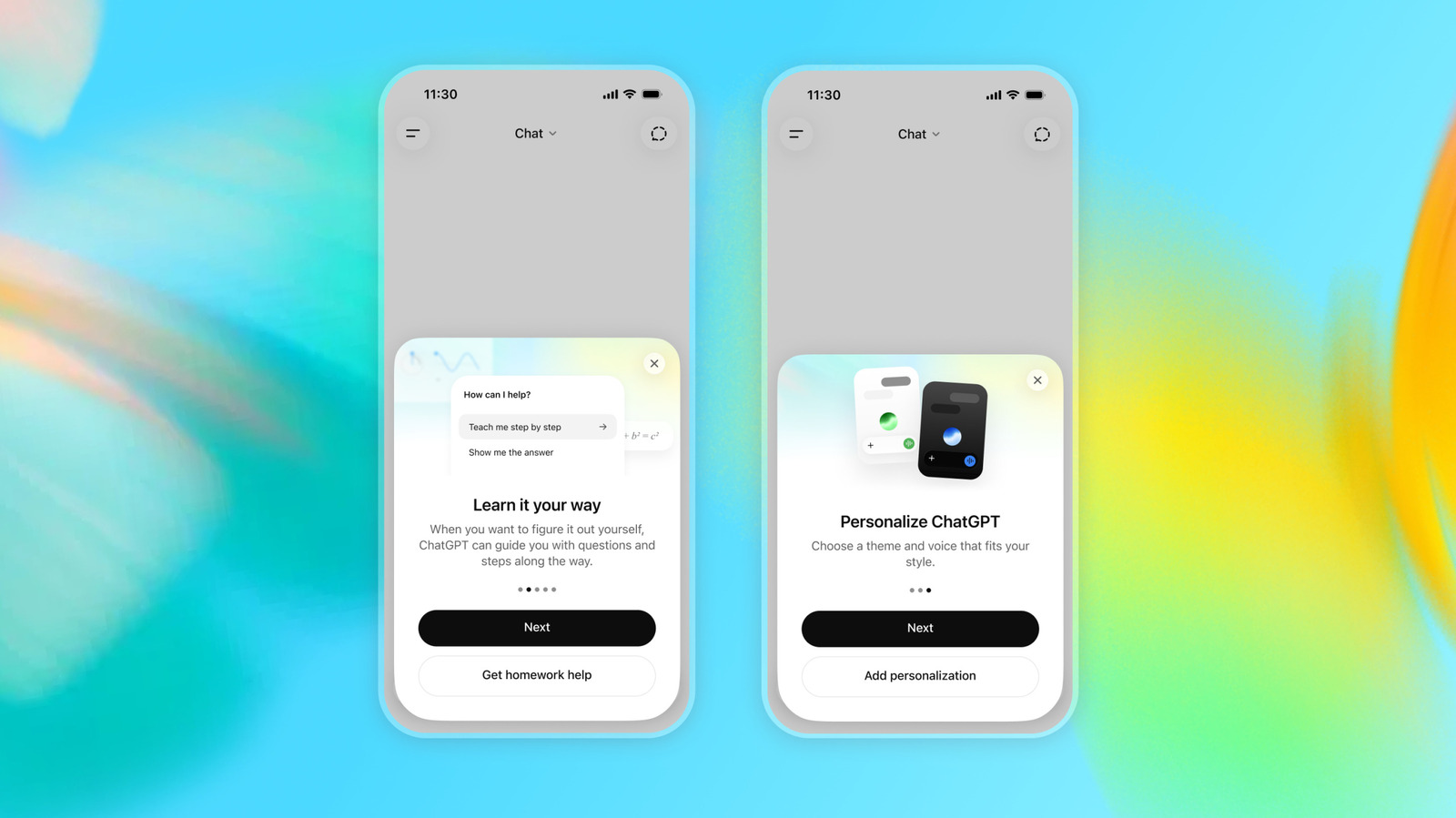
💡ChatGPT's automatic teen enrollment could change safety defaults for youth-facing AI products.
⚡ 30-Second TL;DR
What Changed
The stricter ChatGPT teen mode starts rolling out today.
Why It Matters
Automatic enrollment could reduce exposure to inappropriate interactions for some young users, but age-detection accuracy and false classifications will be important operational concerns. Developers building youth-facing AI experiences should expect stronger safety and age-assurance expectations.
What To Do Next
Audit your ChatGPT-based product's youth-safety flows and add an explicit fallback policy for uncertain age classification.
Key Points
- •The stricter ChatGPT teen mode starts rolling out today.
- •OpenAI plans to automatically enroll young users in the experience.
- •The update changes how ChatGPT handles safety and access for teen users.
🧠 Deep Insight
AI-generated analysis for this event.
🔑 Enhanced Key Takeaways
- •OpenAI is implementing age-verification protocols that require users to confirm their age, with parental consent mechanisms for users under the age of 13.
- •The new teen mode includes enhanced content filtering specifically designed to block sexually explicit, violent, or self-harm-related content more aggressively than the standard model.
- •The rollout includes a 'Teen Dashboard' for parents and guardians, allowing them to monitor usage patterns and set specific time limits or content restrictions.
- •OpenAI is collaborating with child safety organizations and digital wellness experts to refine the model's tone and educational responses to be more age-appropriate.
- •This update is part of OpenAI's broader compliance strategy to align with emerging global AI regulations, such as the EU AI Act and various US state-level child safety laws.
📊 Competitor Analysis▸ Show
| Feature | ChatGPT (Teen Mode) | Claude (Anthropic) | Gemini (Google) |
|---|---|---|---|
| Safety Filtering | High (Strict/Age-Gated) | Moderate (Constitutional AI) | Moderate (Safety Guidelines) |
| Parental Controls | Integrated Dashboard | Limited | Family Link Integration |
| Age Verification | Mandatory | Optional/Platform-based | Mandatory (Google Account) |
| Educational Focus | High | Moderate | High |
🛠️ Technical Deep Dive
- Implementation of a secondary safety layer (classifier) that runs in parallel with the main model to intercept and sanitize responses before they reach the teen user interface.
- Utilization of Reinforcement Learning from Human Feedback (RLHF) specifically tuned with datasets curated by child psychologists to prioritize helpful, non-harmful, and educational interactions.
- Integration of a latency-optimized moderation API that checks prompts against a restricted keyword and intent database before the primary model processes the request.
- Deployment of differential privacy techniques to ensure that parental monitoring data is anonymized and not used for training the base model.
🔮 Future ImplicationsAI analysis grounded in cited sources
⏳ Timeline
Weekly AI Recap
Read this week's curated digest of top AI events →
👉Related Updates


AI-curated news aggregator. All content rights belong to original publishers.
Original source: Engadget ↗