ChatGPT Introduces a Dedicated Teen Mode

💡OpenAI’s teen mode offers a concrete reference for age-aware LLM safety and parental controls.
⚡ 30-Second TL;DR
What Changed
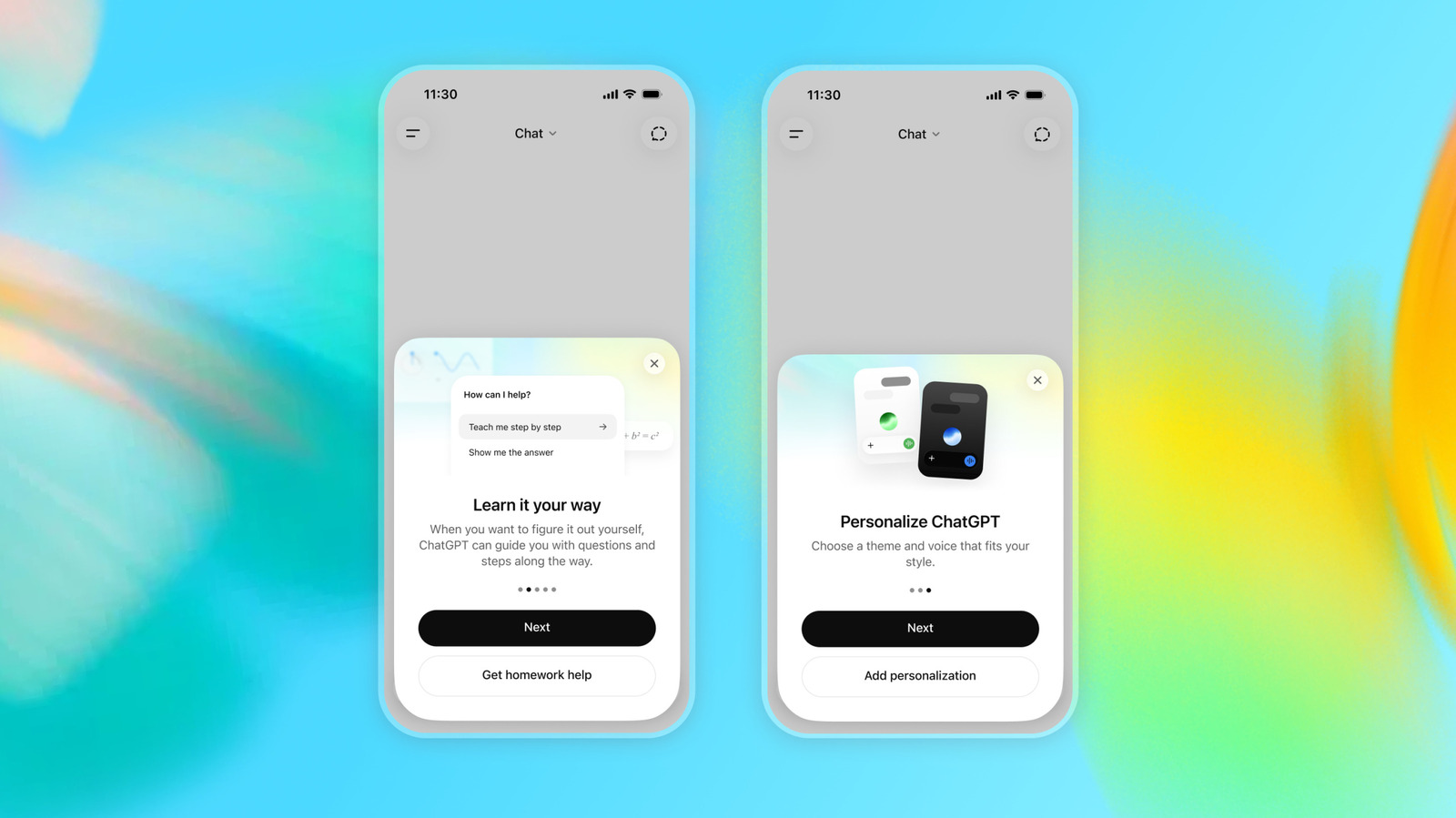
ChatGPT for Teens consolidates youth safeguards and introduces additional safety features.
Why It Matters
The feature could establish a stronger safety baseline for consumer LLMs used by minors. It also raises implementation questions around age assurance, privacy, parental oversight, and how safety policies affect the user experience.
What To Do Next
Review ChatGPT for Teens’ age-estimation, parental-control, and safeguard behavior before launching any LLM feature for users under 18.
Key Points
- •ChatGPT for Teens consolidates youth safeguards and introduces additional safety features.
- •Parental controls are included as part of the teen-focused experience.
- •The mode automatically applies to users who identify themselves as being 13 to 17.
- •OpenAI may also use age estimation to identify users who appear to be under 18.
- •The product is positioned around learning, critical thinking, and confident AI use.
🧠 Deep Insight
AI-generated analysis for this event.
🔑 Enhanced Key Takeaways
- •OpenAI has integrated specific content filtering layers that proactively block sexually explicit, violent, or self-harm related content beyond standard safety guidelines.
- •The parental control dashboard allows guardians to view conversation history summaries and set usage limits, addressing previous regulatory concerns regarding transparency.
- •The rollout includes a mandatory 'educational onboarding' module that teaches teens about AI hallucinations and the importance of verifying information.
- •OpenAI is utilizing a new age-verification API that integrates with third-party identity services to reduce reliance on self-reported age data.
- •The teen-specific model has been fine-tuned with a curated dataset emphasizing academic tone and neutral, objective explanations to support homework and research.
📊 Competitor Analysis▸ Show
| Feature | ChatGPT (Teen Mode) | Google Gemini (Teen) | Anthropic Claude (Teens) |
|---|---|---|---|
| Parental Controls | Advanced Dashboard | Family Link Integration | Limited/None |
| Age Verification | API-based/Estimation | Google Account Age | Self-reported |
| Educational Focus | High (Onboarding) | Moderate | Low |
| Pricing | Free/Plus | Free | Free/Pro |
🛠️ Technical Deep Dive
- Implementation of a secondary safety classifier layer that runs in parallel with the primary model to intercept non-compliant outputs before they reach the UI.
- Utilization of a lightweight, distilled version of the base model to reduce latency while maintaining high-quality reasoning capabilities for educational tasks.
- Integration of a differential privacy layer in the data logging process to ensure that teen conversation data is anonymized before being used for model improvement.
- Deployment of a client-side age-estimation heuristic that analyzes interaction patterns and metadata to trigger the teen-mode safeguards if a user's behavior deviates from their stated age.
🔮 Future ImplicationsAI analysis grounded in cited sources
⏳ Timeline
Weekly AI Recap
Read this week's curated digest of top AI events →
👉Related Updates


AI-curated news aggregator. All content rights belong to original publishers.
Original source: The Verge ↗