🇨🇳cnBeta (Full RSS)•Freshcollected in 3h
ChatGPT Mac App Faces Privacy Backlash Over Local File Access
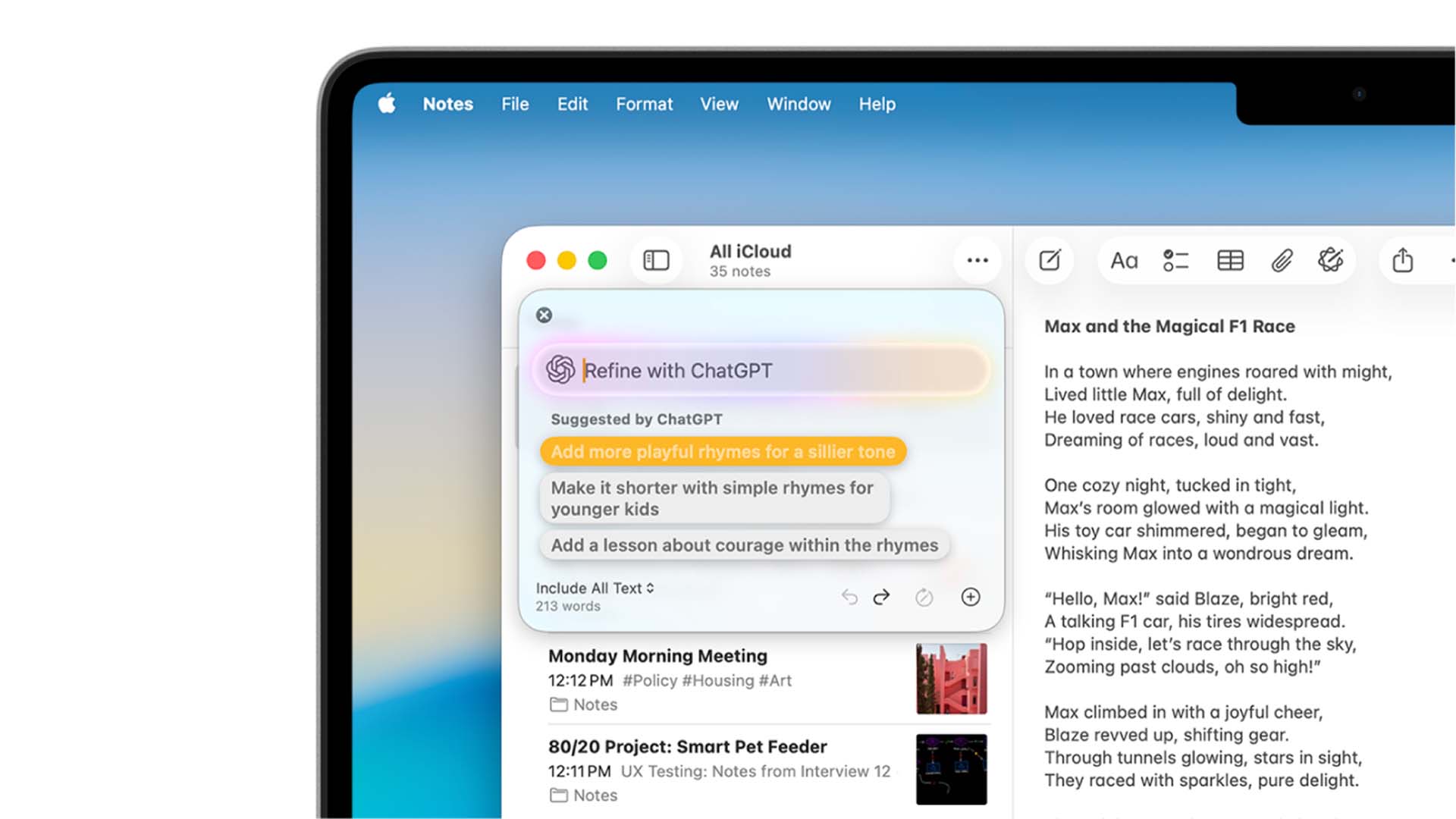
💡Critical privacy flaw in ChatGPT Mac app: learn how local file indexing can lead to unintended data exposure.
⚡ 30-Second TL;DR
What Changed
ChatGPT Mac app update automatically indexes local file directories
Why It Matters
This incident highlights the growing tension between AI convenience and local data privacy. Developers building desktop AI agents must prioritize transparent permission models to maintain user trust.
What To Do Next
Audit your desktop application's file access permissions and ensure all local data indexing is strictly opt-in.
Who should care:Developers & AI Engineers
Key Points
- •ChatGPT Mac app update automatically indexes local file directories
- •Users report lack of explicit authorization for file scanning
- •Privacy concerns raised regarding potential data exposure
🧠 Deep Insight
AI-generated analysis for this event.
🔑 Enhanced Key Takeaways
- •The incident centers on the 'Memory' feature and local context awareness, which was designed to allow the app to reference local documents for improved RAG (Retrieval-Augmented Generation) performance.
- •Security researchers identified that the app stored these local file paths in an unencrypted plaintext database, making them accessible to other processes on the macOS system.
- •OpenAI issued a patch shortly after the backlash, introducing a granular permission toggle that requires explicit user consent before the app can scan specific directories.
- •Apple's macOS 'Sandbox' architecture was bypassed or misinterpreted by the app's implementation, leading to broader file system visibility than intended by Apple's security guidelines.
- •The controversy triggered an investigation by privacy advocacy groups regarding whether the indexed metadata—not just the file content—constitutes a violation of user data privacy policies.
📊 Competitor Analysis▸ Show
| Feature | ChatGPT (Mac) | Claude (Desktop) | Microsoft Copilot |
|---|---|---|---|
| Local File Indexing | Opt-in (Post-patch) | Limited/Manual | Cloud-based/OneDrive |
| Privacy Model | Local-first (Controversial) | Cloud-centric | Enterprise-grade |
| Pricing | Free/Plus ($20/mo) | Free/Pro ($20/mo) | Free/Pro ($20/mo) |
🛠️ Technical Deep Dive
- The app utilized a local SQLite database to cache file metadata and directory structures for rapid retrieval.
- The indexing mechanism relied on macOS Spotlight APIs and file system event listeners to maintain real-time awareness of local changes.
- Data exposure occurred because the local cache was stored in the user's Application Support directory without sufficient file-level permissions (chmod 644 instead of 600).
- The RAG implementation processed local file paths as context tokens, potentially leaking directory structures to OpenAI's servers if the 'Memory' feature was active.
🔮 Future ImplicationsAI analysis grounded in cited sources
Stricter macOS permission enforcement for AI agents
Apple is expected to introduce new TCC (Transparency, Consent, and Control) categories specifically for AI applications accessing local file systems.
Shift toward encrypted local vector databases
To mitigate privacy risks, developers will likely move away from plaintext metadata storage in favor of encrypted, user-locked vector stores for local RAG.
⏳ Timeline
2024-05
OpenAI releases the official ChatGPT desktop application for macOS.
2025-02
Introduction of 'Memory' features allowing the AI to retain context across sessions.
2026-06
Update deployed that inadvertently enabled broad local file indexing.
2026-07
Public backlash and security reports lead to the emergency privacy patch.
📰
Weekly AI Recap
Read this week's curated digest of top AI events →
👉Related Updates


AI-curated news aggregator. All content rights belong to original publishers.
Original source: cnBeta (Full RSS) ↗