ChatGPT App Store Off to Cold Start
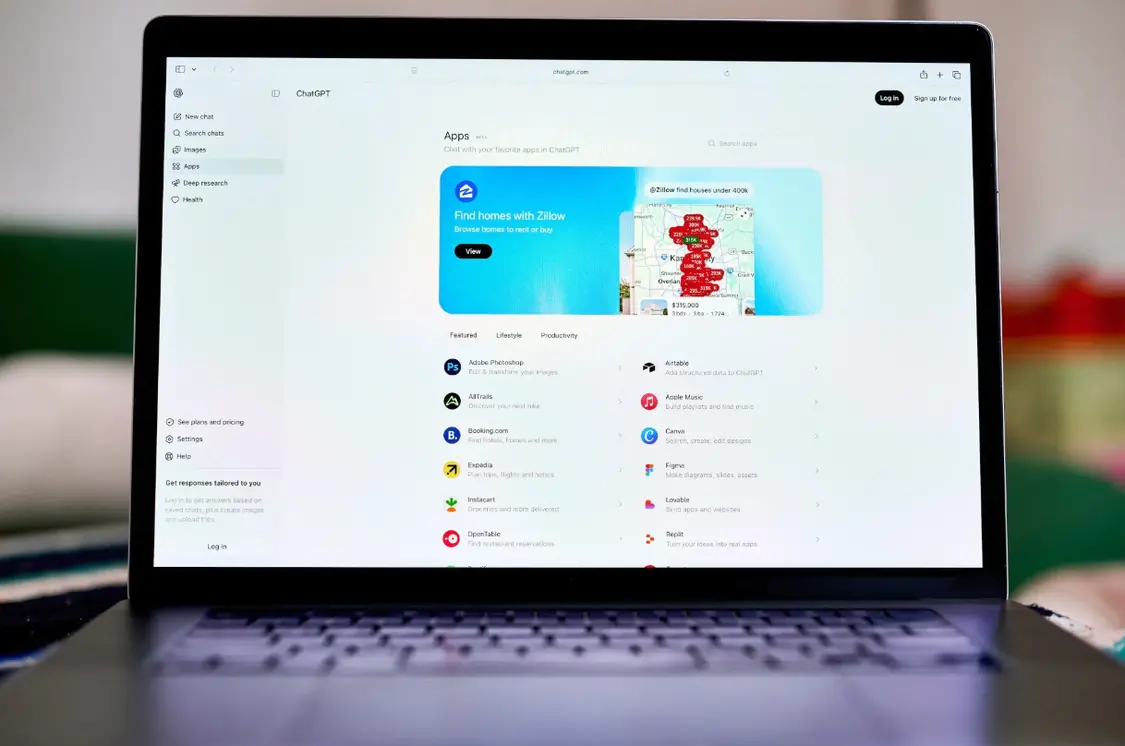
💡OpenAI's app store hits snags—lessons for AI platform expansion pitfalls.
⚡ 30-Second TL;DR
What Changed
OpenAI's mini-app plan announced last year per Bloomberg
Why It Matters
Exposes hurdles in AI app ecosystems, urging fixes before scaling. Offers devs integration chances amid OpenAI-Apple rivalry. Slow start may shift focus to core improvements.
What To Do Next
Prototype mini-apps using OpenAI Assistants API for ChatGPT integration.
Key Points
- •OpenAI's mini-app plan announced last year per Bloomberg
- •Enables Spotify etc. to embed services in ChatGPT
- •No app-switching needed for users
- •Early rollout faces cold reception
- •Echoes Apple's App Store as platform play
🧠 Deep Insight
AI-generated analysis for this event — not the original article.
🔑 Enhanced Key Takeaways
- •The platform, officially branded as 'GPTs,' faced significant discoverability challenges due to the lack of a robust, curated marketplace interface during its initial rollout phase.
- •Developers reported friction in the monetization model, as OpenAI initially lacked a direct revenue-sharing mechanism for GPT creators, unlike the established 70/30 split model of the Apple App Store.
- •Security and privacy concerns regarding data leakage from third-party GPTs to external APIs prompted OpenAI to implement stricter sandboxing and data-sharing disclosure requirements shortly after launch.
📊 Competitor Analysis▸ Show
| Feature | OpenAI GPTs | Anthropic Claude Projects | Google Gemini Gems |
|---|---|---|---|
| Integration | Deep ecosystem (DALL-E, Code Interpreter) | Document-centric workspace | Google Workspace/Drive integration |
| Monetization | Planned revenue sharing | Enterprise-focused | Limited/None |
| Customization | Natural language instructions | Knowledge base uploads | System prompt tuning |
🛠️ Technical Deep Dive
- •GPTs utilize a combination of system instructions (the 'pre-prompt'), uploaded knowledge files (RAG-based retrieval), and custom Actions (OpenAPI schema definitions).
- •Actions are executed via HTTP requests to external endpoints, requiring developers to provide an OpenAPI specification file for the model to understand how to interact with the API.
- •Authentication for Actions is handled through OAuth or API keys, which are stored securely by OpenAI and injected into the request headers at runtime.
- •The 'Code Interpreter' (now Advanced Data Analysis) sandbox is automatically enabled for GPTs, allowing the model to execute Python code to process data or generate files within a secure, ephemeral environment.
🔮 Future ImplicationsAI analysis grounded in cited sources
⏳ Timeline
Weekly AI Recap
Read this week's curated digest of top AI events →
👉Related Updates

AI-curated news aggregator. All content rights belong to original publishers.
Original source: cnBeta (Full RSS) ↗
This is a summary, not the original. Read the source, or get the weekly briefing.
The weekly digest
One email a week. Unsubscribe anytime.