Challenges in China's Cross-border Logistics Chain
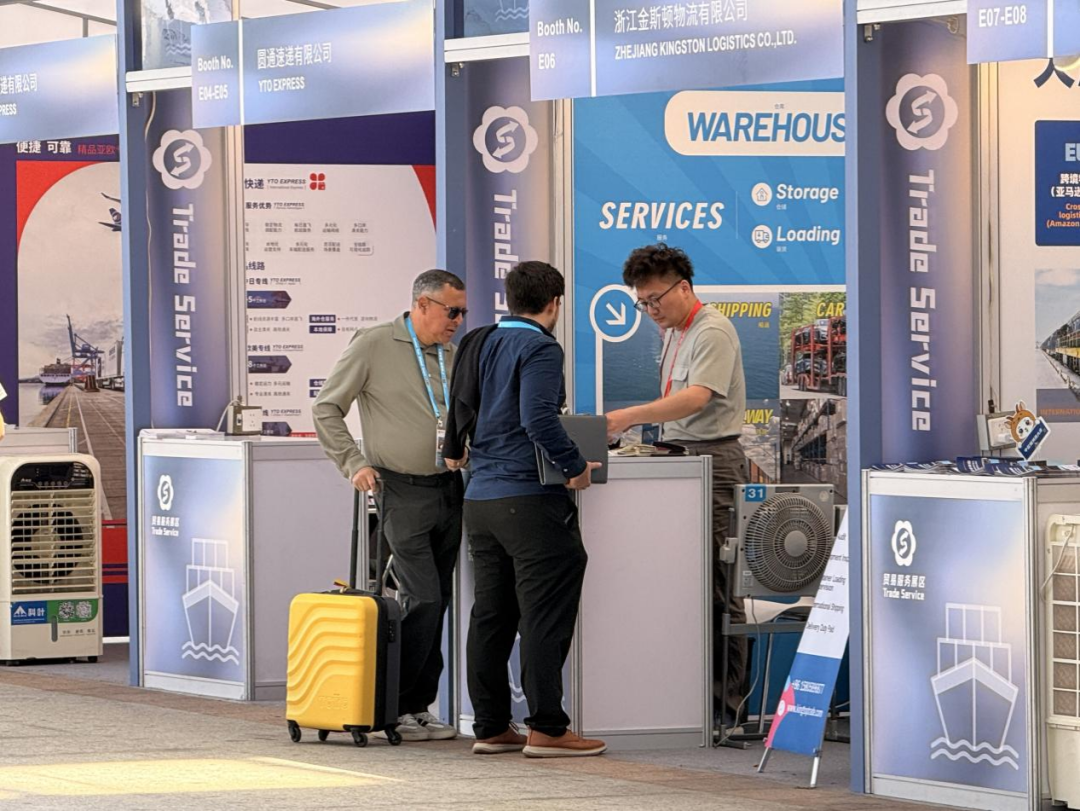
Understand the massive, unoptimized logistics pain points that AI can solve in global trade.
30-Second TL;DR
What Changed
Long-distance shipping (35+ days) faces high risks from port congestion and route changes.
Why It Matters
The lack of digital standardization in cross-border logistics presents a significant opportunity for AI-driven supply chain optimization and predictive risk management tools.
What To Do Next
If building supply chain AI, focus on developing predictive models for port congestion and automated documentation verification to reduce cross-border trade friction.
Key Points
- •Long-distance shipping (35+ days) faces high risks from port congestion and route changes.
- •Accountability in the supply chain is fragmented, leading to disputes between factories, logistics providers, and insurers.
- •Logistics companies are increasingly adopting 'deep' service models, including local warehousing and self-owned transport, to maintain competitiveness.
Deep Insight
Background and context from public sources — not the original article. 24 sources cited.
Enhanced Key Takeaways
- •Geopolitical tensions, such as the US-China trade war and Red Sea disruptions, have significantly increased logistics costs, caused delays, and forced rerouting, compelling businesses to diversify supply chains.
- •China's logistics sector is rapidly integrating advanced technologies like AI, IoT, and blockchain for real-time monitoring, predictive analytics, and automation, including robotic warehouses and AI-driven scheduling, to enhance efficiency and resilience.
- •Multinational companies are increasingly adopting a "China Plus One" strategy, diversifying manufacturing and sourcing into Southeast Asia and India to mitigate risks and ensure operational continuity, leading to more complex multi-country logistics networks.
- •The Chinese government has launched action plans to accelerate the development of digital and intelligent supply chains, aiming to establish replicable models and foster leading enterprises by 2030, with a focus on integrating the digital economy with the real economy.
- •While cross-border e-commerce drives significant growth in China's trade, it also intensifies logistics challenges such as high costs, extended delivery times, and complex return processes, necessitating solutions like overseas warehouses.
Technical Deep Dive
- Artificial Intelligence (AI): Utilized for predictive analytics, real-time decision-making, optimizing production schedules, and powering robotics and scheduling systems in warehouses.
- Internet of Things (IoT): Enables real-time monitoring of product location and condition, improving information flow across global supply chains.
- Blockchain: Adopted to enhance transparency and security in supply chains, reducing the need for intermediaries and accelerating transactions.
- Automation and Robotics: Includes automated guided vehicles (AGVs), collaborative robots (cobots), autonomous sorting systems, unmanned delivery vehicles, and large-scale robotic warehouses to improve efficiency in material handling and assembly.
- Digital-Intelligent Supply Chain Control Towers: Built with digital technologies to provide real-time insight, early risk warnings, and intelligent responses to supply chain activities.
- Smart Port Solutions: Involve technologies like automated cranes and AI-driven scheduling to manage port capacity more efficiently and reduce congestion.
- Import/Export Documentation Software: Used to automate compliance, reduce errors, and speed up approvals for customs clearance.
Future ImplicationsAI analysis grounded in cited sources
Timeline
- 1998Cross-border e-commerce began in China with foreign trading companies using internet technology.
- 2013The Belt and Road Initiative was launched, significantly enhancing China's trade capabilities and global connectivity.
- 2013Cross-border e-commerce in China experienced remarkable growth, largely driven by the widespread adoption of smartphones.
- 2018The US-China trade war commenced, leading to reciprocal tariffs and increased delivery times, impacting global logistics.
- 2020The COVID-19 pandemic caused significant disruptions to global supply chains, yet China's cross-border e-commerce sector experienced growth.
- 2025-05China's Ministry of Commerce and seven other departments jointly released an action plan to accelerate the development of digital and intelligent supply chains.
Sources (24)
Factual claims are grounded in the sources below. Forward-looking analysis is AI-generated interpretation.
Weekly AI Recap
Read this week's curated digest of top AI events →
AI-curated news aggregator. All content rights belong to original publishers.
Original source: 虎嗅 ↗
This is a summary, not the original. Read the source, or get the weekly briefing.
The weekly digest
One email a week. Unsubscribe anytime.