Challenges Facing Africa’s AI Startup Growth
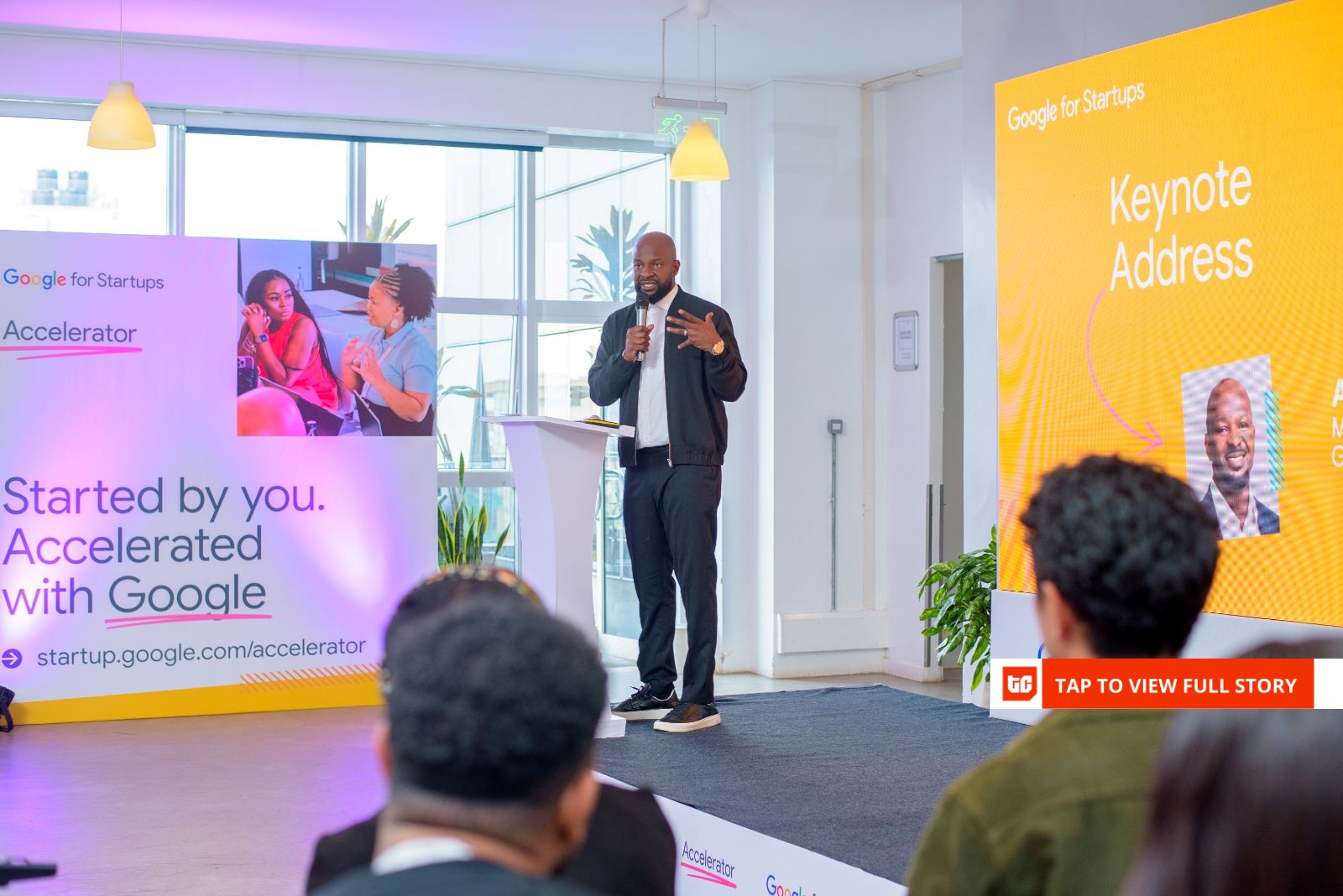
💡Gain expert insights from Google on the hurdles to building scalable AI businesses in emerging African markets.
⚡ 30-Second TL;DR
What Changed
Identifying structural barriers to venture-scale AI in Africa
Why It Matters
This analysis provides critical insights for investors and founders looking to navigate emerging markets. It underscores the need for localized data and infrastructure to achieve AI scalability.
What To Do Next
Analyze the specific infrastructure gaps in your target African market before deploying resource-heavy AI models.
Key Points
- •Identifying structural barriers to venture-scale AI in Africa
- •Analysis of sustainable business models for African AI startups
- •Google's perspective on regional AI adoption challenges
🧠 Deep Insight
AI-generated analysis for this event — not the original article.
🔑 Enhanced Key Takeaways
- •Data scarcity remains a critical bottleneck, as many African languages and local contexts are underrepresented in global large language model (LLM) training datasets.
- •High compute costs and limited access to specialized hardware like GPUs force many African AI startups to rely on API-based wrappers rather than developing proprietary foundational models.
- •The 'brain drain' phenomenon continues to impact the ecosystem, with top-tier AI engineering talent often migrating to global tech hubs in Europe or North America for better compensation.
- •Regulatory fragmentation across the African Union member states creates compliance hurdles for startups attempting to scale AI solutions across multiple borders.
- •Google's 'AI for Africa' initiatives, including the Google Research Center in Accra, are shifting focus toward 'small language models' (SLMs) that require less compute power and are better suited for low-bandwidth environments.
🛠️ Technical Deep Dive
- Focus on Small Language Models (SLMs) which utilize parameter-efficient fine-tuning (PEFT) to reduce memory footprint.
- Implementation of edge-AI architectures to bypass latency issues caused by unreliable internet infrastructure.
- Utilization of synthetic data generation techniques to overcome the lack of localized, high-quality training corpora.
- Deployment of quantized models (4-bit or 8-bit) to enable inference on consumer-grade mobile devices common in the African market.
🔮 Future ImplicationsAI analysis grounded in cited sources
⏳ Timeline
Weekly AI Recap
Read this week's curated digest of top AI events →
👉Related Updates
AI-curated news aggregator. All content rights belong to original publishers.
Original source: TechCabal ↗
This is a summary, not the original. Read the source, or get the weekly briefing.
Weekly AI briefing
One email a week. Unsubscribe anytime.