California's Billionaire Tax Faces Uncertain Ballot Future
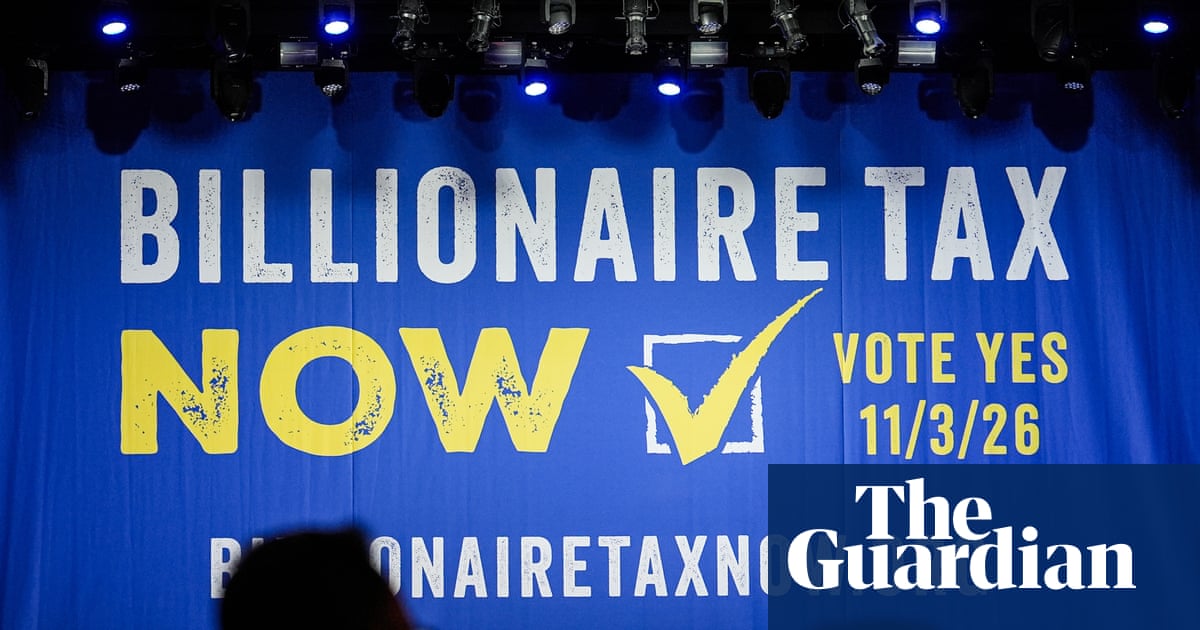
Understand how shifting political landscapes and tax policies in California could impact the future of tech innovation.
30-Second TL;DR
What Changed
The billionaire tax proposal has gathered double the required signatures for the ballot.
Why It Matters
If passed, this tax could significantly alter the financial landscape for tech founders and investors in California. It signals a shift toward more aggressive regulatory scrutiny of the tech elite.
What To Do Next
Monitor state-level tax legislation in California as it may impact future venture capital allocation and founder relocation strategies.
Key Points
- •The billionaire tax proposal has gathered double the required signatures for the ballot.
- •Tech moguls are spending significant capital to oppose the tax initiative in California.
- •The initiative reflects broader industry concerns regarding political influence and taxation of the tech sector.
Deep Insight
AI-generated analysis for this event — not the original article.
Enhanced Key Takeaways
- •The proposed measure, often referred to as the 'Wealth Tax' initiative, specifically targets individuals with a net worth exceeding $50 million, aiming to fund public education and climate change programs.
- •Legal experts have raised significant constitutional questions regarding the initiative, specifically whether it violates the California Constitution's uniformity clause or federal interstate commerce protections.
- •The California Chamber of Commerce and various taxpayer advocacy groups have joined tech moguls in the opposition coalition, arguing that the tax will trigger capital flight and drive high-net-worth individuals to relocate to states like Texas or Florida.
- •Proponents of the tax argue that the initiative is necessary to address the widening wealth gap in California, citing that the state's current tax structure relies too heavily on volatile income tax revenue from the top 1%.
- •The California Legislative Analyst's Office (LAO) has previously warned that implementing a wealth tax could be administratively complex and difficult to enforce due to the challenges of valuing non-liquid assets annually.
Future ImplicationsAI analysis grounded in cited sources
Timeline
- 2024-02Initial filing of the California wealth tax initiative with the Attorney General's office.
- 2024-08Proponents begin the formal signature-gathering process to qualify for the ballot.
- 2025-11Official verification confirms the initiative has secured sufficient signatures to appear on the 2026 ballot.
- 2026-03Opposition groups launch a multi-million dollar advertising campaign targeting the economic impact of the tax.
Weekly AI Recap
Read this week's curated digest of top AI events →
Related Updates

AI-curated news aggregator. All content rights belong to original publishers.
Original source: The Guardian Technology ↗
This is a summary, not the original. Read the source, or get the weekly briefing.
The weekly digest
One email a week. Unsubscribe anytime.