80% of AI datacenters vulnerable to climate hazards
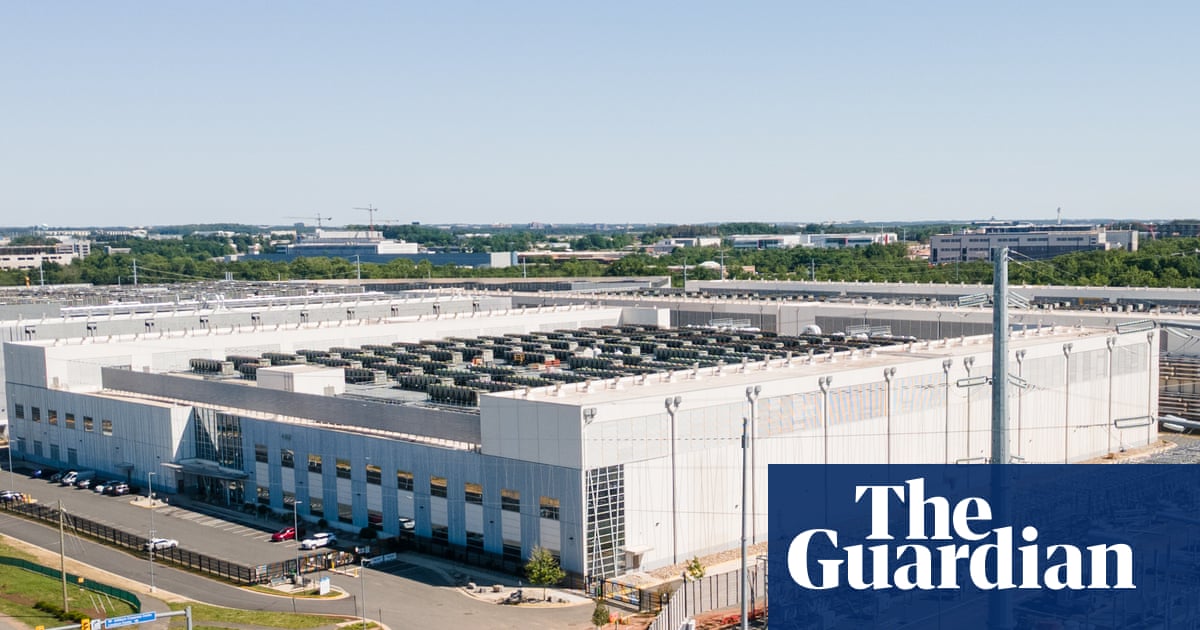
AI infrastructure is physically vulnerable; learn how climate risks could impact your model's uptime and operational cos
30-Second TL;DR
What Changed
Nearly 80% of datacenters face exposure to extreme climate hazards.
Why It Matters
The findings suggest that AI infrastructure providers must prioritize climate resilience in site selection and disaster recovery planning. Failure to mitigate these risks could lead to service instability for AI models relying on these physical assets.
What To Do Next
Review your cloud provider's regional disaster recovery and climate resilience documentation to assess potential downtime risks for your AI workloads.
Key Points
- •Nearly 80% of datacenters face exposure to extreme climate hazards.
- •Climate risks include flooding, wildfires, and extreme wind events.
- •Vulnerabilities lead to operational disruptions and increased financial overhead for AI firms.
Deep Insight
AI-generated analysis for this event — not the original article.
Enhanced Key Takeaways
- •First Street's analysis utilizes high-resolution climate modeling to assess physical risk at the specific asset level, rather than relying on regional averages.
- •The report highlights that many legacy datacenters were sited based on historical climate data, which fails to account for the accelerating frequency of extreme weather events in the current decade.
- •Insurance premiums for critical infrastructure in high-risk zones have seen double-digit percentage increases, directly impacting the operational expenditure (OpEx) of AI-focused hyperscalers.
- •The study identifies a 'geographic concentration risk,' where major AI hubs are clustered in regions increasingly prone to water scarcity, complicating the liquid cooling requirements essential for high-density AI chips.
- •Regulatory bodies are beginning to pressure AI firms to disclose physical climate risks as part of mandatory ESG reporting, moving beyond voluntary sustainability disclosures.
Technical Deep Dive
- Datacenter resilience metrics are increasingly measured by ASHRAE thermal guidelines, which are being challenged by higher ambient temperatures and humidity levels in climate-stressed regions.
- Mitigation strategies involve the deployment of 'hardened' infrastructure, including elevated power distribution units (PDUs) to prevent flood damage and fire-suppression systems optimized for high-density GPU clusters.
- Advanced cooling architectures, such as direct-to-chip liquid cooling and immersion cooling, are being prioritized to maintain operational stability despite external ambient temperature spikes.
- Predictive digital twins are being utilized to simulate climate hazard scenarios, allowing operators to stress-test failover protocols and backup power redundancy before actual events occur.
Future ImplicationsAI analysis grounded in cited sources
Timeline
- 2023-05First Street releases updated flood risk models for the contiguous United States.
- 2024-09Major hyperscalers begin integrating climate risk assessments into site selection due to increased grid instability.
- 2025-11First Street expands its climate risk platform to include specific modeling for critical infrastructure and industrial assets.
- 2026-06Publication of the report detailing the 80% vulnerability rate for AI datacenters.
Weekly AI Recap
Read this week's curated digest of top AI events →
AI-curated news aggregator. All content rights belong to original publishers.
Original source: The Guardian Technology ↗
This is a summary, not the original. Read the source, or get the weekly briefing.
The weekly digest
One email a week. Unsubscribe anytime.