California bill to preserve video games passes first hurdle
💡Legislative move to preserve digital games could impact how we archive AI-driven software and digital assets.
⚡ 30-Second TL;DR
What Changed
California bill advances to preserve digital game access
Why It Matters
This legislation could set a precedent for how digital assets and AI-generated software are archived and maintained in the future.
What To Do Next
Review digital asset management policies to align with emerging software preservation standards.
Key Points
- •California bill advances to preserve digital game access
- •Addresses concerns over content loss when servers shut down
- •Significant step for digital rights and software preservation
🧠 Deep Insight
Background and context from public sources — not the original article. 24 sources cited.
🔑 Enhanced Key Takeaways
- •The California bill, officially known as Assembly Bill 1921 (AB 1921) or the 'Protect Our Games Act,' specifically mandates that digital game publishers provide at least 60 days' notice before terminating services for online-dependent games.
- •Under AB 1921, publishers would be required to ensure continued access to purchased digital games, either by providing an offline version or a patch, or by offering refunds if continued access is not possible.
- •The legislation applies to digitally sold games released or resold after January 1, 2027, but explicitly excludes games provided via subscription services, free-to-play games, and those inherently playable offline indefinitely.
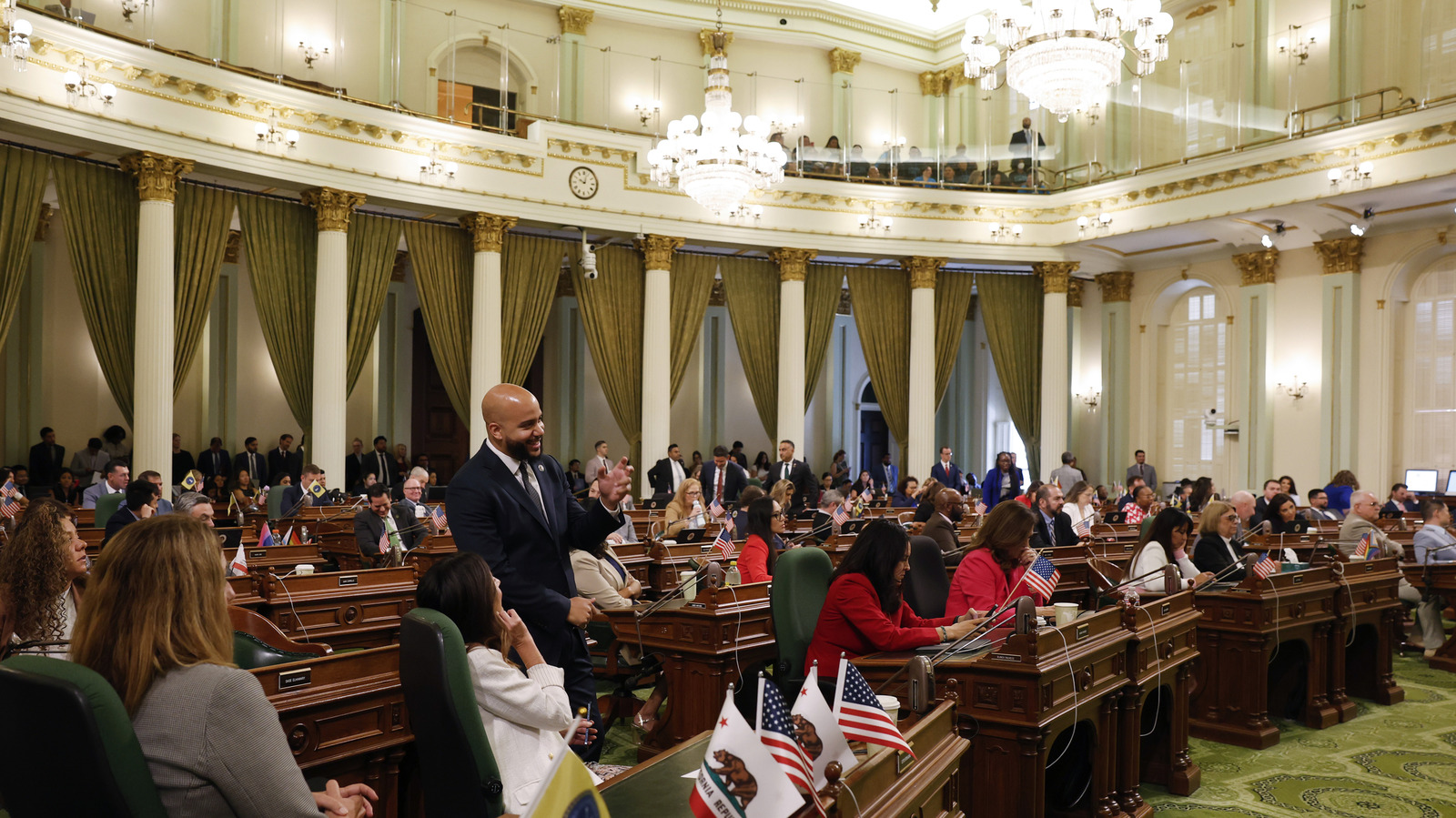
- •The bill's advancement through the California State Assembly, with a vote of 43 to 16, demonstrates growing political recognition of digital preservation and consumer rights in the gaming sector, despite opposition from industry lobbyists like the Entertainment Software Association (ESA).
- •The 'Stop Killing Games' movement, which originated in 2024 following Ubisoft's shutdown of 'The Crew,' has actively supported AB 1921, advocating for consumer rights and the treatment of video games as cultural heritage.
🛠️ Technical Deep Dive
- Digital Rights Management (DRM): DRM systems, including always-online requirements, encryption, install limits, and hardware locks, significantly impede game preservation by restricting access to game files and functionality once official support ends.
- Technological Obsolescence: Games are often designed for specific hardware that becomes outdated, and physical media (like cartridges and discs) degrades over time, making older titles unplayable on modern systems without specialized efforts like emulation.
- Server-Dependent Games: Many modern games, particularly online-only or live-service titles, rely heavily on central servers for core gameplay, rendering them completely unplayable when these servers are shut down by publishers.
- Evolving Game States: Modern digital games are constantly updated with patches, bug fixes, and downloadable content, making it challenging for preservationists to identify and archive a definitive or original version of a game.
- Legal and Copyright Barriers: Preservation efforts, such as migrating games to new formats or using emulators, often face legal hurdles due to copyright laws and the prevalence of 'orphan works' where rights holders are unknown or uncontactable.
- Proposed Technical Solutions (by the bill): The bill aims to compel publishers to provide technical alternatives like offline modes or software patches to ensure games remain accessible after server shutdowns, or to offer refunds.
🔮 Future ImplicationsAI analysis grounded in cited sources
⏳ Timeline
📎 Sources (24)
Factual claims are grounded in the sources below. Forward-looking analysis is AI-generated interpretation.
- wikipedia.org
- invenglobal.com
- youtube.com
- massivelyop.com
- mashable.com
- pcgamer.com
- abc10.com
- turgame.com
- stopkillinggames.com
- turgame.com
- scoredetect.com
- nxemu.com
- kennesaw.edu
- wlu.edu
- medium.com
- prattsi.org
- thevindi.com
- arcticworldarchive.org
- wikipedia.org
- medium.com
- techdirt.com
- gamehistory.org
- ilovelibraries.org
- nvmusa.org
Weekly AI Recap
Read this week's curated digest of top AI events →
👉Related Updates

AI-curated news aggregator. All content rights belong to original publishers.
Original source: Engadget ↗
This is a summary, not the original. Read the source, or get the weekly briefing.
The weekly digest
One email a week. Unsubscribe anytime.