🐯虎嗅•Freshcollected in 13m
CALB Battery Defects Spark Quality Concerns in EVs
💡A cautionary tale on battery manufacturing quality and its impact on large-scale EV fleet operations.
⚡ 30-Second TL;DR
What Changed
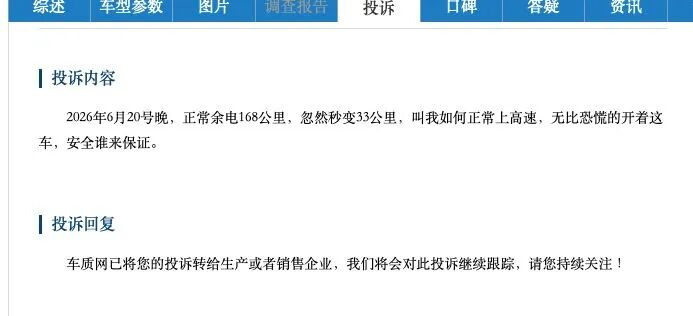
Multiple reports of battery swelling and leakage in commercial vehicles using CALB 177Ah cells.
Why It Matters
This quality crisis highlights the risks of rapid scaling and 'internal competition' in the battery industry, potentially impacting EV reliability and safety standards.
What To Do Next
If building AI-driven fleet management systems, integrate battery health monitoring APIs to detect early signs of cell degradation.
Who should care:Enterprise & Security Teams
Key Points
- •Multiple reports of battery swelling and leakage in commercial vehicles using CALB 177Ah cells.
- •Faults typically occur between 150,000 and 300,000 kilometers, often near the end of warranty.
- •Legal experts suggest manufacturers remain liable for systemic defects even after the warranty period expires.
🧠 Deep Insight
AI-generated analysis for this event.
🔑 Enhanced Key Takeaways
- •The 177Ah LFP cell is part of CALB's legacy prismatic battery lineup, which has faced scrutiny as the company shifts focus toward its 'One-Stop' (OS) battery technology and high-nickel ternary products.
- •Industry analysts note that the failure rate in these specific commercial vehicle applications may be exacerbated by high-frequency fast charging cycles common in logistics and public transport sectors.
- •CALB has faced increasing pressure from downstream OEMs to improve quality control standards as the company aggressively expanded its production capacity between 2021 and 2023.
- •Regulatory bodies in China have begun monitoring battery safety data more closely, potentially leading to mandatory recall investigations if the swelling issues are classified as a systemic safety hazard rather than isolated incidents.
- •The financial impact on CALB may include significant warranty provision adjustments, as the company must now account for potential long-term liability for vehicles operating in harsh commercial environments.
📊 Competitor Analysis▸ Show
| Feature | CALB (177Ah LFP) | CATL (173Ah/175Ah LFP) | EVE Energy (160Ah/190Ah LFP) |
|---|---|---|---|
| Market Focus | Commercial/Logistics | Premium/Mass Market | Commercial/ESS |
| Cycle Life | 2000-3000 cycles | 3000-4000+ cycles | 3000+ cycles |
| Safety Profile | Reported swelling issues | Industry benchmark | High stability focus |
| Pricing | Aggressive/Low-cost | Premium/Market Leader | Competitive/Mid-range |
🛠️ Technical Deep Dive
- Cell Chemistry: Lithium Iron Phosphate (LFP) prismatic cell.
- Nominal Capacity: 177Ah.
- Failure Mode: Internal gas generation leading to mechanical swelling of the aluminum casing.
- Insulation Failure: Likely caused by electrolyte leakage compromising the internal separator and current collector interface.
- Thermal Management: These cells often rely on liquid cooling plates which, if poorly integrated, can accelerate degradation in high-vibration commercial vehicle chassis.
🔮 Future ImplicationsAI analysis grounded in cited sources
CALB will accelerate the phase-out of legacy prismatic cell designs in favor of its OS (One-Stop) architecture.
The OS architecture reduces component count and improves structural integrity, directly addressing the mechanical failure points observed in the 177Ah cells.
Commercial vehicle OEMs will implement stricter battery health monitoring requirements in future supply contracts.
The financial burden of replacing battery packs post-warranty is forcing OEMs to demand better real-time data access and more robust safety validation from suppliers.
⏳ Timeline
2020-09
CALB announces major capacity expansion plans to compete with CATL in the commercial EV market.
2022-10
CALB completes its IPO on the Hong Kong Stock Exchange, raising capital to scale production.
2023-05
CALB officially launches its 'One-Stop' (OS) battery technology to improve energy density and safety.
2025-02
Initial reports of premature degradation in high-mileage commercial fleets begin appearing on industry forums.
2026-04
Increased volume of consumer complaints regarding 177Ah cell swelling prompts formal inquiries from logistics operators.
📰
Weekly AI Recap
Read this week's curated digest of top AI events →
👉Related Updates


AI-curated news aggregator. All content rights belong to original publishers.
Original source: 虎嗅 ↗