BYD Ultra-Fast Charge Targets NIO
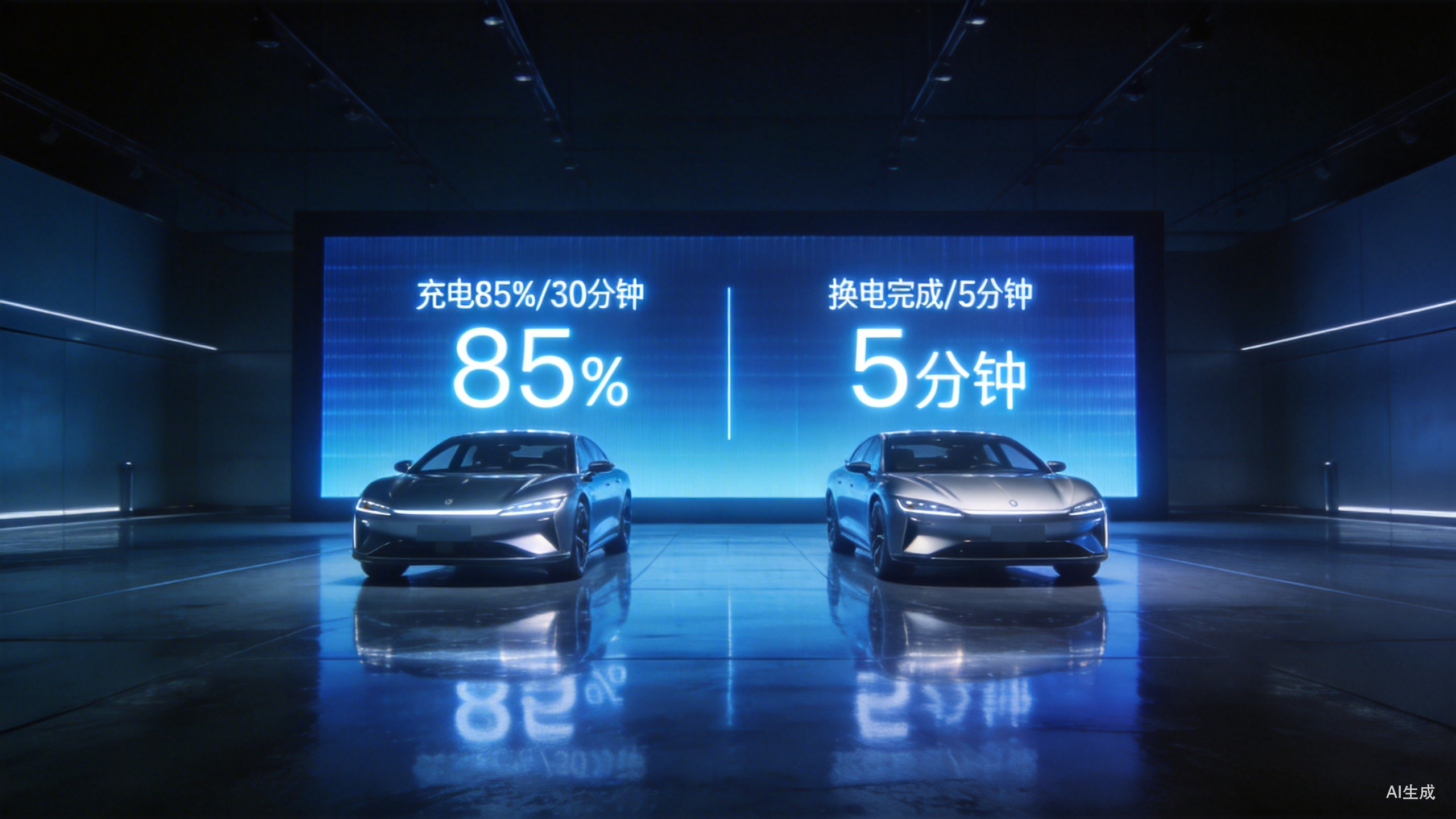
💡BYD battery leap + NIO AI chip fund reshape auto AI infra rivalry
⚡ 30-Second TL;DR
What Changed
BYD: 10-70% in 5min normal, 20-97% in 12min at -30°C.
Why It Matters
BYD's charging breakthrough shrinks NIO's swap moat, pushing NIO toward AI chips and multi-brand volume strategy. EV market shifts from service networks to battery tech scalability. Northern users gained, intensifying competition.
What To Do Next
Benchmark NIO NX9031 against Nvidia OrinX for custom AV inference stacks.
Key Points
- •BYD: 10-70% in 5min normal, 20-97% in 12min at -30°C.
- •Tengshi Z9GT 1036km range, 4239 flash stations built.
- •NIO: 3729 swap stations, but faces queue vs instant charge.
- •NIO Shenji NX9031 5nm AD chip shipped 150k+ units.
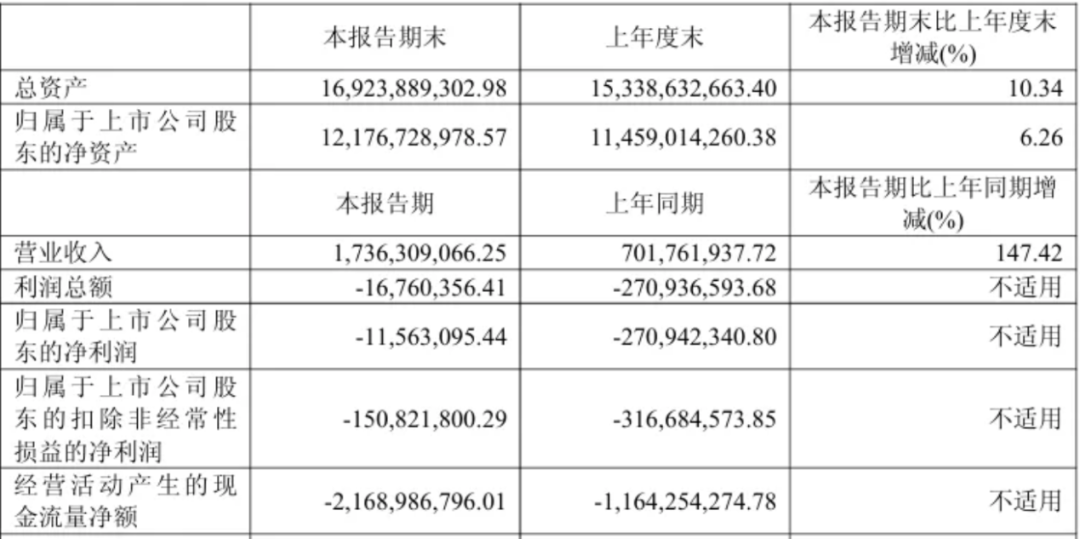
- •NIO Q4 first operating profit, but price cuts dilute premium.
🧠 Deep Insight
Background and context from public sources — not the original article. 7 sources cited.
🔑 Enhanced Key Takeaways
- •BYD's second-generation Blade Battery achieves 1,006 km pure electric range (CLTC) in the Yangwang U7, representing a significant improvement from the first-generation's ~600 km range, addressing the 'impossible triangle' of performance, range, and fast charging[3].
- •The 1,500 kW flash charger operates at up to 1,000 volts and 1,500 amps with real-world peak output near 1,360 kW, featuring a T-shaped design for improved cable reach across different charge-port locations[1].
- •BYD's second-generation Blade Battery offers two variants: a higher-energy pack (~210 Wh/kg with up to 3C charging) and an ultra-fast-charging version (~160 Wh/kg designed for up to 8C charging), both claiming a lifespan of up to 3,000 charge cycles[1].
- •The launch occurs amid six consecutive months of declining sales for BYD's NEV division, with February 2026 sales plunging 41% year-on-year, making this technology positioned as a 'disruptive' catalyst to recapture market momentum[2].
- •Multiple BYD models across price segments—including premium vehicles (Yangwang U7, Denza Z) and volume drivers (Sealion 06, Song Ultra, Seal 07)—are expected to feature the new battery and flash-charging platform, with some incorporating a new 240 kW motor[4].
📊 Competitor Analysis▸ Show
| Feature | BYD Blade 2.0 / Flash Charging | NIO Battery Swap | NIO Shenji NX9031 |
|---|---|---|---|
| Charging Speed | 5 min (10-70% normal), 12 min (20-97% at -30°C) | ~3-5 min swap time | N/A (autonomous driving chip) |
| Range (flagship model) | 1,006 km (Yangwang U7, CLTC) | ~600-700 km typical | N/A |
| Infrastructure | 4,239 flash stations built | 3,729 swap stations | N/A |
| Cold Weather Performance | 82% capacity retention at -30°C (Dolphin) | Swap mitigates battery cold issues | N/A |
| Technology Focus | Ultra-fast charging + battery density | Battery swapping convenience | Autonomous driving compute (5nm, 4x Orin-X) |
| Market Position | Cost-effective, mass-market adoption | Premium positioning, subscription model | High-end autonomous driving capability |
🛠️ Technical Deep Dive
- Battery Energy Density: Higher-energy variant achieves ~210 Wh/kg; ultra-fast-charging variant ~160 Wh/kg, representing density improvements over first-generation Blade Battery[1]
- Charging Architecture: 1,000V platform with 1,500A capability; real-world peak output ~1,360 kW due to system losses[1]
- Thermal Management: Upgraded thermal management system integrated with high-voltage platform to enable simultaneous high performance and fast charging[3]
- Lifespan: Both variants claim up to 3,000 charge cycles, improving on first-generation durability[1]
- Cold Weather Resilience: Blade 2.0 in 2026 Dolphin retains 82% capacity at -30°C, addressing northern climate challenges[5]
- Motor Integration: New 240 kW motor spreading across multiple BYD models in regulatory filings, combined with reduced vehicle weight to enhance efficiency[4]
- Charging Pile Design: T-shaped structural design with cyan exterior; second-generation megawatt fast-charging facility features maximum output of 2,100 kW[2]
🔮 Future ImplicationsAI analysis grounded in cited sources
⏳ Timeline
📎 Sources (7)
Factual claims are grounded in the sources below. Forward-looking analysis is AI-generated interpretation.
- youtube.com — Watch
- cnevpost.com — Byd to Launch 2nd Gen Blade Battery Flash Charging Mar 5
- electrek.co — Byds Blade Ev Battery 2 0 Unlocks 1000 Km Pure Electric Range
- cleantechnica.com — Next Generation Byd Blade Battery Flash Charging Debuts Tomorrow
- youtube.com — Watch
- tesevo.com — Byd Unveils Blade Ev Battery 2 0 Over 1 000 Km Range and Ultra Fast Charging
- iestbattery.com — Charging Method of Byd Blade Battery
Weekly AI Recap
Read this week's curated digest of top AI events →
👉Related Updates

AI-curated news aggregator. All content rights belong to original publishers.
Original source: 虎嗅 ↗
This is a summary, not the original. Read the source, or get the weekly briefing.
Weekly AI briefing
One email a week. Unsubscribe anytime.