BYD Sales Champ but Profits Crushed by Price War

💡BYD-NVIDIA L4 AD tie-up amid EV price wars: key auto AI strategy shift
⚡ 30-Second TL;DR
What Changed
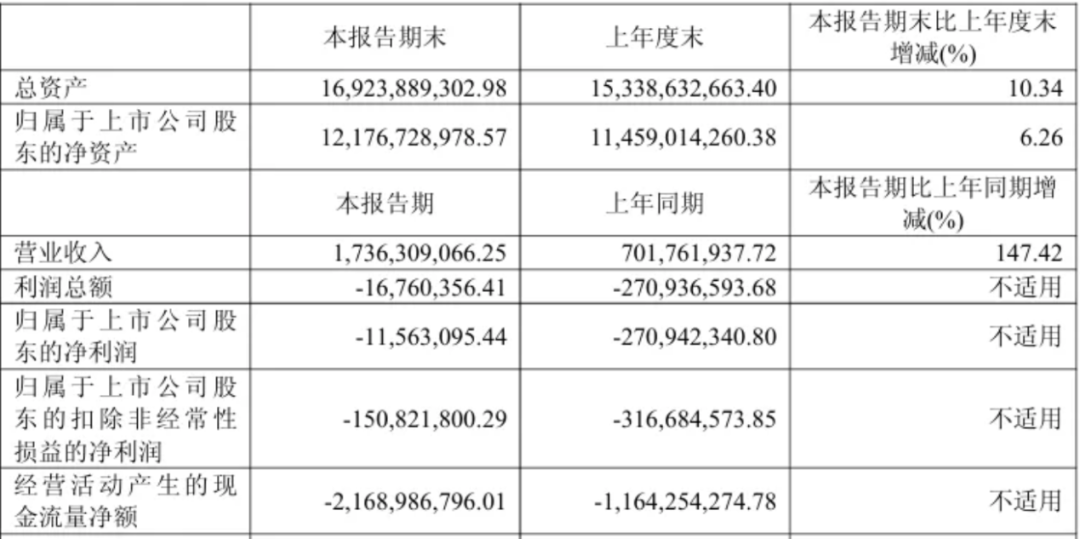
2025 revenue 8039.6B RMB (+3.46%), net profit -18.9%, auto gross margin 20.49% (-1.8pp)
Why It Matters
Price wars secure volume but erode profits, forcing AI/tech upgrades like AD for premium positioning and overseas edge amid subsidy cuts.
What To Do Next
Test NVIDIA DRIVE Hyperion SDK for L4 AD prototyping in EV fleets.
Key Points
- •2025 revenue 8039.6B RMB (+3.46%), net profit -18.9%, auto gross margin 20.49% (-1.8pp)
- •Overseas revenue 3107B RMB (+40%), exports >1M vehicles, higher avg price 18.6W RMB
- •NVIDIA partnership for L4 AD on DRIVE Hyperion; 2nd-gen blade battery 5min/400km charge
- •Plans 150K overseas sales in 2026, 20K flash stations by end-2026
🧠 Deep Insight
AI-generated analysis for this event — not the original article.
🔑 Enhanced Key Takeaways
- •BYD's 2025 profitability decline is heavily attributed to the 'Honor Edition' (荣耀版) strategy, which aggressively lowered entry-level pricing across its core Dynasty and Ocean series to squeeze out internal combustion engine competitors.
- •The company's R&D expenditure reached record highs in 2025, driven by the integration of the 'Xuanji' (璇玑) AI architecture, which centralizes vehicle intelligence, chassis control, and smart cockpit functions.
- •BYD's overseas expansion strategy has shifted from pure export to localized production, with new manufacturing facilities in Brazil, Hungary, and Thailand reaching operational status by late 2025 to mitigate potential EU and US tariff barriers.
📊 Competitor Analysis▸ Show
| Feature | BYD (2025 Flagship) | Tesla (Model Y/3) | Xiaomi (SU7 Ultra) |
|---|---|---|---|
| AD Strategy | NVIDIA DRIVE Hyperion | FSD (Vision-only) | In-house/NVIDIA Orin-X |
| Battery Tech | 2nd-Gen Blade (LFP) | 4680 / LFP | Qilin (CATL) |
| Pricing Strategy | Aggressive Value/Volume | Margin-focused/Dynamic | Premium/Tech-focused |
| Charging | 5min/400km (Flash) | Supercharger V4 | 800V Architecture |
🛠️ Technical Deep Dive
- Xuanji AI Architecture: A centralized electronic and electrical (E/E) architecture that integrates the vehicle's smart cockpit, intelligent driving, and chassis control systems into a single high-compute domain controller.
- 2nd-Gen Blade Battery: Utilizes an optimized chemical composition and thermal management system to support 6C charging rates, enabling the 5-minute/400km range recovery.
- NVIDIA DRIVE Hyperion Integration: BYD utilizes the Orin-X SoC platform to process sensor fusion data from LiDAR, ultrasonic, and camera arrays to achieve L4-capable autonomous parking and highway pilot features.
🔮 Future ImplicationsAI analysis grounded in cited sources
⏳ Timeline
Weekly AI Recap
Read this week's curated digest of top AI events →
👉Related Updates

AI-curated news aggregator. All content rights belong to original publishers.
Original source: 虎嗅 ↗
This is a summary, not the original. Read the source, or get the weekly briefing.
Weekly AI briefing
One email a week. Unsubscribe anytime.