Build Cost-Efficient Async Agent Pipelines
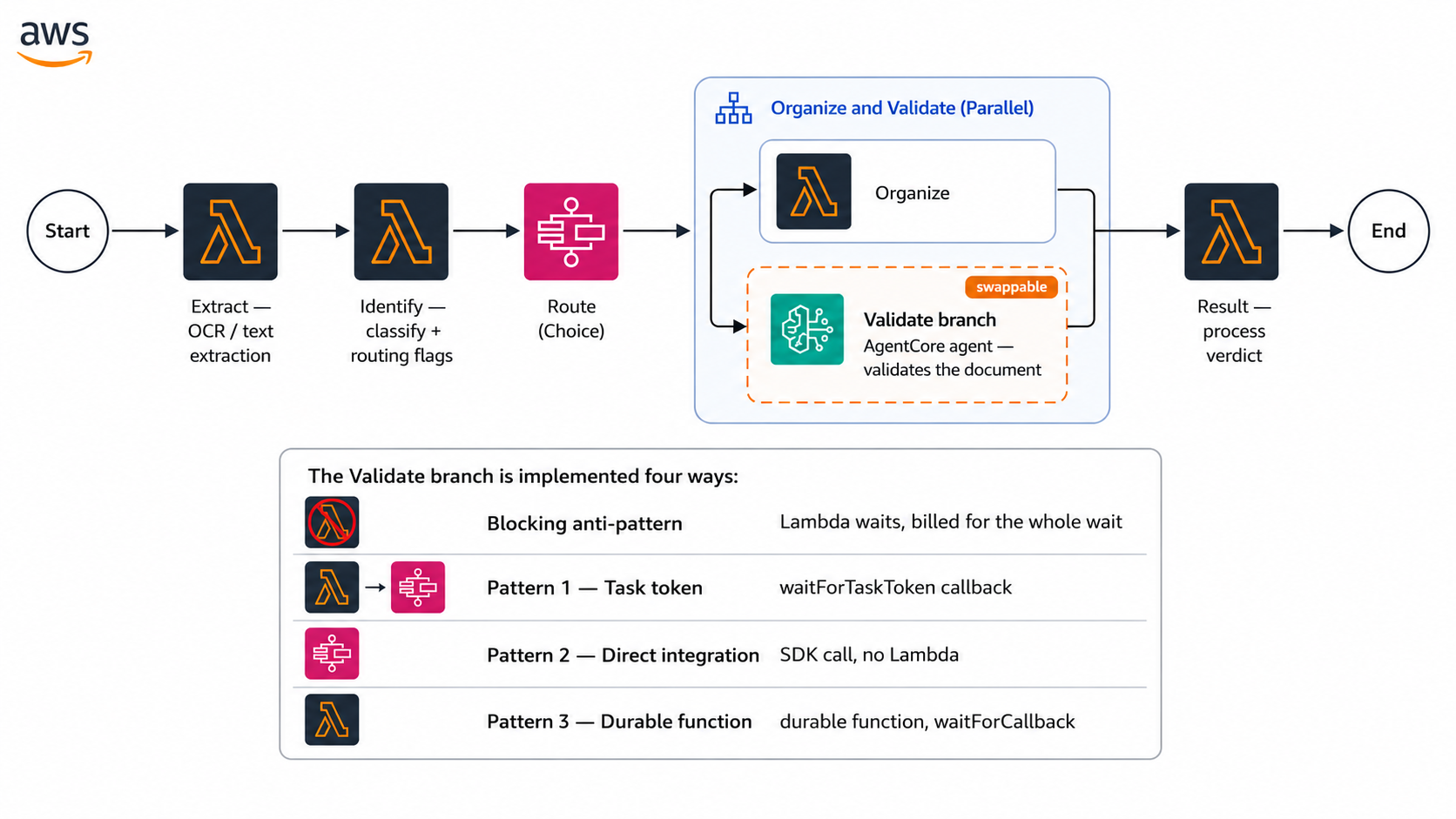
💡Learn three serverless designs that keep agent pipelines running without paying for idle compute.
⚡ 30-Second TL;DR
What Changed
Task-token callbacks let a workflow pause until an agent signals completion.
Why It Matters
Asynchronous orchestration can improve pipeline scalability and reduce costs for workloads with variable or long agent runtimes. It also gives builders clearer architectural options for integrating agents into reliable business processes.
What To Do Next
Prototype the task-token callback pattern in AWS Step Functions for one long-running AgentCore request and measure compute savings and end-to-end latency.
Key Points
- •Task-token callbacks let a workflow pause until an agent signals completion.
- •Direct service integration provides a serverless invocation path between Step Functions and AgentCore.
- •Durable functions support long-running agent work without holding compute resources idle.
- •The patterns are designed for serverless pipelines that need asynchronous agent execution.
🧠 Deep Insight
AI-generated analysis for this event.
🔑 Enhanced Key Takeaways
- •The patterns leverage Amazon Bedrock's 'AgentCore' architecture, which decouples the orchestration layer from the underlying foundation models to optimize latency in multi-step reasoning tasks.
- •These asynchronous patterns specifically address the 'timeout' limitations inherent in standard synchronous API calls when dealing with complex agentic workflows that require multi-turn reasoning.
- •The implementation utilizes EventBridge Pipes to bridge the gap between Bedrock Agent outputs and Step Functions, reducing the need for custom polling logic.
- •Cost optimization is achieved by shifting from provisioned throughput models to on-demand serverless execution, which scales to zero when agents are not actively processing tokens.
- •The durable functions pattern utilizes Amazon S3 for state persistence, allowing workflows to resume seamlessly even if the underlying agent execution environment is recycled.
📊 Competitor Analysis▸ Show
| Feature | AWS Bedrock AgentCore | Google Vertex AI Agents | Azure AI Agent Service |
|---|---|---|---|
| Orchestration | Step Functions (Native) | Vertex AI Pipelines | Azure Logic Apps |
| Async Handling | Task-Token Callbacks | Pub/Sub Integration | Durable Functions |
| Pricing Model | Pay-per-token/invocation | Pay-per-node/hour | Consumption-based |
🛠️ Technical Deep Dive
- Task-token callbacks utilize the .waitForTaskToken service integration pattern, which pauses the Step Functions state machine execution until an external API call returns a success or failure signal.
- Direct service integration bypasses intermediate Lambda functions, reducing execution overhead by mapping Bedrock Agent API responses directly to Step Functions state outputs.
- Durable functions implementation relies on the Step Functions 'Wait for Callback' pattern combined with Amazon SQS to buffer agent responses, ensuring message durability during high-concurrency scenarios.
- The architecture supports integration with Amazon EventBridge to trigger downstream workflows based on specific agent state changes, such as 'AgentActionRequired' or 'AgentExecutionCompleted'.
🔮 Future ImplicationsAI analysis grounded in cited sources
⏳ Timeline
Weekly AI Recap
Read this week's curated digest of top AI events →
👉Related Updates
Same topic
Explore #serverless
Same product
More on Amazon Bedrock
Same source
Latest from AWS Machine Learning Blog
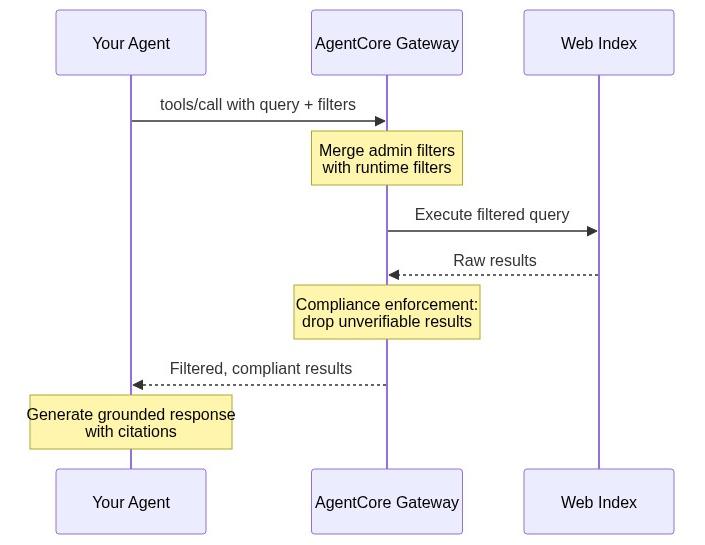
AgentCore Web Search Gains Smarter Source Filters
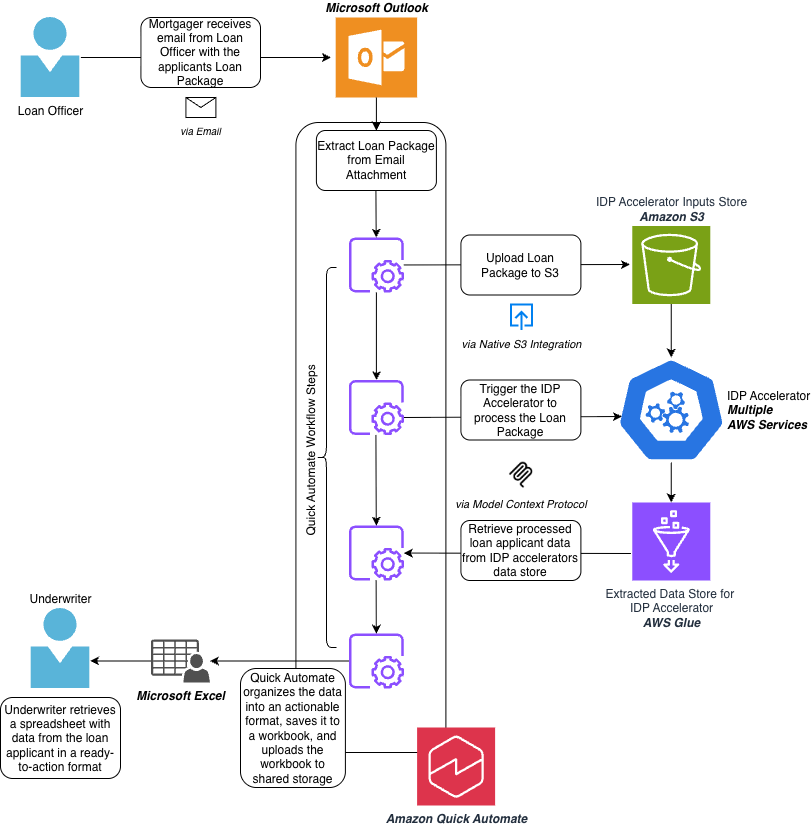
Automate End-to-End Document Intake
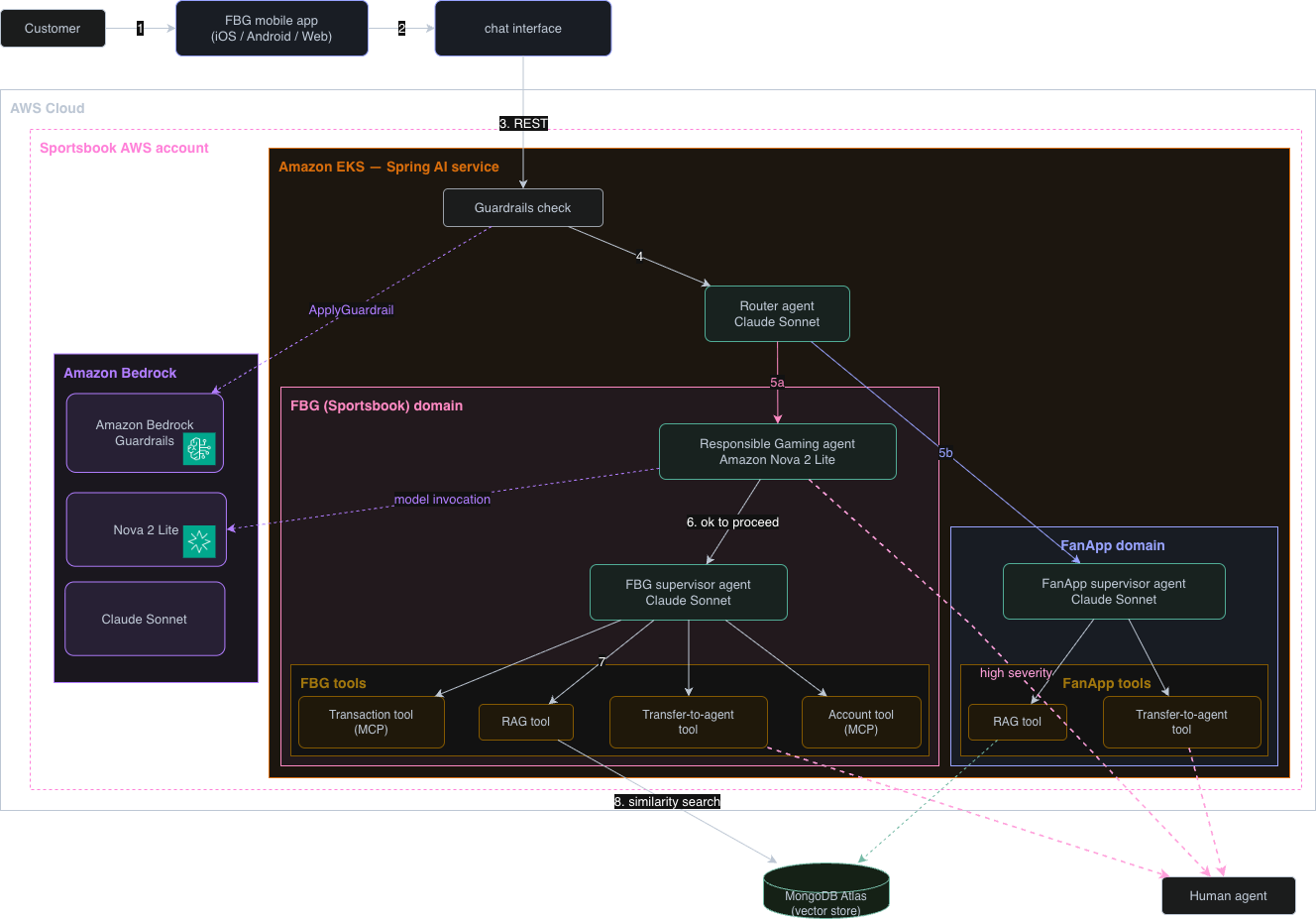
Fanatics Builds Multi-Agent Betting Support
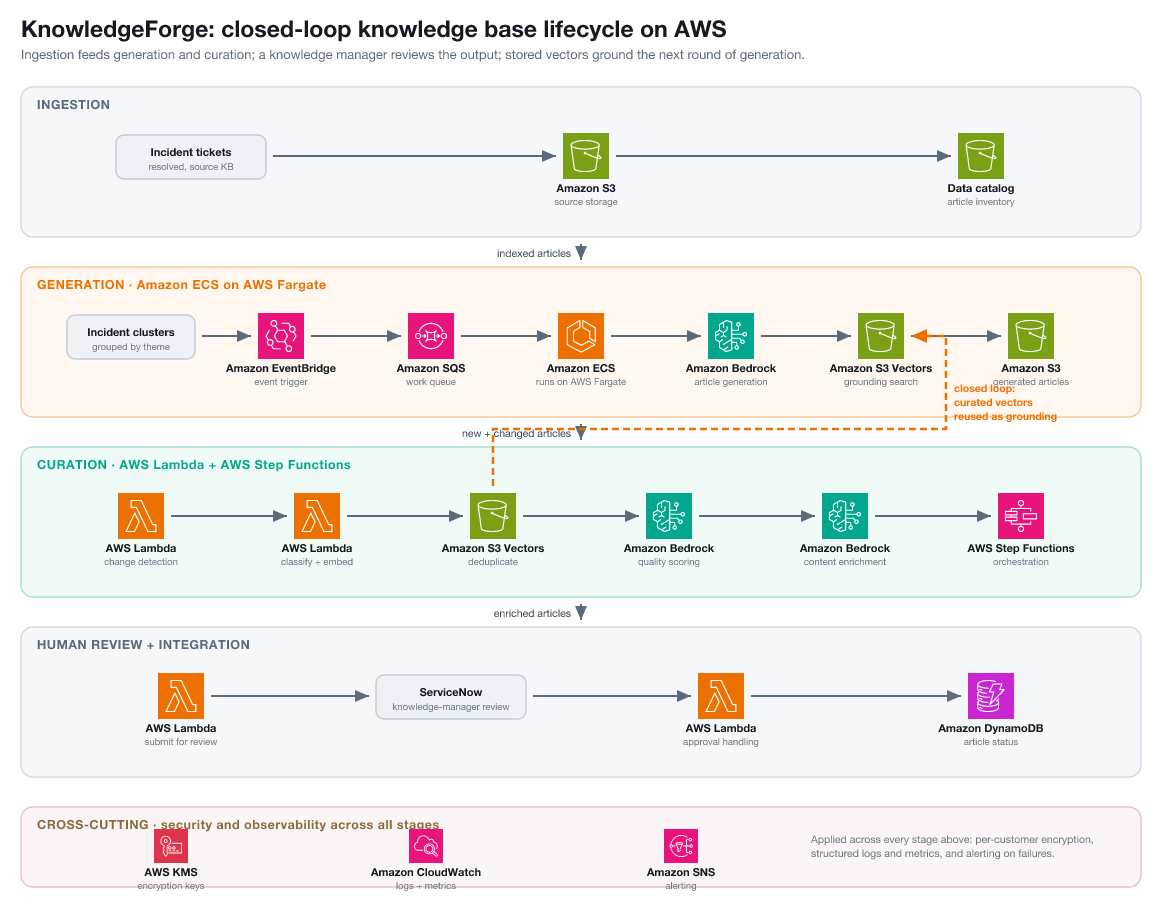
KnowledgeForge Turns ITSM Tickets Into Knowledge
AI-curated news aggregator. All content rights belong to original publishers.
Original source: AWS Machine Learning Blog ↗