Automate End-to-End Document Intake
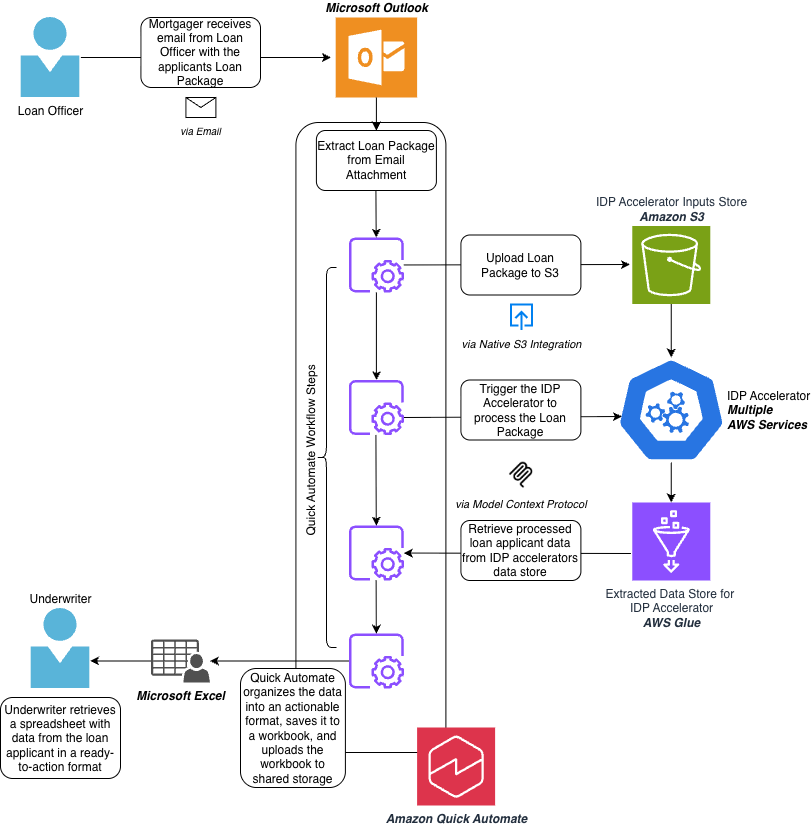
💡See how a mortgage lender connects email intake to validated data with AWS automation tools.
⚡ 30-Second TL;DR
What Changed
The workflow starts with documents received through email.
Why It Matters
Automating the full intake pipeline can reduce manual document handling and improve consistency in regulated workflows. The case study offers enterprises a practical blueprint for applying intelligent document processing to operational workloads.
What To Do Next
Map one of your email-based document workflows and prototype its classification, extraction, and validation stages with the AWS GAIIC IDP Accelerator and Amazon Quick Automate.
Key Points
- •The workflow starts with documents received through email.
- •It automates document classification, information extraction, and validation.
- •The solution targets high-volume industries including banking, insurance, healthcare, and the public sector.
- •A mid-size mortgage lender is used as the implementation example.
🧠 Deep Insight
AI-generated analysis for this event.
🔑 Enhanced Key Takeaways
- •The AWS GAIIC (Generative AI Intelligent Capture) IDP Accelerator leverages Amazon Bedrock to provide pre-built templates for document processing, reducing the time-to-market for custom extraction models.
- •Amazon Quick Automate integrates with AWS Step Functions to orchestrate complex, multi-step workflows, allowing for human-in-the-loop (HITL) intervention when confidence scores fall below a defined threshold.
- •The solution utilizes Amazon Textract's Analyze Lending API, which is specifically optimized for mortgage document types like 1003 forms, pay stubs, and W-2s, rather than generic OCR.
- •Data security and compliance are managed through AWS PrivateLink and KMS encryption, ensuring that sensitive PII (Personally Identifiable Information) remains isolated during the extraction process.
- •The architecture supports asynchronous processing, enabling the system to handle bursty document intake volumes without requiring manual scaling of infrastructure.
📊 Competitor Analysis▸ Show
| Feature | AWS GAIIC IDP Accelerator | Google Cloud Document AI | Microsoft Azure AI Document Intelligence |
|---|---|---|---|
| Core Model | Amazon Bedrock / Textract | Document AI / Gemini | Azure AI Document Intelligence |
| Mortgage Specialization | High (Analyze Lending API) | Medium (Custom Parsers) | High (Prebuilt Mortgage Models) |
| Orchestration | Step Functions | Vertex AI Pipelines | Azure Data Factory / Logic Apps |
| Pricing Model | Consumption-based | Consumption-based | Consumption-based |
🛠️ Technical Deep Dive
- Architecture utilizes an event-driven pattern triggered by Amazon S3 object creation events.
- Document classification is performed by a fine-tuned LLM hosted on Amazon Bedrock to categorize documents before extraction.
- Extraction layer employs Amazon Textract for structured data extraction, with post-processing logic handled by AWS Lambda.
- Validation logic uses Amazon OpenSearch Service to perform cross-document verification (e.g., matching name on ID vs. name on loan application).
- Human-in-the-loop interface is typically implemented via Amazon A2I (Augmented AI) to route low-confidence extractions to human reviewers.
🔮 Future ImplicationsAI analysis grounded in cited sources
⏳ Timeline
Weekly AI Recap
Read this week's curated digest of top AI events →
👉Related Updates
Same topic
Explore #document-processing
Same product
More on aws-gaiic-idp-accelerator-and-amazon-quick-automate
Same source
Latest from AWS Machine Learning Blog
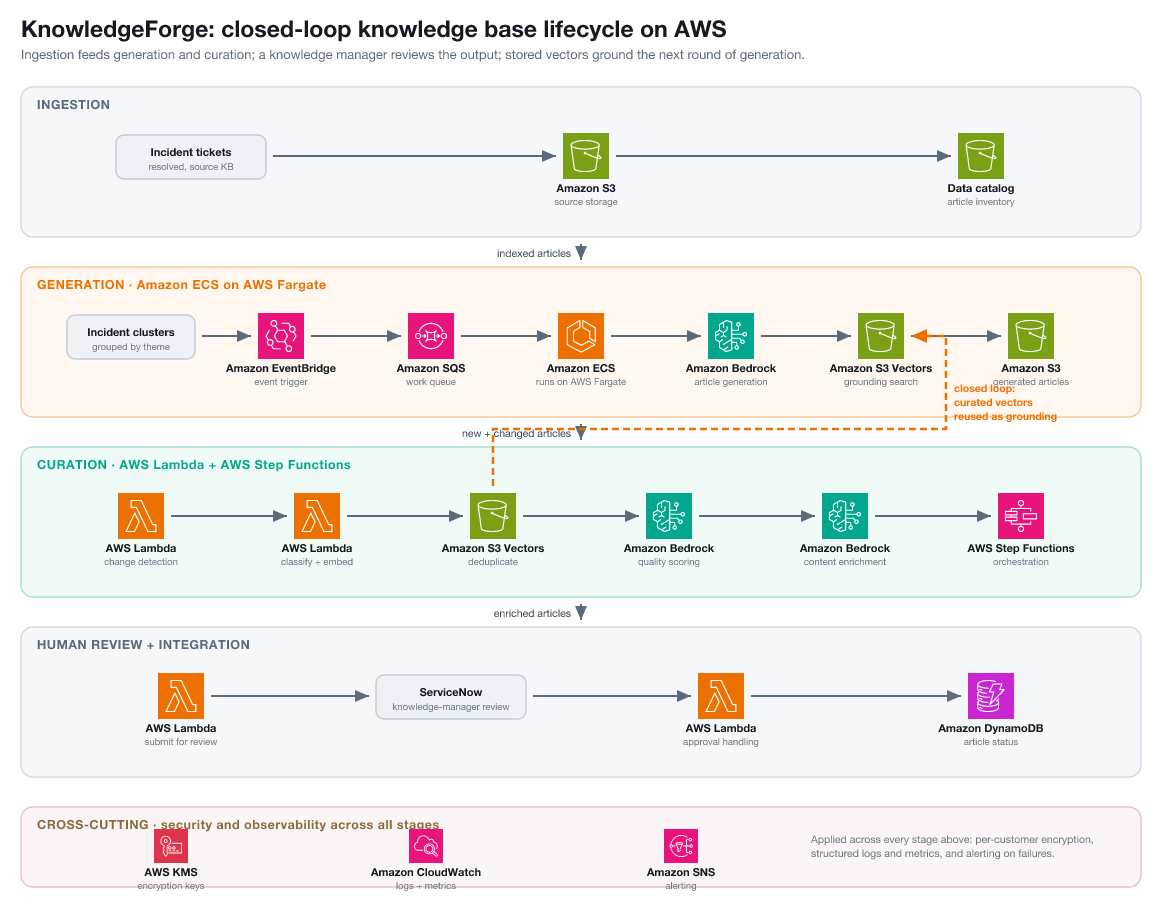
KnowledgeForge Turns ITSM Tickets Into Knowledge
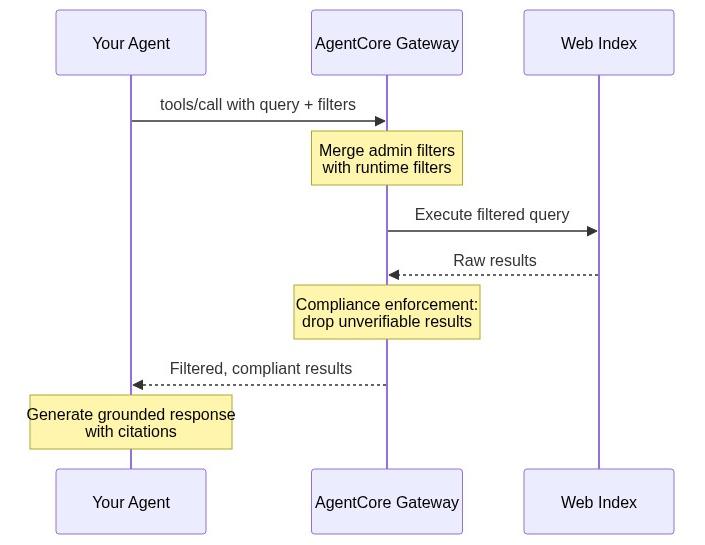
AgentCore Web Search Gains Smarter Source Filters
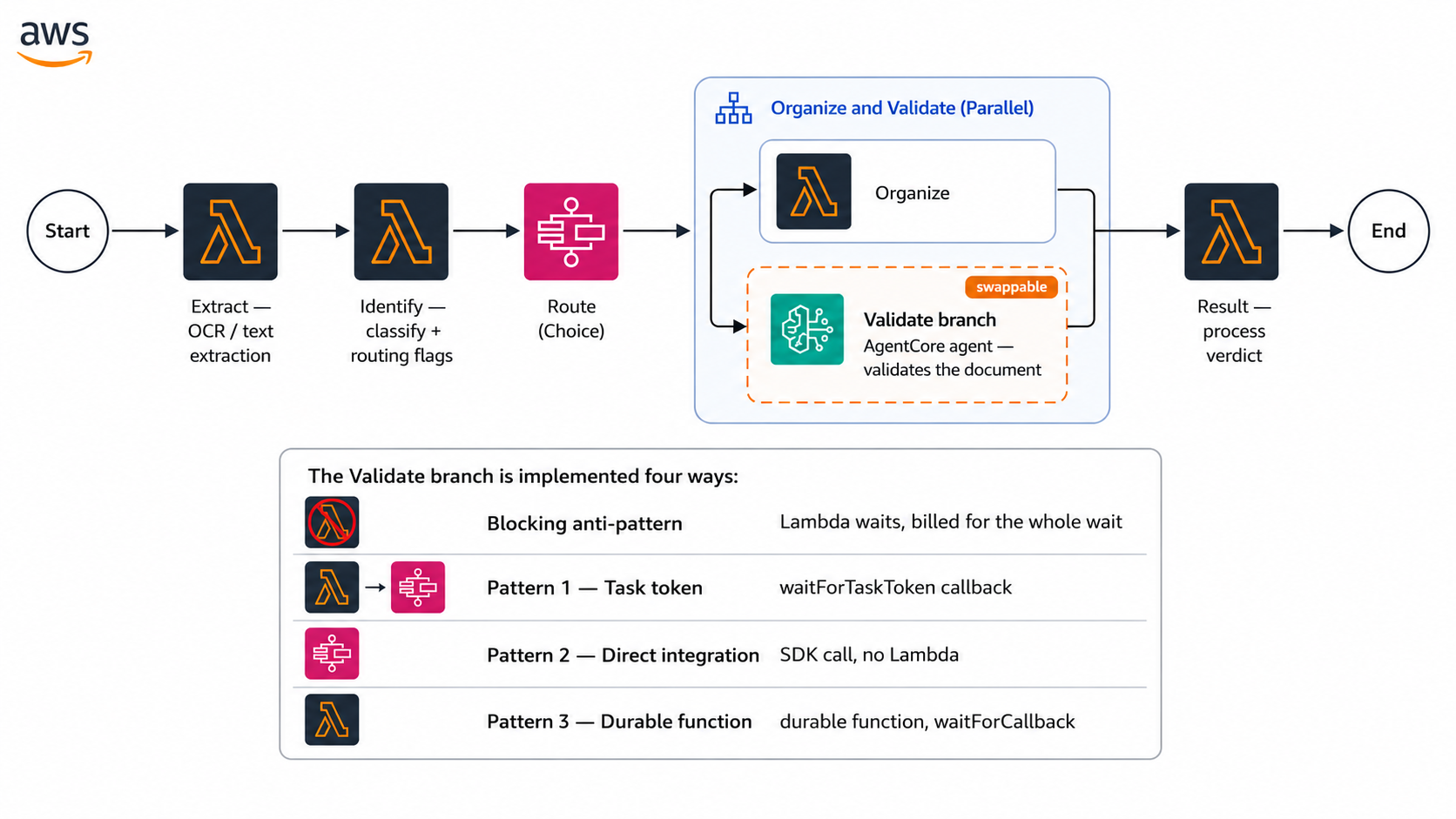
Build Cost-Efficient Async Agent Pipelines
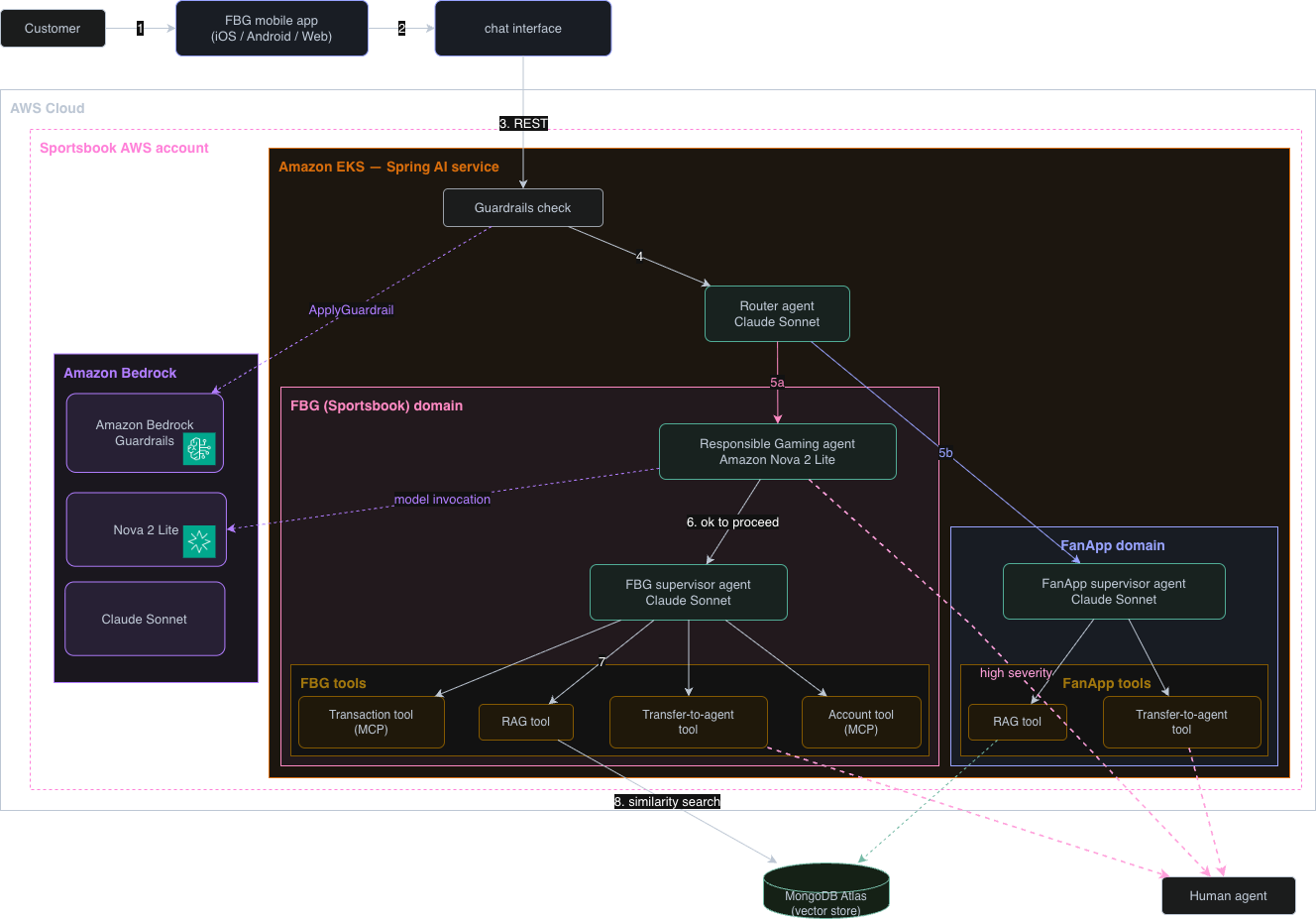
Fanatics Builds Multi-Agent Betting Support
AI-curated news aggregator. All content rights belong to original publishers.
Original source: AWS Machine Learning Blog ↗