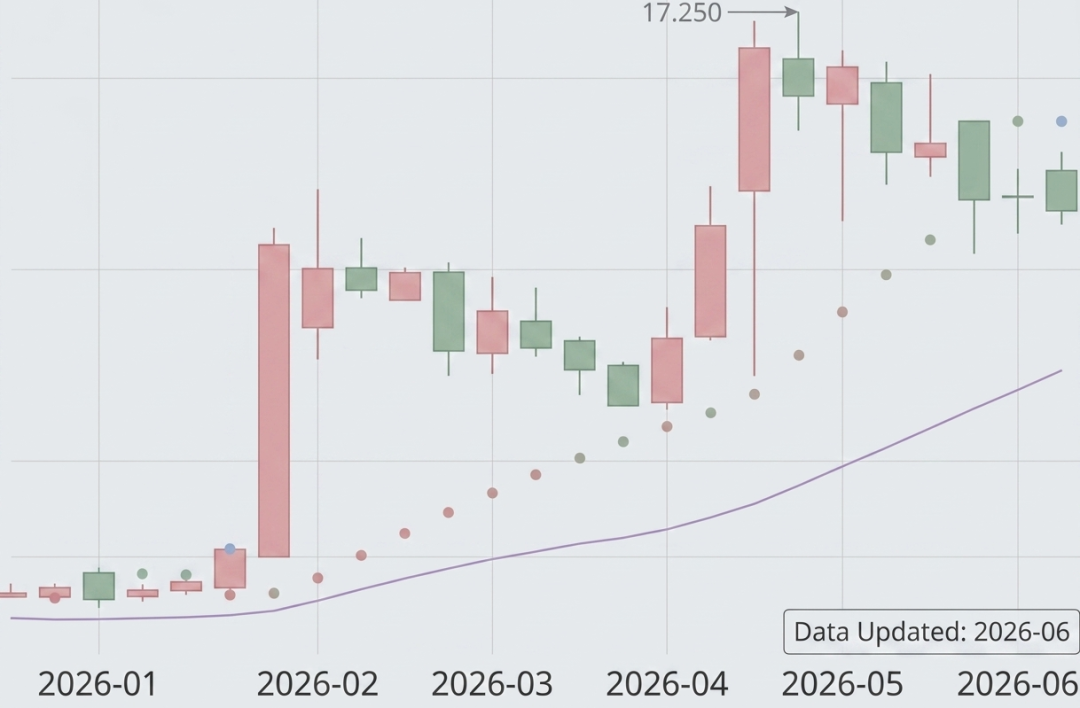
Biotech firm rebounds 1300% after clinical trial failure
💡Understand how biotech firms navigate clinical failures; relevant for AI-driven drug discovery founders.
⚡ 30-Second TL;DR
What Changed
Market cap recovery despite clinical failure
Why It Matters
Highlights the volatility of biotech markets and the necessity for AI-driven drug discovery to improve success rates in clinical trials.
What To Do Next
Explore AI-driven predictive modeling tools for clinical trial outcomes to de-risk biotech investments.
Key Points
- •Market cap recovery despite clinical failure
- •Strategic importance of diversified R&D pipelines
- •Resilience in high-stakes biotech investment
🧠 Deep Insight
Background and context from public sources — not the original article. 4 sources cited.
🔑 Enhanced Key Takeaways
- •The biotech market can exhibit significant volatility, with investor reactions to clinical trial outcomes often being nuanced; strong efficacy can be overshadowed by safety concerns, leading to initial stock plunges, which may then see partial rebounds based on underlying drug potential or other pipeline assets. [4, 6, 7, 9]
- •Strategic diversification of R&D pipelines and the ability to out-license deprioritized assets are critical for biotech firms to mitigate the high financial risks associated with clinical trial failures and to maintain long-term resilience. [2, 3]
- •The increasing cost and complexity of drug development, coupled with the looming 'patent cliff' for many blockbuster drugs, are driving a shift in pharmaceutical R&D towards more specialized areas and a greater reliance on external innovation through M&A or licensing deals. [2, 3, 8]
🔮 Future ImplicationsAI analysis grounded in cited sources
📎 Sources (4)
Factual claims are grounded in the sources below. Forward-looking analysis is AI-generated interpretation.
Weekly AI Recap
Read this week's curated digest of top AI events →
👉Related Updates



AI-curated news aggregator. All content rights belong to original publishers.
Original source: 钛媒体 ↗
This is a summary, not the original. Read the source, or get the weekly briefing.
The weekly digest
One email a week. Unsubscribe anytime.