Big Tech's growing influence in the fashion industry
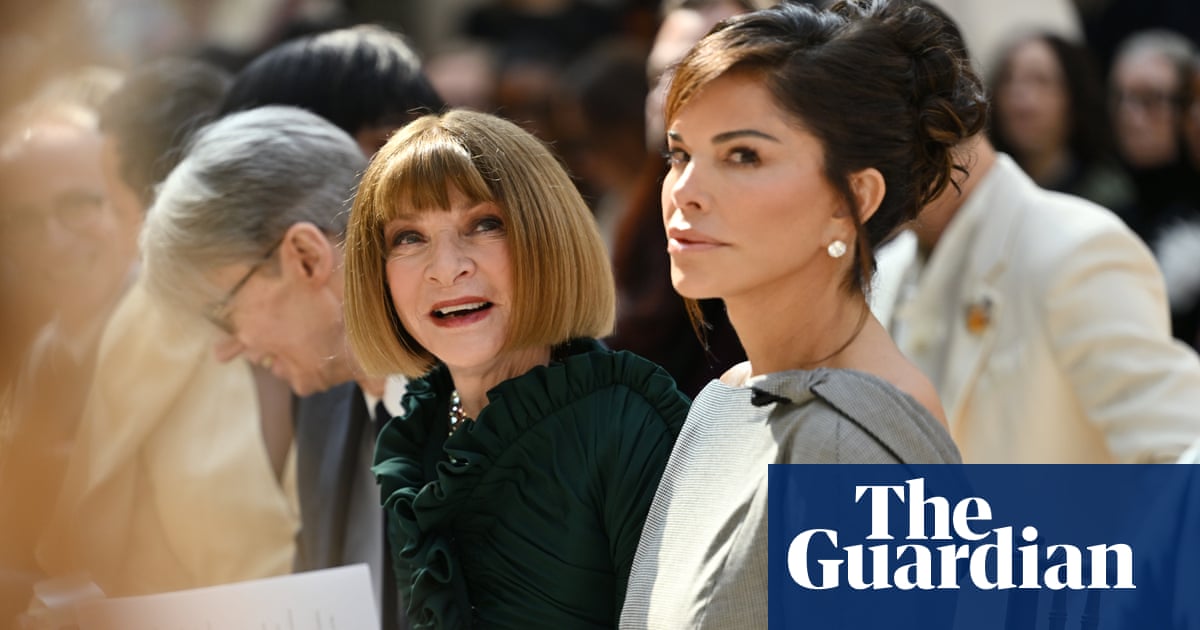
💡Understand the growing cultural friction between Big Tech influence and public perception in non-tech industries.
⚡ 30-Second TL;DR
What Changed
Jeff Bezos and Lauren Sánchez Bezos served as honorary co-chairs for the Met Gala.
Why It Matters
This highlights the reputational risks for Big Tech companies as they expand their influence into cultural and artistic sectors. Practitioners should note how public perception of corporate leadership can impact brand associations in non-tech spaces.
What To Do Next
Monitor how your company's public-facing partnerships align with your brand values to avoid potential backlash in sensitive cultural markets.
Key Points
- •Jeff Bezos and Lauren Sánchez Bezos served as honorary co-chairs for the Met Gala.
- •Public protests emerged due to Amazon's involvement and concerns over wealth inequality.
- •The fashion industry is experiencing friction regarding the integration of Big Tech patronage.
🧠 Deep Insight
Web-grounded analysis with 28 cited sources.
🔑 Enhanced Key Takeaways
- •The 2026 Met Gala, themed "Costume Art" with a "Fashion Is Art" dress code, featured Jeff Bezos and Lauren Sánchez Bezos as honorary co-chairs, who also contributed a reported $10 million in sponsorship.
- •Public protests at the 2026 Met Gala specifically targeted Bezos's involvement, highlighting wealth inequality and Amazon's labor practices, with activists holding "TAX THE RICH" signs and organizing a "Resistance Red Carpet" and a "Ball Without Billionaires" event.
- •Beyond Amazon, other major tech companies like Apple, TikTok, Meta, OpenAI, Google, and Snapchat have increasingly sponsored the Met Gala or had their executives attend, signaling a broader trend of Silicon Valley's growing influence and financial backing in high fashion.
- •Amazon has been actively expanding its presence in the luxury fashion market since 2020 with "Luxury Stores," an invite-only platform for Prime members, and has recently partnered with Saks Fifth Avenue, leveraging its logistics and data capabilities to attract high-end brands.
- •The increasing presence of tech billionaires at events like the Met Gala is seen by some as an attempt to gain cultural cachet and "launder their image," while critics argue it underscores a "new gilded age" where extreme wealth intersects with cultural institutions.
🛠️ Technical Deep Dive
- AI in fashion supply chain: Utilized for demand forecasting, inventory management, production planning, route optimization, and reducing overstocking by analyzing social media, search queries, and purchase histories.
- AI in customer experience: Enables personalized product recommendations, trend identification, AI-powered chatbots for real-time assistance, and interactive shopping tools like "View in 360" (an AR feature for visualizing garments).
- Data-driven decision making: E-commerce platforms capture extensive consumer data on purchasing habits and preferences, which AI then processes to inform trend forecasting, inventory planning, and targeted marketing campaigns.
- Generative AI: Applied to augment purchase order creation processes and enhance supplier negotiations through AI-based cost models.
🔮 Future ImplicationsAI analysis grounded in cited sources
⏳ Timeline
📎 Sources (28)
Factual claims are grounded in the sources below. Forward-looking analysis is AI-generated interpretation.
- ciobulletin.com
- wikipedia.org
- indiatimes.com
- youtube.com
- reddit.com
- youtube.com
- gcn.ie
- youtube.com
- citizen.digital
- observer.com
- businessinsider.com
- esquire.com
- womensagenda.com.au
- wmagazine.com
- feedvisor.com
- brandingstrategyinsider.com
- pirscapital.com
- aboutamazon.eu
- townandcountrymag.com
- motherjones.com
- goodonyou.eco
- apparelmagic.com
- fortude.co
- browzwear.com
- emerald.com
- bluecherry.com
- ijarsct.co.in
- neoberx.com
Weekly AI Recap
Read this week's curated digest of top AI events →
👉Related Updates

AI-curated news aggregator. All content rights belong to original publishers.
Original source: The Guardian Technology ↗