AI-generated doctors spreading medical misinformation on TikTok
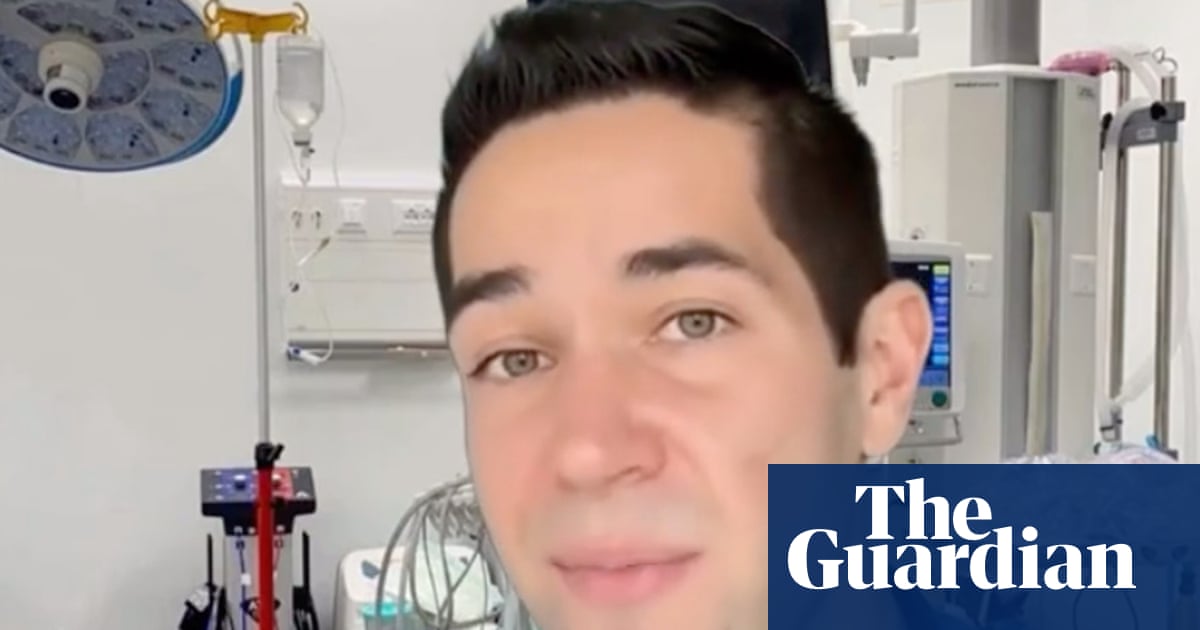
Understand the growing risks of AI-driven misinformation and the urgent need for synthetic content detection.
30-Second TL;DR
What Changed
AI-generated accounts are successfully mimicking medical professionals to gain traction.
Why It Matters
The proliferation of AI-generated medical misinformation undermines public trust in digital health information. It necessitates better detection tools for social media platforms to identify and flag synthetic health content.
What To Do Next
Implement robust watermarking and provenance metadata for any AI-generated health-related content you develop to ensure transparency.
Key Points
- •AI-generated accounts are successfully mimicking medical professionals to gain traction.
- •Content includes dangerous medical myths and unverified 'miracle cures'.
- •Public safety experts are calling for stricter oversight of AI-generated health content.
Deep Insight
AI-generated analysis for this event — not the original article.
Enhanced Key Takeaways
- •Generative AI tools are being used to create 'deepfake' medical influencers that utilize cloned voices and hyper-realistic avatars to bypass platform detection algorithms.
- •The British Medical Association (BMA) has specifically identified that these AI accounts often target vulnerable demographics by exploiting algorithmic echo chambers to amplify health anxiety.
- •TikTok's current content moderation policies are struggling to distinguish between AI-generated health advice and legitimate medical content, leading to a surge in 'shadow-banned' but viral misinformation.
- •Cybersecurity researchers have linked the rise of these accounts to coordinated disinformation campaigns designed to sell unregulated supplements or drive traffic to fraudulent telehealth websites.
- •Regulatory bodies in the UK and EU are currently debating new 'AI Watermarking' mandates that would require all AI-generated health content to carry a persistent digital label.
Technical Deep Dive
- AI avatars are typically generated using platforms like HeyGen or Synthesia, which allow for high-fidelity lip-syncing and facial animation from text inputs.
- Voice cloning is achieved through models like ElevenLabs, which require minimal audio samples to replicate the tone and cadence of a professional medical practitioner.
- Content distribution utilizes automated bot networks that employ 'engagement farming' techniques, such as rapid-fire commenting and cross-platform sharing, to trick recommendation engines into boosting the content.
- Detection evasion involves injecting subtle noise into video files to bypass standard AI-detection classifiers used by social media platforms.
Future ImplicationsAI analysis grounded in cited sources
Timeline
- 2024-03Initial reports emerge of AI-generated 'health gurus' appearing on TikTok.
- 2025-01BMA issues first formal warning regarding the rise of AI-driven medical misinformation.
- 2025-11TikTok updates community guidelines to require disclosure of AI-generated content.
- 2026-05UK Parliament holds hearings on the impact of deepfake medical advice on public health.
Weekly AI Recap
Read this week's curated digest of top AI events →
AI-curated news aggregator. All content rights belong to original publishers.
Original source: The Guardian Technology ↗
This is a summary, not the original. Read the source, or get the weekly briefing.
The weekly digest
One email a week. Unsubscribe anytime.