Bezos vs China Shackleton Crater Race
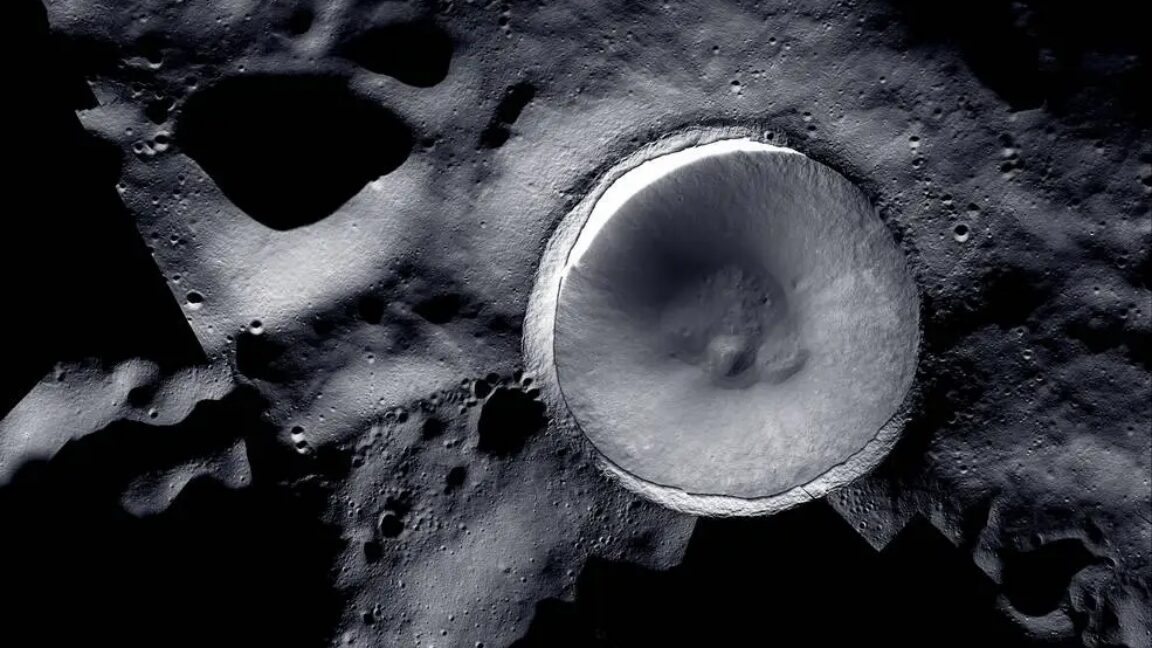
Lunar lander AI autonomy advances robotics for extreme environments
30-Second TL;DR
What Changed
Jeff Bezos-backed US mission races China to Shackleton Crater.
Why It Matters
This competition accelerates lunar robotics development, pushing AI for navigation in extreme conditions. Insights could transfer to terrestrial embodied AI systems.
What To Do Next
Test AI pathfinding in Gazebo simulator using NASA's lunar rover datasets.
Key Points
- •Jeff Bezos-backed US mission races China to Shackleton Crater.
- •Landers from both nations may operate near each other on Moon later this year.
- •Shackleton Crater is prime lunar south pole site for potential water ice.
Deep Insight
AI-generated analysis for this event — not the original article.
Enhanced Key Takeaways
- •The competition centers on the Artemis program's reliance on Blue Origin's Blue Moon lander, specifically the Blue Moon Mark 1 and Mark 2 variants, which are designed to support both cargo and crewed lunar surface operations.
- •China's lunar strategy involves the Chang'e program, with the Chang'e 7 mission specifically targeting the Shackleton Crater region to conduct comprehensive surveys of water ice and volatile distribution.
- •The proximity of these missions has prompted discussions within the Artemis Accords framework regarding 'safety zones' and the prevention of harmful interference between international lunar surface operations.
Competitor Analysis
- Blue Origin (Blue Moon)
- Artemis Program Support
- China (Chang'e Program)
- Independent Lunar Infrastructure
- Blue Origin (Blue Moon)
- Reusable/Expendable Variants
- China (Chang'e Program)
- Robotic Landers/Rovers
- Blue Origin (Blue Moon)
- Private/NASA Contracts
- China (Chang'e Program)
- State-Funded
- Blue Origin (Blue Moon)
- Development/Testing
- China (Chang'e Program)
- Operational/Proven
| Feature | Blue Origin (Blue Moon) | China (Chang'e Program) |
|---|---|---|
| Primary Goal | Artemis Program Support | Independent Lunar Infrastructure |
| Lander Type | Reusable/Expendable Variants | Robotic Landers/Rovers |
| Funding Source | Private/NASA Contracts | State-Funded |
| Current Status | Development/Testing | Operational/Proven |
Technical Deep Dive
- •Blue Moon Mark 1: Designed for uncrewed cargo delivery, capable of landing several metric tons of payload on the lunar surface.
- •Blue Moon Mark 2: Human-rated lander variant intended for the Artemis V mission, utilizing liquid oxygen and liquid hydrogen (LOX/LH2) propulsion.
- •Chang'e 7 Payload: Includes a lander, a rover, and a 'hopping' detector designed to enter shadowed regions of the crater to analyze ice composition directly.
- •Navigation: Both systems utilize advanced terrain-relative navigation (TRN) to achieve high-precision landing accuracy within the challenging, high-relief terrain of the lunar south pole.
Future ImplicationsAI analysis grounded in cited sources
Timeline
- 2019-05Jeff Bezos unveils the Blue Moon lunar lander concept.
- 2021-06Blue Origin loses the initial HLS contract to SpaceX but continues independent development.
- 2023-05NASA selects Blue Origin to develop the Blue Moon lander for the Artemis V mission.
- 2024-12Blue Origin completes successful engine testing for the BE-7 lunar descent engine.
Weekly AI Recap
Read this week's curated digest of top AI events →
AI-curated news aggregator. All content rights belong to original publishers.
Original source: Ars Technica ↗
This is a summary, not the original. Read the source, or get the weekly briefing.
The weekly digest
One email a week. Unsubscribe anytime.