AWS Tightens EC2 Usage Amid CPU Crunch
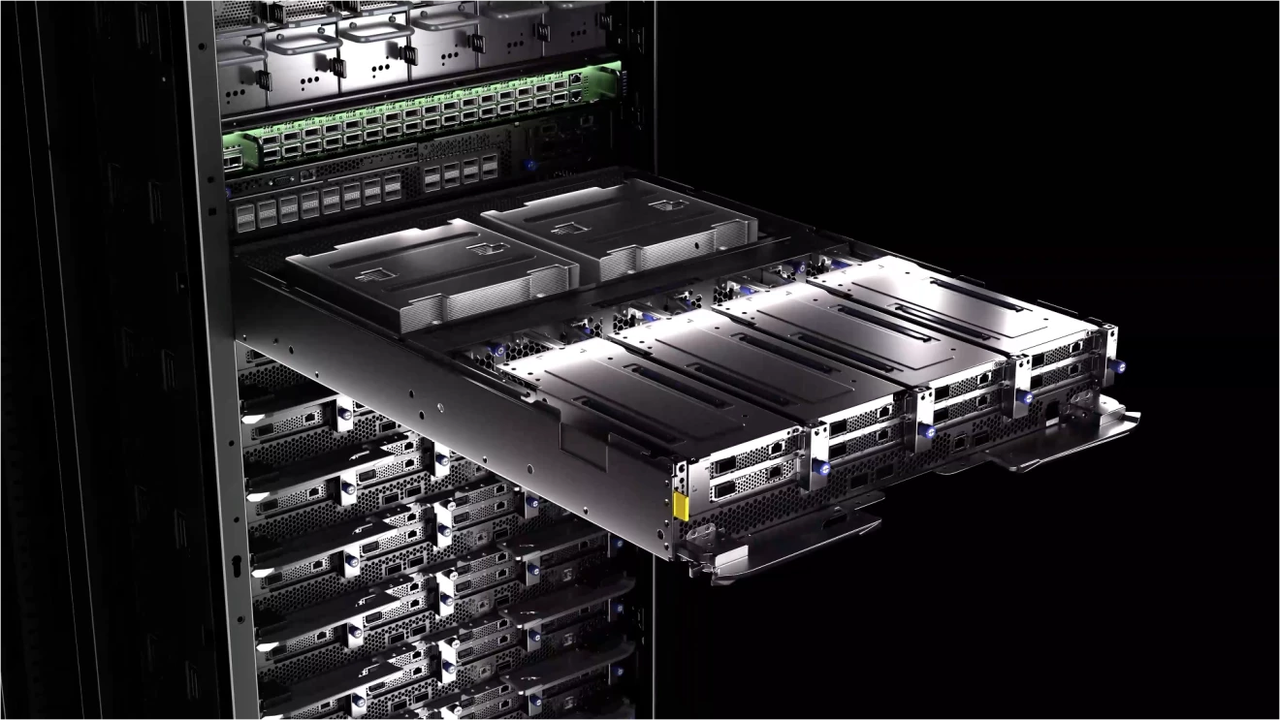
CPU scarcity is reaching cloud developers as agentic AI workloads compete for AWS EC2 capacity.
30-Second TL;DR
What Changed
AWS is urging internal engineers to cut down on EC2 resource waste.
Why It Matters
AI startups and development teams may face tighter access to CPU-based cloud capacity, especially for agent orchestration, data processing, and inference support services. This could increase the importance of workload efficiency, instance right-sizing, and multi-cloud capacity planning.
What To Do Next
Audit your EC2 fleet with AWS Cost Explorer and CloudWatch, then stop or right-size instances running at consistently low CPU utilization.
Key Points
- •AWS is urging internal engineers to cut down on EC2 resource waste.
- •External customer demand is straining AWS CPU capacity.
- •Agentic AI workloads are increasing competition for compute resources.
- •Low-utilization EC2 instances are becoming valuable amid the capacity crunch.
Deep Insight
AI-generated analysis for this event — not the original article.
Enhanced Key Takeaways
- •AWS has implemented stricter 'instance right-sizing' policies for internal development teams, requiring mandatory justification for any EC2 instance running at less than 15% CPU utilization.
- •The surge in agentic AI demand is specifically driving a shortage of high-memory, compute-optimized instances (such as the R7g and C7g families) which are critical for long-context reasoning tasks.
- •Internal AWS memos indicate that the company is prioritizing 'revenue-generating' external customer workloads over internal R&D and testing environments to maintain Service Level Agreements (SLAs).
- •To mitigate the crunch, AWS is accelerating the deployment of its custom Graviton4 processors to replace older x86-based instances, aiming to improve performance-per-watt and density.
- •The capacity strain has led to a temporary suspension of certain 'Free Tier' EC2 trial offerings in specific high-demand regions to preserve inventory for enterprise clients.
Competitor Analysis
- AWS (EC2)
- Custom Silicon (Trainium/Inferentia)
- Microsoft Azure
- NVIDIA H100/B200 Partnership
- Google Cloud (GCP)
- TPU v5p/v6 Pods
- AWS (EC2)
- Internal resource rationing
- Microsoft Azure
- Dynamic quota management
- Google Cloud (GCP)
- Reserved capacity priority
- AWS (EC2)
- High (Graviton focus)
- Microsoft Azure
- Moderate (General purpose)
- Google Cloud (GCP)
- High (TPU-optimized)
| Feature | AWS (EC2) | Microsoft Azure | Google Cloud (GCP) |
|---|---|---|---|
| Primary AI Focus | Custom Silicon (Trainium/Inferentia) | NVIDIA H100/B200 Partnership | TPU v5p/v6 Pods |
| Capacity Strategy | Internal resource rationing | Dynamic quota management | Reserved capacity priority |
| Compute Density | High (Graviton focus) | Moderate (General purpose) | High (TPU-optimized) |
Technical Deep Dive
- Agentic AI workloads utilize multi-step reasoning chains that require persistent, low-latency access to high-memory instances, unlike traditional batch inference.
- The CPU crunch is exacerbated by the 'noisy neighbor' effect in multi-tenant environments, where agentic loops create unpredictable, bursty CPU spikes.
- AWS is utilizing predictive auto-scaling algorithms to reclaim idle capacity from internal dev-test clusters in real-time to reallocate to external customer pools.
- The shift toward Graviton4 (ARM-based) architecture is a strategic move to decouple from x86 supply chain constraints and improve thermal efficiency in dense data center racks.
Future ImplicationsAI analysis grounded in cited sources
Timeline
- 2021-12AWS launches Graviton3 processors to improve compute efficiency.
- 2023-11AWS announces Trainium2 and Graviton4 to address AI compute demand.
- 2024-05AWS reports record capital expenditure focused on AI infrastructure expansion.
- 2025-09AWS begins internal pilot of AI-driven resource optimization tools.
- 2026-06Agentic AI workload volume surpasses traditional batch inference on AWS.
Event Coverage
Weekly AI Recap
Read this week's curated digest of top AI events →
AI-curated news aggregator. All content rights belong to original publishers.
Original source: Tom's Hardware ↗
This is a summary, not the original. Read the source, or get the weekly briefing.
The weekly digest
One email a week. Unsubscribe anytime.