Autonomous systems are reshaping modern warehouse operations
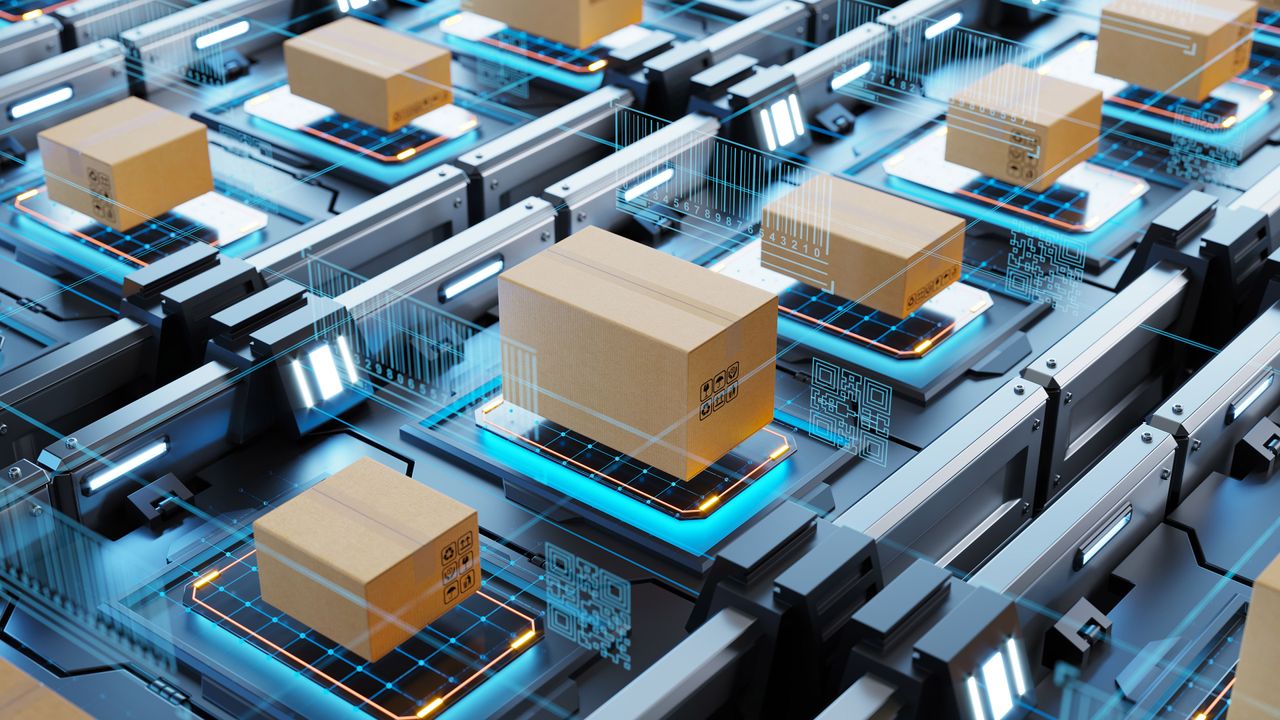
Understand how embodied AI and autonomous navigation are shifting the economics of global supply chain logistics.
30-Second TL;DR
What Changed
Integration of AI-driven pathfinding for warehouse robots
Why It Matters
The shift toward autonomous warehouses significantly lowers operational overhead while increasing throughput. Practitioners should prepare for a transition from manual oversight to managing AI-orchestrated robotic fleets.
What To Do Next
Evaluate your current warehouse automation stack against ROS 2-based navigation frameworks to identify potential integration gaps.
Key Points
- •Integration of AI-driven pathfinding for warehouse robots
- •Reduction in human intervention for inventory management tasks
- •Scalability improvements through autonomous fleet coordination
Deep Insight
AI-generated analysis for this event — not the original article.
Enhanced Key Takeaways
- •Implementation of 'Goods-to-Person' (G2P) systems has reduced worker travel time by up to 70% in high-density fulfillment centers.
- •Digital Twin technology is now being used to simulate warehouse layouts and robot traffic patterns before physical deployment to optimize throughput.
- •The adoption of 5G private networks is enabling ultra-low latency communication, allowing for real-time swarm intelligence among heterogeneous robot fleets.
- •Computer vision advancements now allow autonomous mobile robots (AMRs) to perform automated quality control and damage detection during the picking process.
- •Energy-aware path planning algorithms are being integrated to extend battery life and reduce charging downtime for 24/7 warehouse operations.
Competitor Analysis
- Amazon Robotics (Proteus)
- Fully Autonomous/SLAM
- Locus Robotics
- Collaborative/SLAM
- Fetch Robotics (Zebra)
- Autonomous/SLAM
- Amazon Robotics (Proteus)
- Proprietary Ecosystem
- Locus Robotics
- Agnostic/Flexible
- Fetch Robotics (Zebra)
- Enterprise/Zebra Suite
- Amazon Robotics (Proteus)
- Large-scale Fulfillment
- Locus Robotics
- Retail/E-commerce
- Fetch Robotics (Zebra)
- Industrial/Logistics
| Feature | Amazon Robotics (Proteus) | Locus Robotics | Fetch Robotics (Zebra) |
|---|---|---|---|
| Navigation | Fully Autonomous/SLAM | Collaborative/SLAM | Autonomous/SLAM |
| Integration | Proprietary Ecosystem | Agnostic/Flexible | Enterprise/Zebra Suite |
| Primary Use | Large-scale Fulfillment | Retail/E-commerce | Industrial/Logistics |
Technical Deep Dive
- Utilization of Simultaneous Localization and Mapping (SLAM) algorithms for dynamic environment navigation without the need for magnetic tape or QR code markers.
- Deployment of Transformer-based architectures for predictive maintenance, analyzing sensor telemetry to forecast component failure before it occurs.
- Integration of ROS 2 (Robot Operating System) middleware to facilitate interoperability between different hardware vendors and fleet management software.
- Implementation of edge computing nodes on robots to process visual data locally, reducing the bandwidth load on central warehouse servers.
Future ImplicationsAI analysis grounded in cited sources
Timeline
- 2012-03Amazon acquires Kiva Systems, marking the beginning of modern warehouse robotics acceleration.
- 2019-09Introduction of the VDA 5050 standard to enable communication between AGVs and fleet management systems.
- 2022-06Amazon unveils Proteus, its first fully autonomous mobile robot capable of operating safely around humans.
- 2024-11Widespread adoption of generative AI models for optimizing warehouse slotting and inventory placement strategies.
- 2026-02Integration of foundation models for robotics, allowing AMRs to understand natural language instructions for complex warehouse tasks.
Weekly AI Recap
Read this week's curated digest of top AI events →
Related Updates

AI-curated news aggregator. All content rights belong to original publishers.
Original source: TechRadar AI ↗
This is a summary, not the original. Read the source, or get the weekly briefing.
The weekly digest
One email a week. Unsubscribe anytime.